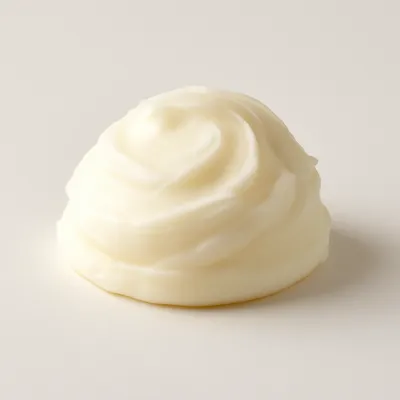
Yunnan's golden street breakfast — dried white split peas soaked overnight, skinned, wet-ground into a pale slurry, then slow-stirred over low heat until thick and velvet-smooth. Ladled hot into bowls and crowned with chili oil, soy sauce, ginger water, fermented tofu brine, and coriander. Served plain or poured over rice noodles, oil fritters, or griddled rice cakes.
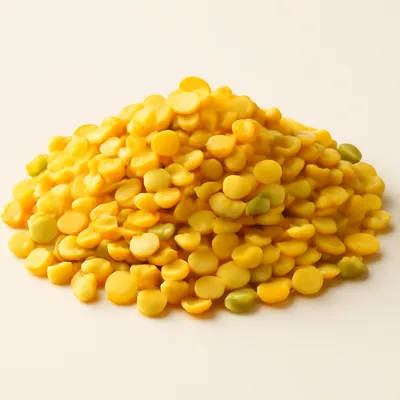




White split-pea porridge is made across Southwest China, but Yunnan's version developed its own identity around Kunming. Local accounts suggest Han migrants from central China introduced pea-grinding techniques to Yunnan during the Hongwu resettlement of the early Ming dynasty (from 1368 onward), with the dish gradually evolving into a staple street breakfast in the Dianchi basin. The finest version is said to come from Chengong's Qidian township (呈贡七甸乡), where local red-clay soil produces a white-skin pea of exceptional starch fineness. In 2010, the craft of making Chengong 豌豆粉 was inscribed in Kunming's third-batch municipal intangible cultural heritage list.
Thick yet somehow light, the porridge coats the tongue like warm velvet. The pea's natural sweetness is gentle and green-meadow fresh — a quiet canvas. The real drama lives in the condiments: chili oil's slow burn, the funky depth of fermented tofu brine, the sharp clean thrust of raw ginger, all layered over the quiet golden base. Torn-in oil fritters soften and drink up the porridge, becoming something better than either alone.
White peas contain 20–25% starch and 22–25% protein. When wet-ground and heated, amylose and amylopectin in the pea starch gelatinize between 60–70°C, forming a pourable viscous gel. Continuous stirring in one direction during cooking prevents starch granule aggregation and ensures even hydration. The characteristic pale-yellow colour arises from kaempferol glycosides and other flavonoid pigments naturally present in white pea seed coats. Removing the seed coat before grinding eliminates the slightly bitter taste of tannins, leaving the clean, mildly sweet flavour that defines 稀豆粉.
Variations
A thicker, fully set version — 豌豆粉 — is poured into trays and cooled until firm enough to slice; dressed with vinegar, chili oil, and sesame oil, it becomes a cold appetiser. Further chilled and cut very thin, it is sold in summer as 冻豌豆粉. 稀豆粉 is also served as the warm pouring base for blanched rice noodles (米线), baked rice cakes (烧饵块), or with oil fritters (油条) torn directly into the bowl.
On the Palate
Where Yunnan Yellow Pea Porridge sits in the Chinese flavor cloud
Ingredients
Serves 4
How it's made
7 steps · 15 min
- 110 min
Soak dried white split peas in cold water for 6–8 hours or overnight until swollen and the skins loosen; rub to remove skins, rinsing until the water runs clear.
- 210 min
Grind the soaked peas with fresh water in a blender until very smooth; strain through a fine cheesecloth or mesh, pressing firmly to extract all starch and discard the fibrous solids.
- 35 min
In a wide heavy-bottomed pot, heat water to about 60°C (not boiling); slowly pour in the pale-yellow pea slurry while stirring constantly in one direction.
Watch outHeat the water to about 60 degrees, not boiling, before adding the pea slurry — poured into boiling water it seizes into lumps.
- 425 min
Over low-medium heat, continue stirring steadily for 20–25 minutes, keeping the mixture just below a boil, until it thickens to a pourable porridge consistency that coats the back of a spoon.
Watch outStir constantly in one direction just below a boil twenty minutes until it coats the spoon — this keeps it smooth and lump-free.
- 53 min
Season with salt and stir in a small spoonful of lard or neutral oil for richness; remove from heat.
- 63 min
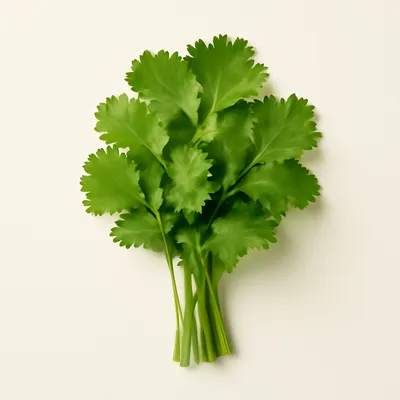
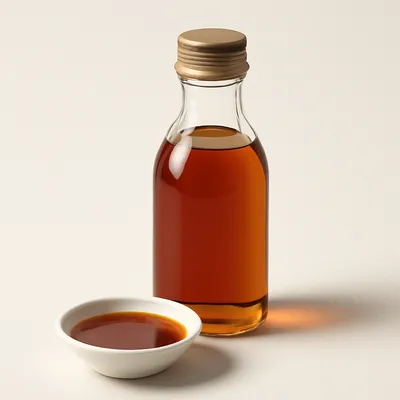
Prepare the dressing: mix fresh ginger juice with a little water, set out chili oil, soy sauce, fermented tofu brine (腐乳水), and fresh coriander.
- 72 min
Ladle the hot porridge into bowls, add condiments according to taste, and serve immediately; stir before eating.
Archive tool suggestions — not reviewed
These legacy suggestions have not been evidence-reviewed and are not presented as required tools.


