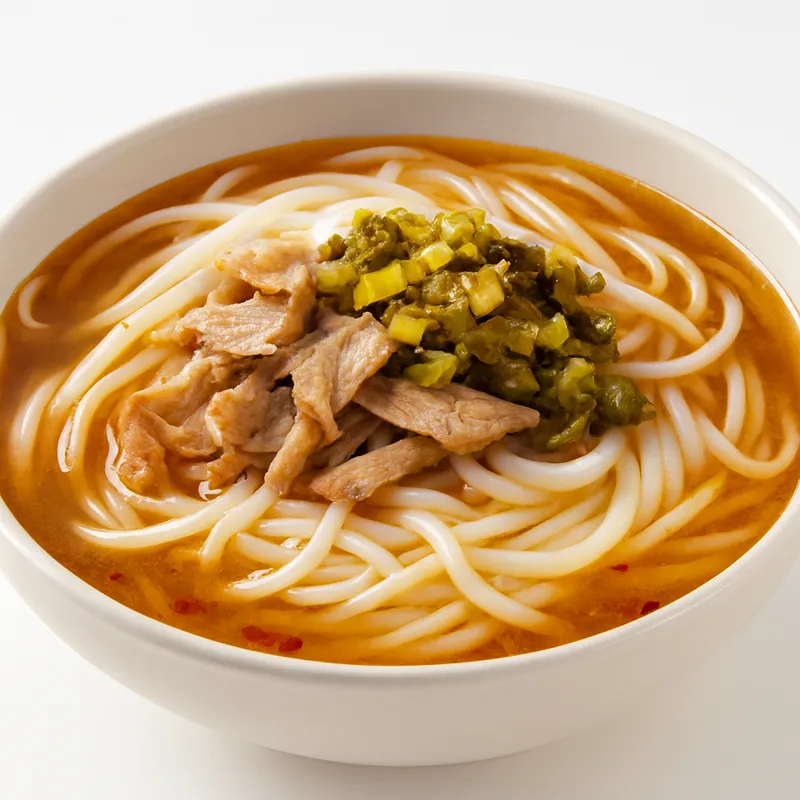
A late-night staple and breakfast mainstay of coastal Haikou, this silky rice porridge is built around live sea crabs simmered until the shells run red and the broth turns amber. Ginger, white pepper, and sesame oil finish each bowl with a slow, fragrant warmth.
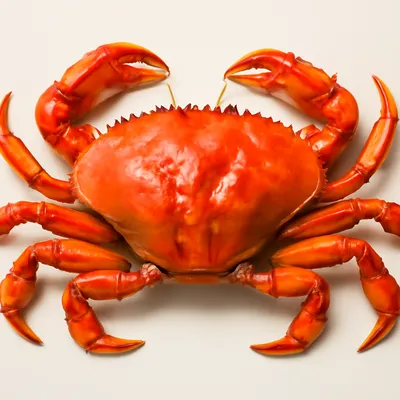


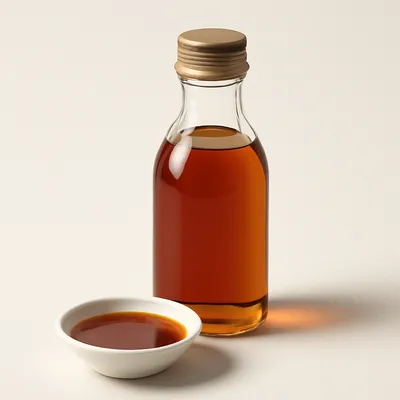
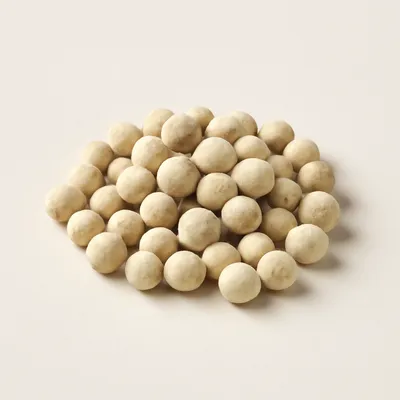

Hainan Crab Congee was named one of Hainan's Ten Famous Snacks in 2012, selected by public vote, industry representatives, and culinary masters. The dish is most closely associated with Xiuying district in Haikou, a working port where fishing boats dock daily. Coastal Hainanese fishermen have long simmered the day's fresh-caught crabs with rice as a late-night meal after returning from sea, a tradition that spread from harbor-side stalls to teahouses across the province.
The first spoonful delivers a briny, oceanic sweetness—crab fat and roe dissolved throughout a velvety porridge. Ginger cuts through the richness and a finish of sesame oil leaves a nutty warmth that lingers long after the bowl is empty.
Crab muscle is exceptionally rich in free amino acids—glycine, alanine, and glutamic acid—that dissolve rapidly into the simmering broth to build layered umami. The carotenoids and phospholipids in crab roe color the stock orange-amber while contributing a fat-soluble richness. Long simmering converts rice starch to a semi-gel that suspends flavor molecules in every spoonful, amplifying aftertaste through slow release on the palate.
Variations
Some Haikou versions combine swimming crabs with mud crabs for a richer roe yield. A lighter daytime variation uses more water and less rice for a thinner gruel, preferred as a stomach-soothing breakfast after a rich night out. High-end restaurants sometimes add ginger broth and a splash of Shaoxing wine to the simmering base.
On the Palate
Where Hainan Crab Congee sits in the Chinese flavor cloud
Ingredients
Serves 3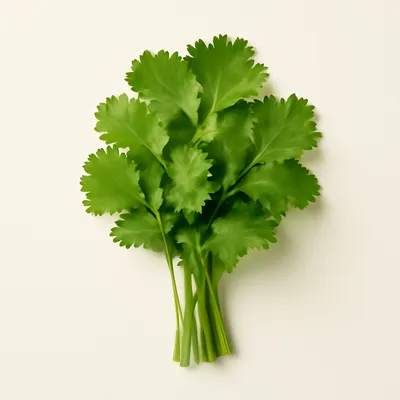

How it's made
7 steps · 1 hour 15 min
- 110 min
Rinse the live crabs under cold running water, scrubbing the shells; lift each carapace, remove the gills and stomach sac, then chop each crab into four pieces.
- 230 min
Rinse the rice, toss with neutral oil and a pinch of salt, and let stand 30 minutes so the oil coats every grain.
Watch outToss the rinsed rice with oil and salt and let it stand thirty minutes — the oil coats each grain so the congee cooks up smooth and creamy instead of gluey.
- 33 min
Bring a large pot of water to a rolling boil; add the coated rice and stir immediately to prevent clumping.
- 430 min
Reduce heat to medium-low and simmer, stirring every few minutes, until the porridge is thick and creamy, about 30 minutes.
- 512 min
Add the crab pieces, increase heat to medium, cover partially, and cook until the shells are fully red and the crab meat is just cooked through, about 12 minutes.
Watch outAdd the crab only in the last stretch and cook about twelve minutes, just until the shells turn full red and the meat is set — long simmering makes crab meat stringy and dry.
- 63 min
Stir in julienned ginger, season with salt and white pepper, then remove from heat and drizzle with sesame oil.
- 72 min
Ladle into bowls, top with sliced spring onion and fresh cilantro, and serve immediately while steaming hot.
Archive tool suggestions — not reviewed
These legacy suggestions have not been evidence-reviewed and are not presented as required tools.