Longchang Mutton Soup is the defining dish of Longchang city in Sichuan's Neijiang prefecture — locally grass-fed black mountain goat, bones, meat, and offal simmered together in a single pot without vegetables, producing a snow-white, deeply flavored broth with no trace of gaminess. The meat is lifted from the pot at the precise moment it is just cooked through, cooled, and sliced thin before being returned to the hot soup; the bowl arrives topped with scallion and cilantro, accompanied by a small dish of house-made doubanjiang and oil-sautéed garlic for dipping. Locals eat it year-round — not just in winter — with the winter-solstice bowl carrying particular ritual weight. The saying captures its place in the city's identity: 'Come to Longchang, walk the stone archways, drink the mutton soup.'





Longchang sits at a strategic point on the ancient Chengdu-Chongqing road and served as one of its major courier stations, drawing merchants from across Sichuan and beyond. It is through this commercial traffic that Longchang mutton soup gained its wider reputation — traveling traders carried word of the dish as they passed through. The exact origins cannot be precisely dated; sources record it only as a centuries-old tradition. Within Longchang, the township of Xiangshi (响石镇) is regarded as the spiritual home of the dish, and a respected elder known only as Ma Shiye was long considered its foremost practitioner; his techniques for selecting goat and building the broth have passed to disciples who still operate shops in town today. Longchang Mutton Soup is listed among the Top Ten Dishes of Neijiang city.
The bowl arrives snow-white and steaming — a thin shimmer of fat on the surface, rings of scallion and sprigs of cilantro floating on top. Drink a first sip of broth before touching the meat: scalding, pale, deeply savory, with no gamey note at all. That absence is what Longchang people are proudest of. The lamb slices are thin and even, pulled from the pot at the instant they are just cooked through, cooled, and scalded back in the broth — they arrive barely firm, releasing a quiet juice when bitten. The dipping bowl of house doubanjiang and oil-cooked garlic is the dish's real flavor engine; wrap a slice in it and salt, heat, fat, and fresh meat lock together in a single mouthful. Local custom: tell the shop owner to refill your broth before the bowl empties, so the lamb rests warm and stays tender throughout.
The snow-white broth is a fat emulsion: maintained at a full rolling boil, fat from goat bones and marrow shatters into microscopic droplets; collagen and myosin dissolved from the bones coat each droplet in suspension, scattering light and turning the liquid opaque white. Drop to a simmer and the emulsion breaks into a clear but thinner soup — which is why Longchang kitchens keep the fire high from the first moment. The dish's deliberate restraint — no vegetables, no aromatics beyond ginger and scallion — is not frugality but a calculated choice: nothing is added that might mask the goat's native sweetness with vegetable sugars or starch. The central skill is the timing of just-cooked removal: a minute too late and the muscle fibers contract and dry out; a minute too early and uncooked myoglobin carries a raw gamey note. Shops start fires at 4 a.m. to hold this narrow window. The dipping sauce is the dish's seasoning mechanism — the broth stays uncluttered and the doubanjiang-garlic paste carries all the salt and heat.
Variations
The 'white broth, plainly boiled' version is considered orthodox; alongside it runs the full-goat tradition, with restaurants preparing sixty or more dishes from every part of the animal — braised tripe, spicy blood curd, chili-fragrant rib bones, salt-fried lamb slices, twice-cooked lamb — spanning techniques from braising and stir-frying to curing. Dipping sauces vary by shop: the traditional form uses house-fermented doubanjiang with oil-sautéed garlic and salt; more elaborate versions add fermented tofu, garlic paste, cilantro, and chili sauce for extra complexity. The nearest sibling within Sichuan is Shunqing Lamb Rice Noodle from Nanchong, which uses the same milky-white broth base but serves it over fresh rice noodles — a noodle-breakfast orientation quite distinct from Longchang's pure broth-and-dip format.
On the Palate
Where Longchang Mutton Soup sits in the Chinese flavor cloud
Ingredients
Serves 4

How it's made
7 steps · 50 min active + 1 hour 40 min waiting
- 13 min
Rinse and blanch: place bone-in goat meat, cracked goat bones, and cleaned offal in cold water; bring to a boil, cook 3 minutes, drain and rinse thoroughly under cold water to remove blood and impurities.
- 25 min
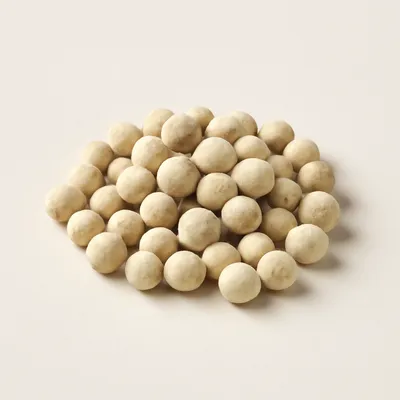
Build the white broth: transfer blanched bones and meat to a clean pot. Cover with cold water by 5 cm. Add smashed ginger, whole scallion stalks, and white peppercorns. Bring to a vigorous rolling boil and keep the heat high — do not reduce.
Watch outKeep the pot at a hard rolling boil the whole way — the churn is what emulsifies the fat into snow-white broth; drop to a simmer and it turns thin and clear.
- 390 min
Skim, then hold at a full boil: in the first 20 minutes, skim off all foam. Continue at a strong rolling boil for 1 to 1.5 hours without adding water; the broth will turn snow-white and grow rich.
- 430 min
Add offal at the 45-minute mark: lower the cleaned offal into the boiling broth and cook until just done, 20 to 30 minutes depending on the cut. Remove when cooked through.
- 515 min
Pull the lamb at the just-cooked moment: when the goat meat is just cooked through — a skewer meets no resistance and the juices run clear — remove immediately. Cool 10 minutes, then slice thin on the bias, about 2 to 3 mm.
Watch outPull the goat meat the instant a skewer meets no resistance and the juices run clear; a minute over and it toughens.
- 65 min
Make the dipping sauce: heat a small splash of oil in a pan over medium heat. Add minced garlic and stir-fry until fragrant, about 1 minute. Mix with doubanjiang and a pinch of salt in a small dipping dish.
- 72 min
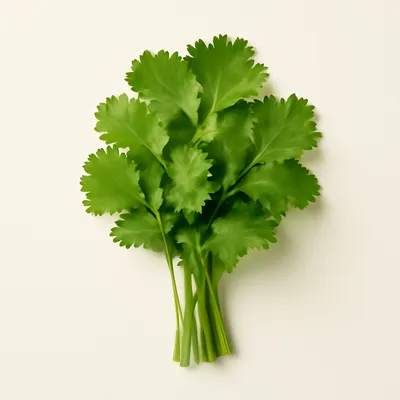
Scald, assemble, and serve: place sliced lamb in a ladle or small strainer and lower into the boiling broth for 20 to 30 seconds to reheat. Transfer to a bowl, ladle over generous hot white broth, scatter scallion and cilantro on top. Serve immediately with the dipping bowl alongside.
Watch outDip the sliced meat in the boiling broth just twenty to thirty seconds to reheat, no longer — it's already cooked and seizes up if left.
Archive tool suggestions — not reviewed
These legacy suggestions have not been evidence-reviewed and are not presented as required tools.



