
Not one recipe but a format: a single stir-fried dish ladled, sauce and all, over a bowl of plain steamed rice. The toppings rotate through the everyday canon — tomato-and-beef-brisket, fish-fragrant pork slivers, kung pao chicken, green pepper with shredded pork — cooked with enough sauce to soak down into the grains. It is the backbone of the Chinese canteen and the takeaway counter: one wok dish, one bowl of rice, fast and cheap, listed by the dozen on every small-restaurant and delivery menu. The whole idea is that the sauce should reach the bottom of the bowl.



Rice with a stir-fried topping is less a single invented dish than the basic grammar of cheap Chinese eating-out, built on the oldest of Chinese meal structures — fan (rice) plus cai (a dish) — collapsed into one bowl for speed. Its modern ubiquity is a story of the canteen and the takeaway: as a fast, one-dish-plus-rice format it became the default of work-unit canteens, small storefront eateries, and — from the 2010s — the food-delivery economy, where a kitchen can plate dozens of named toppings over identical rice and send them out in minutes. Rather than a founding brand or year, what defines it is the format itself: any wok dish with enough sauce can become a 盖浇饭, which is why a handful of dishes — tomato beef brisket, fish-fragrant pork, kung pao chicken — have become its representative faces nationwide.
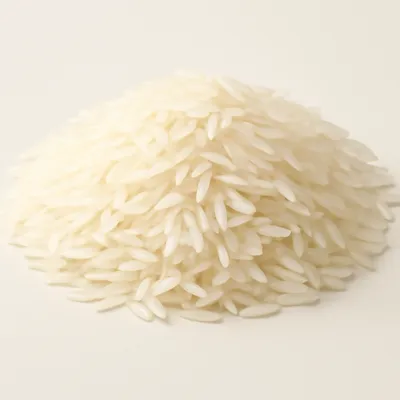
The defining sensation is the contrast between two textures meeting in one mouthful: loose, neutral steamed rice and a glossy, well-seasoned topping whose sauce has begun to seep into the grains at the line where they touch. A good bowl is eaten from that border, working sauce-soaked rice up with each spoonful of the dish. The topping carries the character — sweet-sour and savory in tomato brisket, the sweet-sour-spicy tang of fish-fragrant, the dry chili and peanut crunch of kung pao — while the rice stays the steady, plain foundation that keeps it from being too rich. The plainer the rice, the better it does its job.
The mechanism is simple but specific: the topping has to be saucier than the same dish would be served on its own plate, because the rice is going to absorb a share of that liquid. Cooks build that with a light starch slurry stirred in at the end, which thickens the sauce just enough to cling to the ingredients and then loosen down through the rice rather than pooling and running off; too thin and the rice goes soggy, too thick and the sauce sits on top and never reaches the bottom. Stir-frying over high heat is what gives the topping its wok aroma and keeps the meat and vegetables from stewing while the sauce reduces. The rice is kept plain and slightly firm on purpose, so it can drink the sauce without falling apart into mush.
Variations
Variation is the whole nature of the dish — the rice is constant, the topping is anything. Common faces include tomato-and-beef-brisket, fish-fragrant pork slivers, kung pao chicken, green pepper pork, mapo tofu, and braised-pork over rice; vegetable-only and egg toppings serve the cheapest tier. Sauce-on-the-side ('over-the-top kept apart') versions exist for those who want the rice to stay dry until they mix it. Canteen versions run blander and saucier for volume; small eateries flatter the wok aroma; delivery kitchens favor toppings that survive twenty minutes in a box without the rice turning to paste.
On the Palate
Where Rice with Stir-Fry Topping sits in the Chinese flavor cloud
Ingredients
Serves 1

How it's made
5 steps · 20 min
- 15 min
Steam rice and keep it hot; cut the topping's meat and vegetables into even, bite-size pieces.
- 24 min
Marinate the meat briefly with soy sauce, a little starch, and water; mix a sauce of soy, sugar, vinegar or stock as the topping requires.
- 33 min
Stir-fry the meat over high heat until just cooked, set aside, then fry the aromatics and vegetables.
Watch outFire the meat over the highest heat and pull it the moment it's just cooked — a slow, crowded wok stews it gray and toughens it.
- 42 min
Return the meat, pour in the sauce, and finish with a thin starch slurry so the sauce is glossy and a little loose.
Watch outStop the slurry while the sauce is glossy and a little loose — it has to thin down through the rice, so too thick and it just sits on top.
- 51 min
Ladle the topping, sauce and all, over a bowl of hot plain rice and serve at once.


