Plump fifth-instar hawkmoth caterpillars raised on soybean leaves, cleaned through a centuries-old rolling technique that removes bitter gut contents, then wok-tossed to golden with garlic, ginger, and chives — a silky, high-protein delicacy found nowhere outside northern Jiangsu.




Guanyun County on the Lianyungang coast has a documented tradition of eating bean-hawkmoth larvae (豆天蛾) spanning over 300 years. The farming communities of the soybean belt in northern Jiangsu long treated the fifth-instar caterpillars as both a crop pest and a seasonal banquet delicacy, collected each summer and early autumn. The practice was nationally recognized in 2011 when Guanyun was named 'China's Dodan Culinary Hometown'; in 2017 the product received a National Agricultural Product Geographic Indication; and in 2023 the traditional preparation craft was inscribed on Jiangsu's Fifth Batch of Provincial Intangible Cultural Heritage.
Cleaned dodan flesh is silky and plump — somewhere between tender tofu and a fat river prawn — carrying a faint green-vegetable sweetness from its soybean diet. A properly rolled larva has zero bitterness; high heat adds a light roasted note to the thin cuticle while the moist interior stays yielding and rich.
The larva's body is dense muscle protein: crude protein runs approximately 65.5% of dry weight, with essential amino acids comprising 52.84% of the total. Fat content is about 23.7% (dry weight), of which unsaturated fatty acids account for 64.2%, including approximately 36.5% linolenic acid (an omega-3 polyunsaturated fat). The traditional rolling step — pressing a rolling pin firmly from head to tail — ruptures the gut sac and expels intestinal contents that carry chlorophyll degradation products (pheophytins), which would otherwise impart sharp bitterness. The cleaned white-green flesh then hits a 180–200°C wok: the thin cuticle triggers Maillard browning and sugar pyrolysis in the hemolymph, producing golden color and nutty aroma, while the moist core protein coagulates around 65°C — kept juicy as long as total cook time stays under three minutes.
Variations
Dodan stewed in silk gourd (丝瓜豆丹汤) is the most traditional summer preparation, the larvae's fat enriching a clear light broth. Deep-fried dodan — whole larvae battered and fried until crisp — is the popular market snack form. Upscale restaurants plate dodan alongside pumpkin purée or blanched river shrimp for refined presentations; a newer spiced version with cumin and dried chili has also spread through street stalls.
On the Palate
Where Guanyun Bean-Hawkmoth Larvae sits in the Chinese flavor cloud
Ingredients
Serves 4How it's made
6 steps · 10 min active + 10 min waiting
- 110 min
Soak live larvae in cold water for 10 minutes until they float upright; drain well.
- 25 min
Place each larva on a board; press a rolling pin firmly from head to tail in one stroke to expel intestines entirely; rinse cleaned flesh under cold water and pat dry.
Watch outPress the rolling pin firmly head-to-tail in one stroke to squeeze the gut out whole — leave any behind and the flesh turns sharply bitter.
- 31 min
Heat oil in wok to shimmer (about 180°C); add garlic and ginger slices and stir-fry 30 seconds until fragrant.
- 42 min
Add cleaned dodan; toss over maximum heat for 90 seconds until flesh turns from blue-green to pale golden.
Watch outToss on maximum heat only 90 seconds, until the flesh turns from blue-green to pale gold — overcook and it goes rubbery.
- 51 min
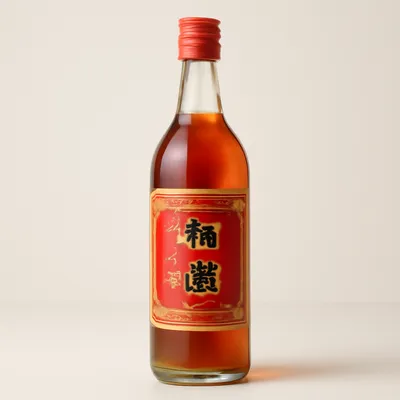
Add Chinese yellow chives (or luffa slices); splash in Shaoxing wine and soy sauce around the wok rim; stir-fry 1 minute.
- 61 min
Season with salt and a pinch of white pepper; drizzle sesame oil, toss once, and serve immediately.

