
A fast, fragrant Hakka stir-fry of rehydrated dried squid, pork belly, pressed dried tofu and celery, tossed hard over high heat. The squid is fried until it curls and smells of the sea, the pork belly rendered until its edges crisp, the dried tofu browned to soak up flavor, then everything is flung together with celery and scallion in a salty-savory sauce sharpened with a splash of rice wine. It is built on the Hakka knack for stretching strong, storable dried goods into a hearty dish — the squid and dried tofu carrying far more flavor than their cost. Quick, smoky with wok aroma, and made to go with rice.




Hakka stir-fry is a classic of the mainland Hakka home and banquet table, particularly in eastern Guangdong (Meizhou, Heyuan) and among Hakka communities across the south. It exemplifies a defining Hakka habit: the heavy use of preserved and dried ingredients — here dried squid and pressed dried tofu — to build a savory, satisfying dish from cheap, storable staples, a thrift born of a migrant, hill-farming people who valued food that kept. The same dish travelled with Hakka settlers to Taiwan, where 'Hakka stir-fry' (客家小炒) became a restaurant standard, so the name is shared across the strait; the mainland version is recorded as one of the representative everyday dishes of the Meizhou Hakka kitchen. No single inventor or date is documented; it is a folk dish, with the squid-and-celery combination its most recognized form.
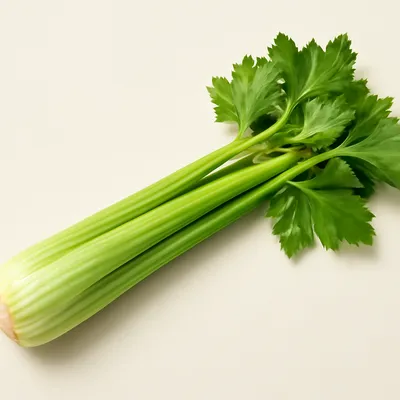
A plate of contrasts in one mouthful: chewy, slightly springy strips of rehydrated dried squid with a concentrated brine-sweet flavor; pork belly with crisped, rendered edges and soft fat; firm, browned dried tofu that has drunk up the sauce; and fresh celery snapping green and crunchy through it all. Scallion and a little chili lift it. The wine and soy leave a salty-savory, faintly fermented coat, and the whole dish smells of high-heat wok aroma — the squid in particular gives that deep, dried-seafood savor that defines the plate. Robust, textured, and unmistakably made for shovelling over rice.
The dish is a sequence of separate fries, not a single toss, because each ingredient wants a different heat. The dried squid is soaked back to pliancy, then dried well and fried first in hot oil until it curls and releases its concentrated marine aroma — frying, rather than just boiling, is what coaxes out that deep dried-seafood savor and gives it the springy chew. The pork belly is rendered next so its fat melts and its edges crisp, that rendered fat becoming the cooking medium that carries flavor through the rest. Dried tofu is browned to firm its surface and open it to the sauce. Only then is everything combined fast over the highest heat with the celery, which is added late so it stays crunchy; a splash of rice wine hits the hot wok and flashes off, its aroma fixing into the dish (锅气). Speed is the rule — overcook and the squid turns rubbery and the celery goes limp.
Variations
The recognized core is dried squid, pork belly, dried tofu and celery, but the mix is flexible: many add fresh squid alongside the dried for tenderness, or swap in garlic chives, leek, or fried bean curd; Meizhou cooks often include a few dried shrimp. Some versions lean on more chili and a darker soy sauce, others keep it pale and let the squid lead. The Taiwanese Hakka rendition typically adds a sweeter note and sometimes pressed bean curd skin. The constant is the dried squid and the hard, fast high-heat toss that gives the dish its wok aroma; a final splash of rice wine is near-universal.
On the Palate
Where Hakka Stir-Fried Pork & Squid sits in the Chinese flavor cloud
Ingredients
Serves 4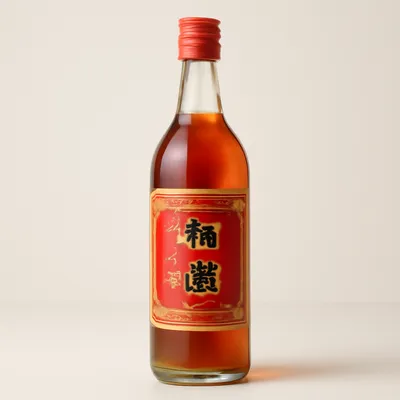

How it's made
6 steps · 20 min active + 20 min waiting
- 125 min
Soak dried squid in warm water until pliable, 20-30 minutes; drain, pat dry and cut into strips. Cut pork belly, dried tofu and celery into matching strips.
- 23 min
Heat oil in a wok and fry the dried squid strips over high heat until they curl and smell fragrant; remove and set aside.
Watch outFry the dried squid first in hot oil until it curls and smells fragrant — frying, not boiling, is what wakes its deep dried-seafood savor.
- 34 min
In the same wok render the pork belly until its fat runs and the edges crisp; push aside and brown the dried tofu strips in the rendered fat.
- 42 min
Add ginger, garlic and a little chili, then return the squid and toss; season with light soy, a pinch of sugar and white pepper.
- 52 min
Add the celery and scallion and stir-fry hard over the highest heat for under a minute so the celery stays crunchy.
Watch outStir-fry the celery over the highest heat under a minute — any longer and it steams limp instead of staying crunchy.
- 61 min
Splash rice wine around the edge of the wok, toss once or twice to capture the aroma, and serve immediately.
Watch outSplash the rice wine down the hot wok edge and toss once — hitting the hot metal is what flashes up the aroma; poured in the middle it just stews.


