
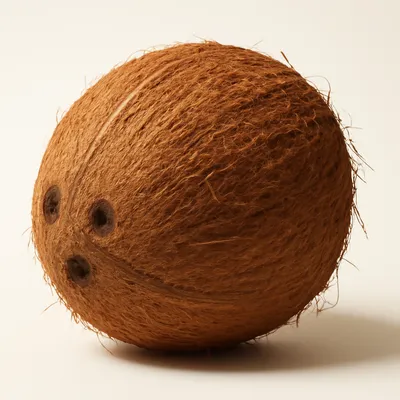
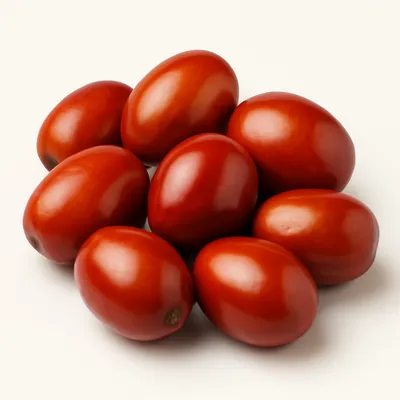
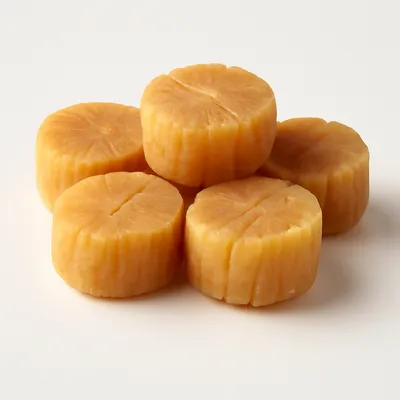
A clear, naturally sweet Cantonese tonic soup of chicken double-boiled with young coconut. Chicken pieces are blanched, then sealed in a covered stoneware stewing pot (dunzhong) with young-coconut water, scraped coconut flesh, and a few gentle partners such as Solomon's seal, red dates, goji, and dried scallop; the pot is set in a larger vessel of water and steam-simmered for around four hours. Because the food never tumbles in a rolling boil, the broth stays crystal-clear, sweet from the coconut alone with no added sugar. This is the slow Cantonese double-boiled soup (geshui dun), not the Hainan tabletop coconut-water hotpot also called yezi ji — a different province and a different method (steam-simmered, not poached at the table).
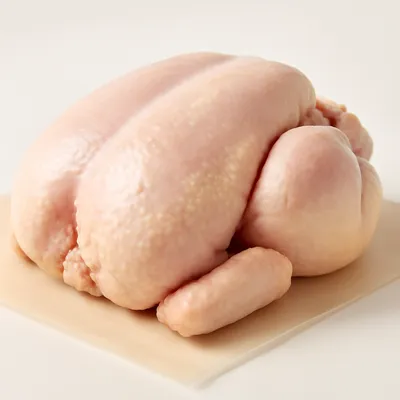


The dish belongs to Cantonese soup culture and its long-standing distinction between two ways of making soup, summed up in the folk saying 'three hours to bao, four to dun' (煲三炖四). A bao soup (老火汤) is simmered uncovered in an open pot for about three hours, yielding a fuller, slightly fatty broth; a dun soup is double-boiled (隔水炖) — the ingredients are sealed in a lidded stoneware pot, often closed with a sheet of mianzhi paper, which is set in a larger pot of water and held at a gentle steam-simmer for around four hours, giving a clearer broth that is prized as more nourishing. Coconut entered Cantonese kitchens through the coconut-growing coast of Hainan and Guangdong, and pairing it with chicken in a clear double-boiled tonic soup is a standard of home and restaurant cooking. It should not be confused with the Hainan coconut chicken (椰子鸡): the village 'coconut-bowl' chicken (椰盅鸡) steams a whole bird inside a coconut shell, while the now-famous coconut-water hotpot of the same name was formalized in Shenzhen in the 1990s, where raw chicken is poached at the table in coconut water rather than double-boiled in a pot.
A lidded stoneware pot of pale, clear broth — you can see to the bottom — with chicken fallen soft off the bone and chunks of coconut flesh gone silky from the long heat. Solomon's seal slips translucent, the red dates and goji bleed a faint warmth and color into the soup. There is no oily film on top, no cloudiness, only a clean coconut sweetness with the lift of ginger underneath. Drink it plain first, then eat the chicken and the spoon-soft coconut. Done well the sweetness is all from the coconut; if it tastes thin and flat the coconut was too young, and a slick of fat on top means it was boiled too hard instead of gently double-boiled.
Double-boiling (隔水炖) is the whole technique. The pot is sealed and set in water kept at the boil, so the food sits at a steady temperature near 100°C without ever tumbling in a rolling boil — and because it never agitates, the chicken proteins coagulate slowly and the soup stays clear rather than clouding the way a hard-boiled stock does. The seal keeps the pot near-airtight, so very little evaporates and aroma stays trapped inside while savory compounds dissolve into the broth; over the four hours, collagen in the bird's connective tissue breaks down to gelatin and gives the soup a light, clean body. The chicken is blanched first (飞水) — dropped into boiling water for a short while, then rinsed — to wash off the blood scum and raw smell that would otherwise muddy the soup. Use young coconut: its water already carries natural sugars and electrolytes (notably potassium) and a clean sweetness, so the soup needs no added sugar; many cooks combine young-coconut water for sweetness with a little mature-coconut flesh for fragrance, and add most of the coconut water late so its fresh sweetness is not cooked away.
Variations
A common variant is the whole-coconut double-boil (原个椰子炖 / 原盅椰子炖): the chicken and partners are packed straight into an opened coconut shell, which serves as the stewing pot, and the whole coconut is steam-simmered and brought to the table in its shell. Tonic partners vary by household — Solomon's seal, red dates, goji, dried scallop, dried longan, and bamboo fungus are typical, with mature-coconut flesh added for a fuller fragrance. It is distinct from the Hainan coconut chicken (椰子鸡) hotpot, in which coconut water is used as a clear poaching base for raw chicken at the table rather than sealed in a pot and double-boiled; and from the village coconut-bowl chicken (椰盅鸡), a whole bird steamed inside a coconut shell.
On the Palate
Where Coconut Chicken Soup sits in the Chinese flavor cloud
Ingredients
Serves 4
How it's made
8 steps · 25 min
- 18 min
Open a young coconut: pour off and reserve the water, then scrape out the firm flesh and cut it into chunks. If using mature-coconut flesh for fragrance, prepare a little of that too.
- 25 min
Rinse the dried scallop and soak it in a little warm water; rinse the Solomon's seal, red dates (pitted), and goji.
- 35 min
Cut the chicken into pieces and rinse. Drop the pieces into a pot of boiling water for about 15-30 seconds to blanch (fei shui), then lift out and rinse off the blood scum.
Watch outBlanch the chicken pieces just 15 to 30 seconds and rinse off the scum — this quick clean is what keeps the double-boiled soup crystal clear later.
- 47 min
Pack the chicken, ginger, coconut flesh, dried scallop, Solomon's seal, and red dates into a stoneware stewing pot. Pour in about half the coconut water plus enough hot water to nearly cover; cover the pot.
- 55 min
Set the covered pot inside a larger pot or steamer holding water below its rim. Bring the outer water to a boil, then double-boil at a steady gentle simmer.
Watch outKeep the outer water at a steady gentle simmer around a boil, never let the sealed pot tumble — that even heat coagulates the chicken slowly so the soup stays clear instead of clouding.
- 6200 min
Double-boil for about 4 hours, topping up the outer water as needed so it never boils dry.
- 730 min
In the last 30 minutes, pour in the remaining reserved coconut water and add the goji, so the fresh coconut sweetness is not cooked away.
Watch outAdd the reserved fresh coconut water only in the last thirty minutes — pour it in early and the delicate sweetness cooks away.
- 85 min
Season with a little salt only and serve the soup clear, with the chicken and softened coconut flesh.
Archive tool suggestions — not reviewed
These legacy suggestions have not been evidence-reviewed and are not presented as required tools.


