
A clear Hainanese tonic soup steamed inside a whole old coconut. The top of a mature coconut is cut open as a lid, some of the water is poured off, and chicken or squab is packed into the shell with a few warming aromatics such as ginger, goji berries, and red dates; the lid is replaced and the whole coconut is steamed over water for an hour or more until the meat is falling-tender and the broth is clear and faintly sweet. It is served in the shell, the soup drunk straight from the coconut and the meat and tender coconut flesh eaten with it. This is the old village 'coconut bowl' method (椰盅鸡 / 椰盅文昌鸡), and is distinct from the modern coconut-water hotpot also called 椰子鸡.
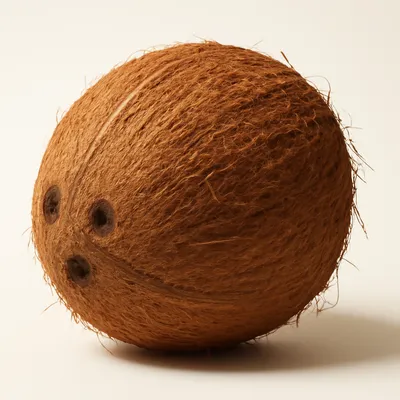
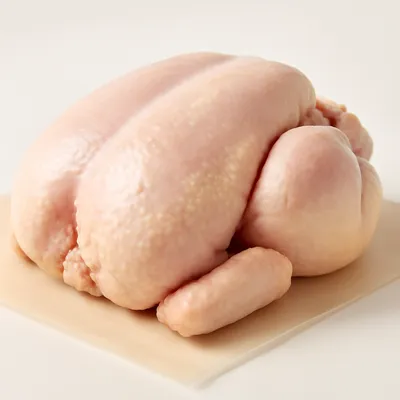



Cooking food inside the coconut shell is an old domestic practice in Hainan, where mature coconuts are abundant; the dish is known locally as 椰盅鸡 or 椰盅文昌鸡 — a whole bird sealed inside a coconut and steamed into a tonic soup. Hainan-press accounts describe it as the early village way of bringing coconut and Wenchang chicken together, valued as a nourishing dish (营养滋补) before the now-famous coconut-water hotpot 椰子鸡 appeared. That hotpot is a much later creation, generally traced to Shenzhen and Hong Kong–Cantonese restaurants from the 1990s onward, in which raw chicken is poached at the table in coconut water rather than steamed inside the shell. The exact inventor and date of the older steamed coconut-bowl method are not reliably recorded; some popular accounts name a Republican-era Hainan cook, but this is not corroborated and is omitted here.
The soup is thin, hot, and crystal-clear, with a clean coconut sweetness and the warmth of ginger underneath — not the milky, oily richness of a coconut-milk broth. The chicken or squab comes off the bone in soft strands, having given its savor to the water, and a spoon scraped down the inside wall lifts off slabs of the now-jellied coconut flesh, silky and just chewy. Done well, the broth tastes of the coconut itself with no greasy film on top; done badly, the coconut was too young so the soup is watery and flat, or it was steamed too hard and the meat goes dry and the sweetness turns flat and cooked.
The coconut is both pot and seasoning. A mature ('old') coconut is essential: its water carries more sugar and its firm white flesh holds up to long heat, where a young coconut would give a thin, watery soup. Steaming rather than boiling holds the temperature gently at around boiling point and keeps the shell sealed, so almost nothing evaporates and the soup stays clear — the chicken proteins coagulate slowly and release umami amino acids into the water without the hard agitation that would cloud a fast-boiled stock. Over the hour-plus of steaming, collagen in the bird's connective tissue breaks down to gelatin, giving the broth its light body, while heat softens the coconut flesh against the shell into the silky layer eaten at the end. Because the coconut water already brings natural sweetness, only a little ginger, goji, or red date is needed; heavy seasoning would bury the point of the dish.
Variations
The protein varies by household: a whole young chicken or chicken pieces give 椰盅鸡 / 椰盅文昌鸡, while squab (乳鸽) makes a richer tonic version, and pork ribs or 老鸭 (old duck) are also used. Tonic additions range from plain ginger to red dates, goji, dried longan, or medicinal touches like American ginseng for a 清补 ('cooling-and-nourishing') effect. The whole-coconut steamed soup should not be confused with the 椰子鸡 hotpot, in which coconut water is used as a clear poaching base for raw chicken at the table; nor with 椰子鸡汤, a stovetop soup simmered in a pot with coconut water and flesh added rather than sealed in the shell.
On the Palate
Where Coconut Bowl Tonic Soup sits in the Chinese flavor cloud
Ingredients
Serves 2How it's made
6 steps · 1 hour 30 min
- 110 min
Choose a mature ('old') coconut with plenty of water; saw or chop off the top to make an opening with a lid, and pour off about half the coconut water into a bowl.
- 25 min
Blanch chicken pieces (or a cleaned squab) in boiling water for a minute to remove scum, then drain.
Watch outBlanch the chicken a full minute and skim off the scum before it goes in the coconut — that keeps the steamed broth crystal-clear instead of murky.
- 38 min
Pack the blanched meat into the coconut with a few slices of ginger and a small amount of goji berries and red dates; pour back enough of the reserved coconut water to nearly fill it.
- 42 min
Replace the coconut lid (or cover the opening tightly with foil) and set the whole coconut upright in a bowl to keep it steady.
Watch outSeal the coconut lid tight before steaming — a good seal keeps the steam from getting in and diluting the sweet coconut broth.
- 570 min
Steam over high heat in a covered steamer for at least an hour, until the meat is very tender and the broth is clear; top up the steamer water as needed.
Watch outSteam a full hour-plus over high heat until the meat is fall-apart tender and the broth runs clear — gentle steam is what keeps it from clouding.
- 63 min
Season the soup with only a little salt if at all, since the coconut water is already sweet; serve in the shell, drinking the broth and scraping out the softened coconut flesh with the meat.
Archive tool suggestions — not reviewed
These legacy suggestions have not been evidence-reviewed and are not presented as required tools.


