The prestige centrepiece of the Teochew 打冷 cold table: a whole spiny lobster split and submerged in a soy-based brine with garlic, ginger, chilli, fish sauce and sesame oil for eight hours. The uncooked flesh turns from glassy to just-set — sweet, oceanic, deeply savoury. Served cold with the brine ladled over as sauce, it is the dish Teochew hosts bring out to mark the importance of a feast.
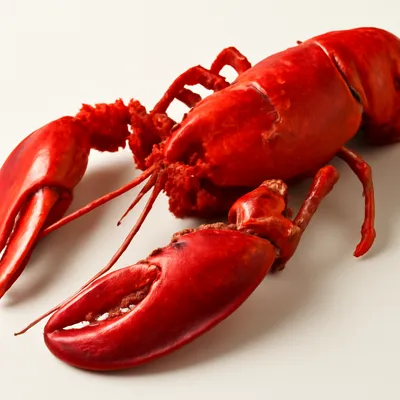





The 打冷 tradition was codified in Hong Kong from the 1950s, when Teochew hawkers selling night-market cold items built up a four-category system of cold platters: sashimi, braised items, fish rice (鱼饭), and marinated preparations (腌制品). Raw-marinated lobster sits at the apex of the marinated-preparations category. The broader 生腌 technique it draws on is attested in the Qianlong-era Chaozhou Prefecture Gazetteer (compiled by Zhou Shuxun, 1762), which notes that raw oyster, shrimp, and fish preparations were considered the finest flavours of the region. As a luxury preparation, 腌龙虾 is primarily a restaurant and banquet dish rather than a home staple; it rose to prominence in Shantou's seafood restaurant scene in the late twentieth century as spiny lobster became more accessible to urban diners.
Split the lobster at the table and pull the tail meat free in one piece. It is cold and just-set — not rubbery like boiled lobster, but with a silky, yielding resistance that gives way to sweetness. The soy-garlic brine has permeated the outer layer; the core is almost sashimi-pure. Roe, where present, delivers a concentrated hit of oceanic richness.
The soy-and-salt brine acts by osmotic pressure, drawing water out of the lobster muscle fibres and partially denaturing the myosin chains without heat, producing a texture intermediate between raw and cooked — firmer than live flesh but without the tight contraction of boiling. Fish sauce contributes free glutamates and nucleotides (primarily inosinate) that amplify the lobster's intrinsic sweetness. Allicin from garlic and gingerols from ginger perform surface antimicrobial roles; refrigeration at around 4 degrees Celsius limits pathogen growth during the curing period. The shell absorbs soy colour from outside, while the meat colour change from translucent to opaque is driven entirely by protein denaturation.
Variations
Mud crab and mantis shrimp are marinated by the same brine; lobster is the most ceremonial variant. Some Shantou restaurants add Sichuan peppercorn and star anise for a more complex brine. A shorter brine of 2–3 hours yields a more sashimi-like result for diners who prefer less cured intensity. The premium choice is ornate spiny lobster; smaller rock lobster is acceptable for home use.
On the Palate
Where Raw-Marinated Spiny Lobster sits in the Chinese flavor cloud
Ingredients
Serves 2



How it's made
7 steps · 30 min
- 110 min
Purchase a live spiny lobster (~1 kg); chill in iced water for 10 minutes to sedate, then kill humanely by inserting a skewer behind the head.
- 28 min
Split the lobster in half lengthwise with a heavy cleaver; remove the stomach sac and intestinal tract; rinse the cut surfaces once with cold water and pat dry.
- 310 min
Soak both halves in high-proof baijiu for 5–10 minutes to disinfect; drain and pat dry again to prepare the surface for marinating.
Watch outScrape out the stomach sac and the dark intestinal tract completely — miss either and the whole cure tastes muddy and off.
- 45 min
Prepare brine: combine 100 ml aged soy sauce, 2 tbsp fish sauce, 1 tbsp sesame oil, 6 crushed garlic cloves, 20 g sliced ginger, 2 sliced red chillies, 1 tbsp white sugar, and a handful of chopped coriander.
- 52 min
Place lobster halves cut-side down in a deep container; pour brine over to fully submerge, weighting with a small plate if needed.
- 6480 min
Seal and refrigerate at 4 degrees Celsius for 6–8 hours until the flesh shifts from translucent to opaque white-pink and the shell has absorbed the soy colour.
Watch outWeight the halves so they stay fully under the brine — anything above the surface won't cure evenly.
- 73 min
Remove from brine; arrange on a chilled platter shell-side down; spoon brine over as a sauce and garnish with fresh coriander. Serve immediately.


