The most prized entry in Teochew raw-marinade (生腌) cuisine: fresh mantis shrimp briefly scalded, then steeped in a precise brine of fish sauce, soy, garlic, ginger, fresh chili, coriander, sesame oil, and high-proof kaoliang. After thirty minutes to overnight in the refrigerator, the flesh turns translucent and gel-like, intensely cold and sweet. Known colloquially as 'Chaoshan poison'—eat one and you cannot stop.




The Teochew practice of raw-marinated seafood (生腌) belongs to the coastal 杂咸 tradition of preserving shellfish with salt, fish sauce, and rice wine as a daily condiment. Historical accounts of raw crab preparation appear in the Song-dynasty text Crab Notes (《蟹略》) by Gao Sisun, which documented 蟹生 (crab-raw) prepared by steeping live crab in salt and rice wine with ginger and orange peel. By the Qianlong era (mid-Qing), the Chaozhou Prefecture Gazetteer explicitly recorded that 'oyster-raw, fish-raw, and shrimp-raw are prized as the finest delicacies' (蚝生、鱼生、虾生之类,辄为至味), confirming raw-marinated seafood as a recognized regional practice by the 18th century. Mantis shrimp (虾蛄) entered the raw-marinade repertoire as one of its most celebrated candidates, prized for a sweet muscle structure that turns uniquely gelatinous when cold-marinated.
Shell the chilled mantis shrimp and slide out a translucent, gel-cool segment of meat: sweet, briny, faintly alcoholic, with garlic warmth and coriander freshness cutting through the rich marinade. The texture sits between sashimi and cold aspic—firm but yielding, with none of the rubbery resistance of cooked crustacean.
A preliminary white-vinegar soak lightly denatures the surface proteins of the mantis shrimp, creating a partial barrier while firming the outer layer. The marinade's salt draws free water out of the muscle fibers through osmosis, concentrating umami amino acids and compressing the protein matrix into the characteristic cold-set gel. Fish sauce inosinate and soy glutamate combine in a synergistic umami spike. High-proof kaoliang (40%+ alcohol) dissolves fat-soluble aromatic compounds and carries them into the meat, while partially inhibiting surface bacterial growth. Neither salt nor alcohol destroys deep-tissue parasites—only thorough cooking can guarantee that.
Variations
The same marinade applies across the wider Teochew raw-marinade repertoire: mud crabs (生腌螃蟹), baby shrimp, clams, and blood cockles. A shorter marinade (20 minutes) gives a lighter, more delicate result; overnight produces intensified salinity. A fully fermented version (虾蛄醢, aged months) produces a pungent paste used as a condiment rather than a dish.
On the Palate
Where Raw-Marinated Mantis Shrimp sits in the Chinese flavor cloud
Ingredients
Serves 4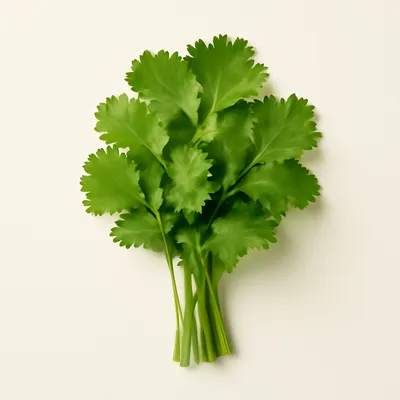

How it's made
7 steps · 15 min
- 15 min
Use kitchen scissors to trim the sharp rostrum and tail edges of each mantis shrimp; rinse briefly in cold water.
- 25 min
Soak in ice-cold water for 5 minutes to purge impurities; lift out and drain.
- 31 min
Pour a kettle of just-boiled water over the mantis shrimp in a colander; swirl for 30 seconds to micro-blanch; drain immediately and pat dry.
Watch outThe just-boiled water is only a 30-second swirl to micro-blanch — any longer and you cook the shrimp, losing the raw, cold-set snap that's the whole point.
- 43 min
Add white rice vinegar; toss to coat; stand 2 minutes; rinse with fresh ice water and drain again.
- 55 min
Prepare marinade: combine minced garlic, ginger, fresh chili rings, coriander, fish sauce, light soy sauce, sesame oil, sugar, and kaoliang; stir until sugar dissolves.
- 62 min
Place mantis shrimp in a container; pour marinade over; toss gently so every piece is coated.
- 730 min
Cover and refrigerate at least 30 minutes (up to 4 hours for deeper flavor); serve chilled directly from the container.
Watch outChill at least 30 minutes so the salt and marinade firm the flesh into a cold-set gel — served too soon it tastes raw and watery, not savory-firm.