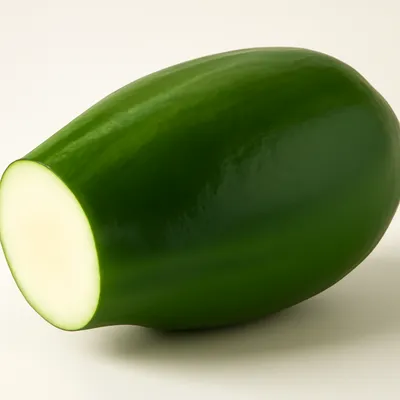
Guangxi's most democratic street food: seasonal fruit and vegetables — green papaya, unripe mango, cucumber, carrot — sliced thin and tossed in white rice vinegar and sugar for a hit of clean, bright acidity. Eaten from toothpicks at roadside stalls by the tens of thousands daily, it is simultaneously cooling, addictive, and elemental. The pickling tradition dates back over 1,600 years.


Guangxi's sour-food culture has deep documented roots. The ancient medical text Huangdi Neijing records that the people of southern China 'love sour and fermented foods,' while Zhou dynasty ritual texts document 'pickled bamboo shoots' (sun zu) as a ceremonial offering. Local tradition holds that pickling vessels used across Guangxi in early medieval times bore close resemblance to jars still in use today, hinting at roots reaching back over a thousand years, though this specific archaeological claim could not be independently corroborated. Ming dynasty traveller Xu Xiake also recorded mountain communities throughout Guangxi eating pickled vegetables as a staple accompaniment. The fast vinegar-and-sugar method that defines modern street suan ye grew from this deep tradition into a commercial street economy. In 2023 the Nanning suan ye craft was registered as a Guangxi regional intangible cultural heritage.
A toothpick brings a ribbon of green papaya that crunches with pure, fresh-vegetable clarity, followed immediately by a sharp jab of vinegar and a receding sweetness. The combination is addictively clean — you are always reaching for the next piece.
White rice vinegar (pH approximately 2.5–3.5) acidifies the cut surfaces of fruit and vegetables rapidly through osmotic diffusion, denaturing polyphenol oxidase — which requires a pH above 5 to function — and thereby preventing enzymatic browning while locking in vivid colour. Dissolved sugar exerts osmotic pressure across cell membranes, drawing intracellular water outward; this concentrates flavour compounds while maintaining cell-wall structural rigidity, producing the signature 'slightly shrunken but still intensely crunchy' texture. In the traditional fermented-jar variant (坛子酸), lactic acid bacteria (Lactobacillus spp.) and acetic acid bacteria metabolise fruit sugars sequentially into lactic and acetic acid, yielding greater flavour complexity and potential probiotic benefit.
Variations
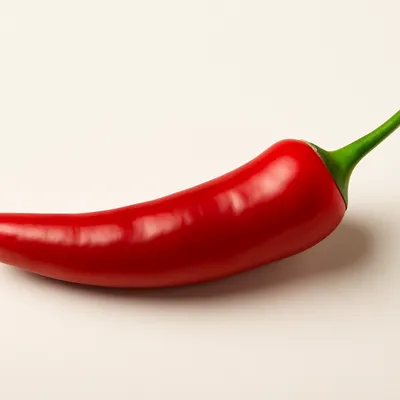
Nanning style uses more sugar and lighter vinegar for a softer, sweeter profile; Jingxi style is sharper and drier with more vinegar. The fermented-jar version (坛子酸) develops lactic depth over several days or weeks. Seasonal ingredients shift: summer favours green mango, papaya, starfruit, and guava; winter brings carrot, lotus root, and white radish. Some vendors add fresh chili or a pinch of chili powder for a hot-sour variant.
On the Palate
Where Guangxi Pickled Sour Snacks sits in the Chinese flavor cloud
Ingredients
Serves 6
How it's made
6 steps · 20 min active + 2 hours waiting
- 110 min
Peel and seed green papaya; peel unripe mango and carrot; cut all vegetables and fruit into uniform 3 mm slices or julienne strips for even marination.
- 25 min
Toss all cut pieces with 1 tsp salt; rest 5 minutes; rinse lightly under cold water and drain thoroughly in a colander — this removes excess moisture and reduces raw vegetable pungency.
Watch outSalt the cut fruit and veg, rest, then rinse and drain well — this pulls the raw pungency and excess water so the pieces stay crunchy, not watery.
- 32 min
Combine white rice vinegar and sugar in a mixing bowl; stir until the sugar is completely dissolved and the brine is clear.
- 41 min
Taste the brine and adjust the ratio to your preference — it should taste noticeably more sour than your target, as the fruit will moderate the sharpness during marination.
Watch outMix the brine noticeably more sour than your target — the fruit's own juices will soften the sharpness as it steeps.
- 52 min
Add all drained fruit and vegetable pieces to the brine; toss with clean chopsticks until every piece is coated; transfer to a clean container.
- 6120 min
Cover and refrigerate for at least 1–2 hours, or overnight for a more developed flavour; serve chilled directly from the container with toothpicks.


