A centrepiece of Lanzhou cuisine: a whole Yellow River carp — prized for its golden scales and red tail — is scored across both flanks, dusted with starch, and fried until the cuts splay open like pine scales. It is then red-braised in a sauce of soy, caramelised sugar, rice wine, ginger, and garlic until the skin is lacquered and the flesh pulls cleanly from the bone. The carp's auspicious symbolism (its name 鲤 is homophonous with 利, meaning profit) makes it indispensable at Gansu New Year and wedding banquets.



Yellow River carp has held ceremonial significance in Chinese culture for at least two millennia. Tang sources preserve a famous carp taboo: the Tang miscellany 《酉阳杂俎》 cites a dynastic rule that caught carp should be released and not eaten — the fish's name 鲤 (lǐ) being homophonous with the imperial surname 李 (Lǐ) — with anyone selling carp facing sixty blows of the heavy rod (杖六十); the 《旧唐书》 separately records Emperor Xuanzong issuing edicts against netting carp. Modern historians treat the trade ban as anecdote rather than enforced statute, since Tang poetry shows carp were still widely caught and eaten; either way the taboo paradoxically deepened the fish's cultural resonance. Lanzhou's position on the upper Yellow River gave Gansu cooks privileged access to wild carp, and the red-braising technique (红烧) settled into local tastes with a heavier hand of chilli and Sichuan peppercorn. The dish counts among Gansu's traditional Longcai classics and remains a banquet centrepiece for festivals and weddings.
The skin at the scored cuts has crisped and caramelised into brittle lacquer; biting through releases a burst of the soy-sugar glaze before reaching soft, sweet flesh that falls cleanly from the fine pin bones. Ginger and garlic hum in the background; the sauce is rounded with a faint caramel bitterness that prevents sweetness from cloying.
Scoring the flesh to the bone dramatically increases surface area, allowing the starch coating to form a thick, porous crust during frying. At 180–200°C the Maillard reaction browns the proteins and residual sugars in the starch; the scored cuts curl open as the collagen in the skin contracts. During the braise, the sauce's caramelised sugar, soy amino acids, and dissolved fish collagen interlock to form a thick, glossy coating that clings to every scored channel. Long-chain gelatins released from the carp's thick skin give the sauce its characteristic body.
Variations
Henan cooks — who share the Yellow River carp tradition — use a sweeter, more vinegar-forward sauce; Lanzhou versions lean saltier with more Sichuan peppercorn. A home-style version skips the initial deep fry and pan-braises directly, sacrificing the crisp skin for ease. In some Gansu restaurants the dish is finished tableside with a drizzle of chilli oil for an extra layer of heat.
On the Palate
Where Braised Yellow River Carp sits in the Chinese flavor cloud
Ingredients
Serves 3



How it's made
7 steps · 20 min
- 115 min
Scale, gut, and rinse a 1.2–1.5 kg Yellow River carp; pat completely dry with paper towels. Score both sides with diagonal cuts spaced 2 cm apart, cutting all the way to the backbone.
Watch outScore all the way to the backbone, cuts 2 cm apart — deep scoring is what lets the flesh curl open into the classic squirrel shape and lets the sauce reach in.
- 25 min
Dust the fish inside and out with 3 tbsp potato starch, pressing gently to adhere; shake off excess to leave a thin, even coating.
- 310 min
Heat 3 tbsp lard or neutral oil in a wide wok over high heat until lightly smoking. Carefully lower the fish and fry undisturbed for 4 minutes per side until deeply golden and the scored cuts splay open.
Watch outFry the fish undisturbed four minutes a side until deeply golden and the cuts splay — move it too early and the starch crust tears off the skin.
- 45 min
Remove fish to a plate. In the same wok, fry 2 tbsp minced ginger and 3 minced garlic cloves until fragrant; add 1 tbsp sugar and stir over high heat until the sugar caramelises to a light amber.
Watch outTake the sugar just to light amber — that caramel gives the glaze its shine and depth; push it darker and it turns bitter.
- 53 min
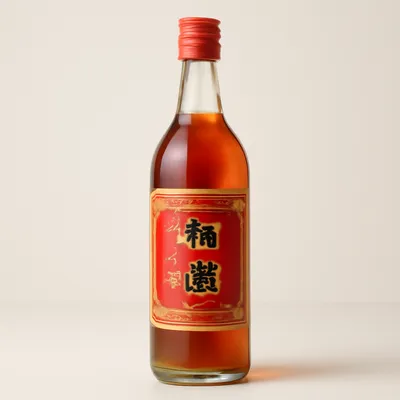
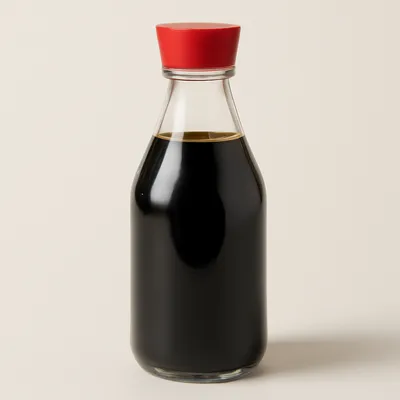
Deglaze with 3 tbsp light soy sauce, 3 tbsp Shaoxing rice wine, 1 tsp dark soy sauce, and 300 ml water; stir to lift all caramel from the base.
- 618 min
Return the fish to the wok; cover and braise over medium heat for 15 minutes, turning the fish once halfway through, until the sauce reduces to a thick, glossy glaze.
- 74 min
Transfer fish to a platter; spoon the remaining glaze over the top. Garnish with fine scallion threads; drizzle with a few drops of sesame oil and serve immediately.
Archive tool suggestions — not reviewed
These legacy suggestions have not been evidence-reviewed and are not presented as required tools.


