
The everyday Hakka braise — pork belly red-cooked slow and simple, the version on the home table when there is no preserved mustard greens for the festive mei cai kou rou. Cubes of belly are browned, then simmered low in dark and light soy, a little rock sugar, ginger and rice wine until the meat is fork-soft, the fat translucent and the sauce reduced to a dark, glossy, savory-sweet glaze that coats every piece. Plainer and saltier than the southern sugar-heavy braises, it is honest, deeply flavored comfort food built to be eaten with a lot of rice.


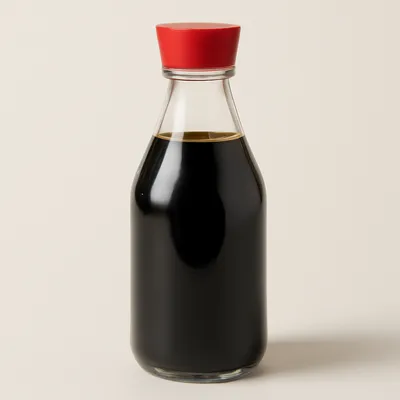


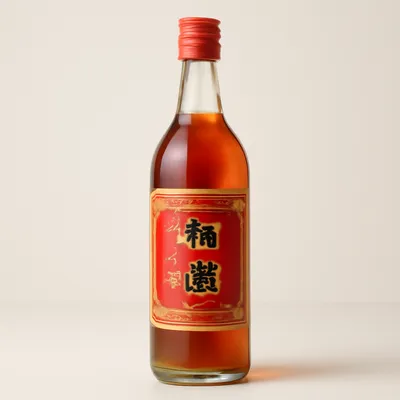
Hakka braised pork is the plain, everyday red-braise of the mainland Hakka kitchen — the dish a Hakka family cooks for an ordinary meal, as distinct from the celebratory mei cai kou rou (梅菜扣肉, preserved-mustard steamed belly) reserved for feasts and the stuffed and salt-baked specialties. It belongs to the broad family of Chinese 'hong shao' (红烧, red-braised) pork dishes found in every region, but in Hakka form it tends to be saltier and less sugar-forward than the Shanghainese or Cantonese versions, in keeping with the Hakka taste for robust, salt-driven savor born of a hard-working, hill-farming life where strongly flavored dishes carried a lot of plain rice. No founding legend attaches to it; it is simply the staple braise, valued for being reliable and deeply satisfying rather than refined.
Each cube is layered top to bottom: soft skin, a thick band of fat gone clear and jelly-soft, and a base of lean that pulls apart in threads — all lacquered in a dark, glossy sauce. The fat is the prize, melting to a silky richness with none of the greasiness it started with; the lean stays moist, having braised long in the seasoned liquid. The flavor is savory-led and salty, the soy and a little rock sugar giving it depth and a faint sweet edge and that mahogany shine, with ginger and rice wine cutting underneath. Sticky-lipped, rich, intensely savory — a few pieces and a bowl of white rice is a full, happy meal.
Three steps build it. The belly is usually blanched or browned first: a quick sear (or a dry-fry that renders some surface fat) develops flavor and firms the meat so the cubes hold their shape through the long braise. A little rock sugar is melted to a caramel before the meat goes in, or added with the liquid — the caramel deepens both the color and the savory-sweet roundness, and is what gives a proper red-braise its glossy mahogany sheen rather than a flat brown. Then it is the long, low simmer that matters: held just below a boil for the better part of an hour, the heat slowly converts the belly's tough collagen into gelatin, which is what turns the fat translucent and jelly-soft and makes the lean tender, while the sauce reduces and concentrates onto the meat. A hard boil would toughen the lean and break the fat greasy; gentle and slow is the rule, with the lid off at the end to reduce the sauce to a clinging glaze.
Variations
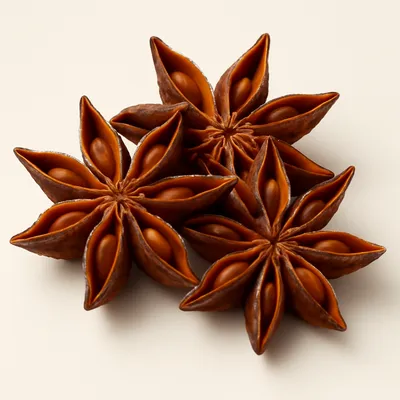
The plain braise takes well to additions that drink up the sauce: braised eggs, fried tofu puffs, dried bamboo shoots, taro, potato, or chestnuts are all common one-pot extensions. Seasoning varies — most keep it to dark and light soy with rock sugar, ginger and rice wine; some add star anise, a cinnamon stick or a few dried chilies, others a spoon of fermented bean curd or fermented black bean for a deeper, funkier note. The Hakka version generally runs saltier and less sweet than the Shanghai hong shao rou; cooks who like it richer brown the sugar harder. Its dressed-up festival cousin is mei cai kou rou, where the same belly is steamed over preserved mustard greens and turned out of the bowl.
On the Palate
Where Hakka Braised Pork sits in the Chinese flavor cloud
Ingredients
Serves 4
How it's made
6 steps · 25 min active + 55 min waiting
- 18 min
Cut pork belly into large cubes. Blanch in boiling water with a slice of ginger for a few minutes to clean it, then drain and pat dry.
- 26 min
Dry-fry or lightly brown the cubes in a little oil until the surfaces colour and some fat renders; remove excess oil.
- 34 min
Melt a little rock sugar in the pan over low heat until it turns amber, then return the pork and toss to coat in the caramel.
Watch outMelt the rock sugar just to amber before the pork goes back in — this caramel is what gives red-braise its glossy mahogany sheen; let it blacken and it turns bitter.
- 44 min
Add ginger, a splash of rice wine, dark soy for colour, light soy for salt, and hot water to nearly cover; bring to a gentle simmer.
- 548 min
Cover and braise on low heat for about 45-50 minutes, until the belly is fork-tender and the fat is translucent.
- 68 min
Uncover, raise the heat and reduce the sauce, basting the cubes, until it thickens to a dark, glossy glaze that coats the meat; scatter scallion and serve.
Watch outReduce the sauce at the end basting the cubes until it thickens to a dark, glossy glaze that coats the meat — this final reduction is what clings the flavor onto each piece.

