The signature noodle of Zhenjiang and one of the city's "three oddities," cooked by floating a small wooden lid directly on top of a large pot of boiling noodles — a small lid on a big pot. The lid holds down the churning noodles so they cook evenly and stay springy, while the broth around it never boils over and the scum is kept from clouding it. The noodles themselves are "jumped" — pressed thin under a bouncing bamboo pole — and the bowl is built on a long-simmered soy-sauce master broth dressed with toppings. Locals call it the finest bowl of noodles south of the Yangtze.


Zhenjiang lies at the meeting of the Yangtze and the Grand Canal in Jiangsu, and the pot-lid method is generally said to date to the Qing dynasty, though the dish has changed names over time. It was long known as huomian (伙面), a name traced to northern troops and migrants heading south who pooled their rations and cooked noodles together in one large pot, divided by mess group; the homophones "火面" and "荒面" also circulated. A popular tale credits the small-lid trick to a noodle-shop wife who, in her haste, dropped the small lid of a soup jar into the noodle pot during the Qianlong Emperor's southern tour — but this is a marketing legend, not documented history. In fact the name "pot-lid noodles" itself is only some thirty-odd years old, and the slogan "three oddities of Zhenjiang" was coined around 1979; what is established is the local technique and its 2009 listing as Jiangsu provincial intangible cultural heritage.
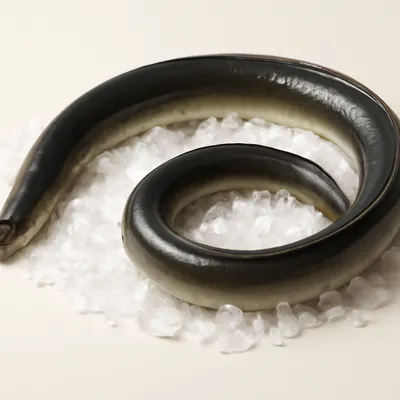
A bowl of thin, springy wheat noodles in a deep brown, soy-scented broth that carries a faint sweetness and a whisper of clean woody aroma from the fir lid. The noodles have real chew and a slightly porous surface that drinks up the broth, so each strand tastes of the soup rather than just of flour. Over the top sit the chosen garnishes — sliced eel, jellied pork (yaorou), pork kidney, shredded pork with pickled greens — and the whole bowl eats brisk and savoury, the kind of thing Zhenjiang sits down to for breakfast.
The floating lid is the whole trick. A large pot of water churns hard, but the small wooden lid riding on the surface presses down on the rolling noodles and pins them roughly in place, so they cook through evenly instead of tangling and tearing in the convection. Because the lid is smaller than the pot, the water boils freely around its rim without spilling over, while any scum that rises meets the underside of the lid and is held down rather than scattering into the broth — which is what keeps the soup clear. Many cooks use fir (shanmu), which lends a slight woody fragrance. The noodles get their bite from being "jumped": kneaded dough is pressed under a thick bamboo pole that a worker straddles and bounces on, walking it back and forth so the dough is worked evenly for an hour or more — this develops the gluten and leaves a faintly porous strand that grips the broth. The base is a soy-sauce master broth, simmered long with spices; the toppings are blanched to order in the same noodle pot.
Variations
Toppings are where each shop competes — a Zhenjiang noodle house typically offers ten or more and sometimes thirty-plus, from eel strips, jellied pork and kidney to braised beef, intestine, liver, trotter, sausage and dry tofu, or just plain noodles (guangmian) for purists. The master broth recipe is closely guarded and varies from shop to shop, some building it on local yellow-bean soy sauce with a long roster of spices and dried seafood. Noodle width runs from fine to extra-wide, with medium the everyday choice, and Zhenjiang's famous aromatic vinegar is set on the table to add at will.
On the Palate
Where Zhenjiang Pot-Lid Noodles sits in the Chinese flavor cloud
Ingredients
Serves 2

How it's made
8 steps · 30 min active + 10 min waiting
- 120 min
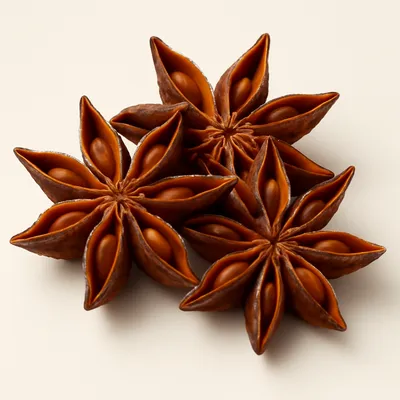
Simmer a soy-sauce master broth: build a base of dark and light soy sauce with ginger, scallion, star anise and other spices, and let it cook down until deep and fragrant.
- 21 min
Ladle some of the hot master broth into each serving bowl as the base.
- 33 min
Bring a large pot of water to a rolling boil and float a small wooden (fir) lid on the surface.
Watch outGet the water to a full rolling boil before floating the small wooden lid on top — the lid needs churning water to press the noodles down against; a lazy simmer won't pin them.
- 43 min
Drop in the jumped noodles in portions and let the floating lid hold them down as they cook.
- 52 min
Skim and let the lid pin down any scum so the water stays clear; cook the noodles until springy but still firm.
Watch outKeep skimming and let the lid trap the rising scum against its underside — that's what keeps the soup clear; pull the noodles while they're still springy with a firm core, before they go soft.
- 63 min
Blanch the chosen toppings — eel, jellied pork, kidney or pickled-green pork — in the same pot until just done.
- 71 min
Lift the noodles straight into the broth-filled bowls and arrange the toppings on top.
- 81 min
Finish with a little scallion and serve, with aromatic vinegar on the side.
Archive tool suggestions — not reviewed
These legacy suggestions have not been evidence-reviewed and are not presented as required tools.