
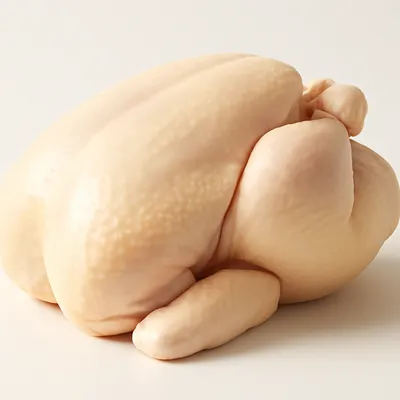
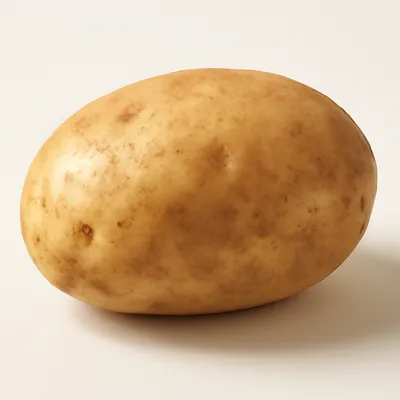
A spicy claypot of chicken, usually sold as 重庆鸡公煲, built on the dry-wok and hotpot idiom of Sichuan-Chongqing cooking. A whole chicken is chopped on the bone, marinated, then stir-fried and braised with a heavy spice-and-bean-paste base and chunks of potato, celery, and onion until the meat is tender and slicked in red oil. It is brought to the table in a clay pot set over a portable flame, and eaten in two stages: first the chicken and vegetables are stirred and simmered down and eaten dry-pot style, then broth — plain or má-là — is added so the diners can blanch tofu skin, wide noodles, mushrooms, and greens in it like a hotpot. The flavor is oily, fragrant, and numbing-hot, eaten over rice.



Despite the 重庆 ('Chongqing') in its usual name, this is a modern restaurant-chain dish of contested origin, and it is not a traditional Chongqing dish — Chongqing locals largely do not recognize it, and there were almost no 鸡公煲 shops in the city itself. Sources agree only that it is an out-of-town hybrid of two Chongqing dishes, 烧鸡公 (braised whole chicken) and 干锅鸡 (dry-wok chicken), worked up in the early 1990s and popularized in Shanghai. Beyond that the accounts conflict and none is settled. A widely cited report from Fujian's 海峡都市报 credits Wu Jinfang (吴金芳) of Duli village, Changtai, Putian, who moved to Shanghai in 1991 and, after several months adapting Chongqing flavors to local tastes, created the dish; Putianese came to run the great majority of 鸡公煲 shops nationwide. A separate and popular account holds that the '重庆' is not the city at all but the personal name of a founder surnamed Zhang (张重庆), with the first Shanghai restaurant carrying '鸡公煲' in its name registered in 1992; the earliest shop using the full name 重庆鸡公煲 has been traced to Dalian around 2000. A further claim attributes it to a Chongqing cook surnamed Li. Because the founder and year are genuinely not agreed (确切起源众说不一), no single pedigree is asserted here; what is certain is that the dish spread from Shanghai, not from Chongqing, and that 鸡公 simply means a cock/rooster in several southern and Sichuan-Chongqing dialects.
The clay pot reaches the table still bubbling over its flame, brick-red and slicked with oil, the chicken half-buried among potato, celery, and onion. The on-bone chicken is the point: cut small so it cooks fast and stays juicy, the meat clinging to the bone, chewy-tender and soaked through with the bean-paste-and-spice base rather than dry. The first taste is má-là — chili heat over the tingling numbness of Sichuan peppercorn — backed by the deep savory funk of fried doubanjiang, the sweetness of softened onion, and the starch of potato that has drunk up the red oil. As the pot simmers down it grows richer and saltier; then the added broth turns it milder and soupy for blanching tofu skin, wide noodles, and greens. Done well the chicken is tender and deeply seasoned and the oil fragrant, not greasy; done badly the chicken is hacked into clumsy bony shards, overcooked to dryness, or the base tastes of nothing but raw chili heat and salt.
The dish works by stacking two cooking methods in one pot. First the chicken is chopped small on the bone — small pieces give more surface for the seasoning to grip and cook through fast while the bone keeps the meat moist and adds gelatin to the sauce — and marinated, then dry-fried over high heat so the surface browns and the rendered fat and skin develop Maillard aroma. The base is the engine: doubanjiang (chili-bean paste), dried chili, Sichuan peppercorn, and aromatics, fried in oil — often a pre-made 老油, seasoned oil reused from earlier batches — until the oil turns red and fragrant. Heat is what unlocks the flavor: the chili's capsaicin and the Sichuan peppercorn's hydroxy-alpha-sanshool (the source of the tingling 麻) are oil-soluble and release fully only at frying temperature, so they must be cooked in the hot oil rather than merely steeped. The browned chicken and hard vegetables are then braised in this base until the potato softens and everything is coated; serving over a flame holds the pot at a simmer, slowly concentrating the sauce. The two-stage eat is built into the method: the first stage is essentially a 干锅 (dry pot) reducing down, and adding broth at the end converts the same seasoned base into a hotpot for blanching more ingredients, getting two meals from one pot.
Variations
The base ranges from full má-là through a milder spicy-fresh (香辣) version for places that can't take the heat, down to a 不辣 (no-chili) pot for children and the south; chains tune the recipe heavily to local taste, which is how it conquered the Jiangsu-Zhejiang-Shanghai market. Vegetables are flexible — potato, celery, and onion are near-constant, with carrot, green pepper, lotus root, or konjac added; the second-stage blanch typically offers tofu skin (腐竹), wide sweet-potato noodles (宽粉), enoki, and leafy greens. Some shops sell it strictly dry-pot with no broth added; others ladle in má-là or plain stock as standard. The dish stands among its Chongqing parents and cousins — 烧鸡公 and 干锅鸡 that it was spun from, and the broader family of claypot and dry-pot chicken — but as a chain product its 'authentic' version is whatever a given brand has standardized.
On the Palate
Where Chicken Claypot (Jigongbao) sits in the Chinese flavor cloud
Ingredients
Serves 4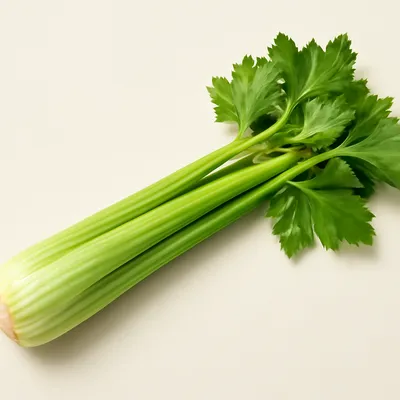



How it's made
8 steps · 40 min active + 10 min waiting
- 122 min
Chop a whole chicken into small pieces on the bone, rinse, and drain. Marinate with salt, Shaoxing wine, light soy sauce, oyster sauce, ginger, and a little cornstarch for about 20 minutes.
- 26 min
Cut potato, celery, and onion into chunks; soak tofu skin and glass/wide noodles for the later hotpot stage.
- 35 min
Heat oil (or a seasoned 老油) in a wok and dry-fry the marinated chicken over high heat until the pieces are browned and the surface tightens; push aside or remove.
Watch outDry-fry the chicken over high heat until browned and the surface tightens — this Maillard crust builds the deep savour before the braise.
- 44 min
In the same oil over medium heat, fry doubanjiang, dried chili, Sichuan peppercorn, garlic, ginger, and dried spices until the oil turns red and fragrant.
Watch outFry the doubanjiang and dried chili in the fat until the oil turns red and fragrant — that red oil is the engine of the whole pot.
- 54 min
Return the chicken, add a little rock sugar and soy for color, then the potato and other hard vegetables; stir to coat and pour in just enough hot water or stock to braise.
- 612 min
Braise until the chicken is tender and the potato is soft and the sauce has reduced and clings, adding the onion and celery toward the end so they keep some bite.
Watch outBraise until the chicken is tender and the sauce reduces to cling, adding onion and celery late so they keep some bite.
- 73 min
Transfer everything to a hot clay pot set over a portable flame and bring back to a simmer; serve bubbling, to be stirred and eaten dry-pot style first.
- 86 min
When the chicken is mostly eaten, pour in extra má-là or plain broth and blanch tofu skin, wide noodles, mushrooms, and greens in the pot like a hotpot.
Archive tool suggestions — not reviewed
These legacy suggestions have not been evidence-reviewed and are not presented as required tools.


