
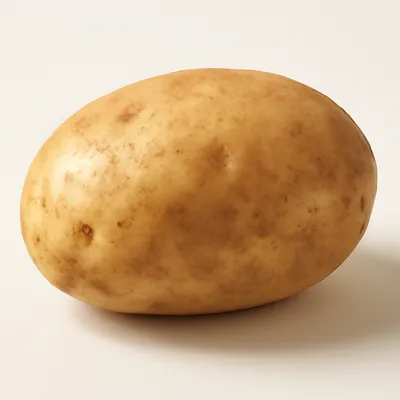
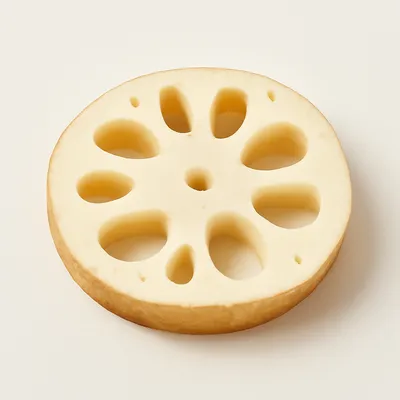
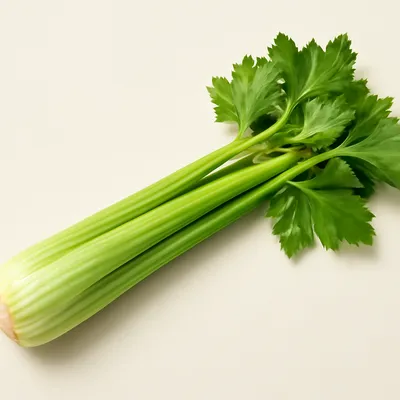
A dry-pot (gan-guo) of bullfrog: the frog jointed and stir-fried hard with dried chili, pickled chili, garlic, ginger and Sichuan peppercorn, the liquid cooked almost dry so the seasoned oil glazes the meat, then sent to the table in a small brazier kept over a low flame. Unlike a frog hotpot, nothing is cooked at the table from raw — it arrives already fried, with little broth, and the flame simply keeps it sizzling and concentrates the sauce. The white, fine frog meat slips off the bone; vegetables such as potato, lotus root, celery and tofu skin sit underneath soaking up the oil. It belongs to the Sichuan-Chongqing-Hunan dry-pot family.




Dry-pot cooking (gan-guo) is a modern restaurant category of the Sichuan-Chongqing-Hunan region, named in contrast to hotpot: a hotpot is a pot of broth in which diners cook raw food, while a dry-pot arrives already stir-fried, with little or no liquid, set over a small burner to keep sizzling and concentrate the flavor as it is eaten. Bullfrog moved from a minor ingredient to a headline one in the 2000s, when frog farming made the protein cheap and plentiful across southwestern China; restaurants pitched it as a leaner, fresher alternative to the fatty meats of hotpot. Dry-pot bullfrog sits alongside its siblings — dry-pot chicken, dry-pot rabbit, dry-pot intestine, dry-pot shrimp — and its searing technique borrows from Chongqing chili chicken and the rural Hunan dry-pot frog.
Frog jointed into thigh, drumstick and back, each piece seared in chili oil until the edges catch and the meat goes opaque white. You pick the legs up with your fingers — the meat is whiter and finer than chicken and pulls off the slim bones like fish — and find the dried chili crunch and the pickled chili's sour-bright tang clinging to every piece. The chili heat lands first, the peppercorn's numbing buzz a beat later. The little brazier keeps it sizzling, so the last bites are darker and more concentrated than the first; whatever potato or lotus root sat underneath has drunk up the best of the red oil.
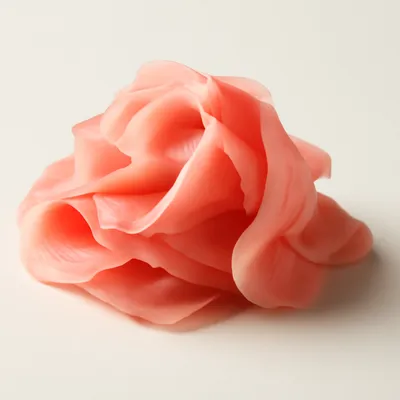
Frog leg muscle is very lean — almost no intramuscular fat — so it cooks through fast and dries out just as fast: pulling it at three to four minutes is critical, and a minute too long turns the texture from slippery to mealy. The dry-pot method suits it precisely because the sauce is reduced rather than soupy — the residual oil and chili glaze the meat as the liquid cooks off — whereas a wetter braise would dilute both the spice and the frog's delicate flavor. The pickled chili and pickled ginger in the base shift the dominant note toward a sour-fresh, mildly spicy pickled-chili aroma rather than flat dry heat, while the chili bean paste must be fried in oil until it stains the fat red and smells fragrant before the frog goes back in. At the table the low flame keeps evaporating the last of the liquid so the sauce clings to the meat instead of pooling — the defining behavior of a dry-pot.
Variations
The Chongqing dry-pot style is heaviest on dried chili and peppercorn for a dry, mala finish; a green-peppercorn (teng-jiao) base swaps in a brighter, cleaner numbing aroma; the Hunan style runs more pickled and fresh chili and less numbing. Common vegetables underneath are potato, lotus root, celery, king oyster mushroom and tofu skin. The dish belongs to a large dry-pot family — dry-pot chicken, rabbit, intestine, shrimp, cauliflower — and is distinct from a bullfrog hotpot, where broth is added and raw ingredients are cooked at the table, and from the freely-mixed mala xiang-guo, which is eaten as soon as it arrives.
On the Palate
Where Gan Guo Niu Wa sits in the Chinese flavor cloud
Ingredients
Serves 3
How it's made
5 steps · 20 min active + 10 min waiting
- 110 min
Clean and joint the bullfrog into thigh, drumstick and back pieces; marinate briefly with cooking wine, a little salt and starch.
- 22 min
Soften the frog in hot oil for under a minute and lift out, or sear it straight in the pan until the surface turns white.
- 34 min
In a little oil, fry pickled chili, pickled ginger, garlic, dried chili, Sichuan peppercorn and a spoon of chili bean paste over low heat until the oil runs red and fragrant.
Watch outFry the pickled chili and doubanjiang low and slow until the oil runs clear red and smells fragrant — rush it on high heat and the paste scorches bitter.
- 44 min
Return the frog, raise the heat, and toss for three to four minutes until just cooked and well coated; do not overcook.
Watch outToss the frog just 3 to 4 minutes to barely-cooked — a minute too long and the lean meat turns from slippery to mealy and dry.
- 55 min
Tip in pre-cooked potato, lotus root and celery to soak up the oil, reduce until almost dry, then transfer to a small pot set over a low flame and serve.


