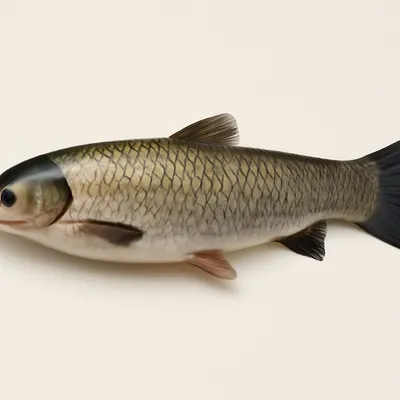
Laifeng Spicy Fish is the founding dish of Chongqing's jianghu cooking movement, born beside a post-road relay station in Bishan where travelers ate fresh-killed river fish. Grass carp is oil-blanched to firm the flesh, then braised in a brick-red base of Pixian doubanjiang, pickled chili, and pickled ginger until the sauce reduces into every piece. At the table's edge a ladle of smoking-hot rapeseed oil is poured over a bed of Sichuan peppercorn and dried chili, detonating a wave of fragrance across the room. The dish lands all five marks it is known for — numbing, spicy, fresh, fragrant, tender — and that final hot-oil pour became the signature move that every subsequent Chongqing jianghu classic borrowed.




Laifeng Spicy Fish comes from Laifeng Post Station, one of the four great relay stops on the ancient Chengdu-Chongqing road in Bishan district. The rivers alongside the post road supplied abundant grass carp and bighead carp, and generations of porters and merchants eating their way through the station built up a local fish-cooking tradition. Tradition holds that during the Kangxi reign of the Qing dynasty, the Deng family opened a fish restaurant at the station, fusing Jiangnan fish-braising technique — brought south by migrants during the Huguang-fills-Sichuan wave — with the local mala palate, and developed a combined oil-blanch-and-stir-fry method that became the dish's structural foundation. The dish found its modern audience after 1978. In 1981, journalist Du Yu published a piece in the Chongqing Daily recommending the Laifeng fish restaurants; city diners drove out in numbers. By 1988 the town hosted more than 120 fish restaurants; by 1993 over 160, forming the celebrated Laifeng Fish Street that sold more than a thousand jin of fresh fish daily. The 1995 Chengdu-Chongqing Expressway bypassed the old station without a ramp, gutting foot traffic and quieting the strip. In 2016 the Laifeng Fish cooking technique was inscribed on Chongqing's Fifth Batch of Municipal-Level Intangible Cultural Heritage. The dish is credited as the forerunner of the broader jianghu cooking wave: spicy rabbit, taro chicken, and Youting crucian carp all inherited its signature hot-oil-pour technique.
The fish chunks arrive drenched in a brick-red oil sauce, heavy on the chopsticks. Oil-blanching has firmed the outer surface while leaving the interior tender — one bite yields, then holds. Sichuan peppercorn lays down a broad tingle across the lips first; the lactic tartness of fermented pickled chili follows, then the scorching burn of dried chili, with the deep savory ferment of doubanjiang trailing as the finish. Before anyone lifts a chopstick, the dish announces itself: when the smoking oil hits the dried chili and peppercorns tableside, the fragrance erupts and fills the room — the most performative moment in Chongqing jianghu cooking.
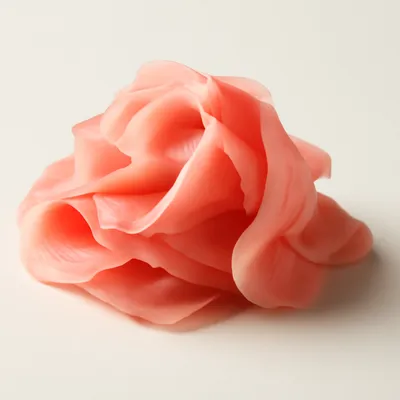
The dish is built on three layered techniques. First, oil-blanching: when the fish chunks hit 70%-hot oil, the surface protein sets into a firm skin within seconds, structurally preventing the pieces from disintegrating during the later braise — this is why jianghu cooking uses heavy oil, not merely for richness but as a textural scaffold. Second, the aromatic base: Pixian doubanjiang, fermented for months from broad beans and chili, is slow-fried until it releases its deep-red oil and concentrated free amino acids, building the color and umami foundation; pickled chili and pickled ginger, transformed by lactic-acid bacteria fermentation, add a layered tartness that lifts the heavy mala. Third, the finishing pour: near-smoking rapeseed oil poured over a dry bed of Sichuan peppercorn and dried chili volatilizes linalool and limonene from the peppercorn husks in an instant, while driving fat-soluble capsaicin across the fish surface via the hot oil carrier — a second, upper stratum of mala that lands on top of the braised base. This炝油 (chàng yóu) technique, separating the aromatic layering into two distinct heat events, is the structural innovation that set Laifeng Fish apart and became the template for Chongqing jianghu cooking at large.
Variations
The fish is never locked to one species — grass carp, bighead carp, and snakehead are all used, with the one rule being that it must be killed to order. Flavor profiles have branched far beyond the classic mala: pickled-greens, tomato, silken-tofu, young-ginger, and fermented-black-bean versions each have loyal followings, and local restaurants around Bishan now count well over two hundred fish preparations in their repertoire. Old-guard kitchens in Bishan insist on refined rapeseed oil, which carries a distinctly toasty, vegetal note the dish's regulars claim is identifiable in the first bite; city chains substitute neutral oil. Home cooks often skip the oil-blanch step, stir-frying the raw fish directly in the aromatic base — quicker, but without the firm outer texture that defines the restaurant original.
On the Palate
Where Laifeng Spicy Fish sits in the Chinese flavor cloud
Ingredients
Serves 4


How it's made
8 steps · 25 min active + 10 min waiting
- 112 min
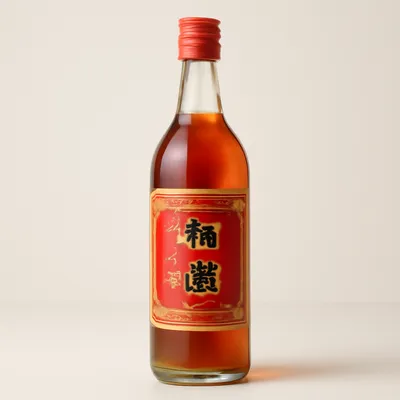
Kill a live grass carp to order, clean it, and cut into 4 cm bone-in chunks. Rinse well under cold water, pat dry, and marinate 10 minutes with Shaoxing wine, a pinch of salt, and several slices of fresh ginger.
- 25 min
Heat a generous pour of rapeseed oil in a wok to 70% heat (about 170°C). Slide in the fish chunks and oil-blanch, turning once, until the surface is set firm and the pieces are roughly 80% cooked through. Lift out and drain on a rack.
Watch outSlide the fish into 70%-hot oil, about a hundred seventy degrees, and let the surface set into a firm skin before you move it — that skin keeps the pieces whole through the braise.
- 33 min
Pour off most of the oil, leaving about 3 tablespoons. Set heat to medium-low, add Pixian doubanjiang, and stir-fry 2 minutes until the oil turns deep red and the paste smells fragrant and cooked-through.
- 42 min
Add pickled chili, pickled ginger, sliced fresh ginger, and smashed garlic. Stir-fry 1 minute until everything softens and the aromatics layer into a complex, tangy-savory smell.
- 52 min
Return the fish chunks to the wok. Pour in enough hot water or broth to just barely cover; bring to a boil over high heat, then reduce to medium.
- 66 min
Braise 5 to 6 minutes, shaking the wok rather than stirring to keep the pieces intact. Season with salt and a small pinch of sugar; the sauce should reduce to a coating consistency.
Watch outShake the wok instead of stirring so the chunks stay intact; reduce only to a coating sauce, not dry.
- 71 min
Pile sliced scallion into a large, deep-rimmed serving bowl. Transfer the fish and ladle the sauce over. Arrange a thick layer of dried chili segments and Sichuan peppercorns across the surface of the fish.
- 82 min
In a small pan, heat 4 tablespoons of rapeseed oil until wisps of smoke appear. Pour it over the dried chilies and peppercorns in one swift, decisive pour — the hissing roar is the dish's signature. Garnish with cilantro and serve immediately.
Watch outHeat the finishing oil until it just wisps smoke, then pour it over the chilies and peppercorns in one decisive go — the loud sizzle is the signal it's hot enough to bloom them.


