
A pile of hard-shell crab, chopped through the shell and fried down with dried chili, Sichuan peppercorn, ginger, scallion and chili bean paste until the seasoned oil glazes every piece. It belongs to the Chongqing-Sichuan jianghu (river-and-lake) school of bold, oil-and-chili home cooking, and went nationwide in the early 2000s. The shell is eaten with the hands; the spiced oil left in the pot is the point. Today the young-generation chains have rebranded the same idea as a one-pot crab claypot (rou-xie-bao), stacking the crab over soaked vermicelli, potato and lotus root.
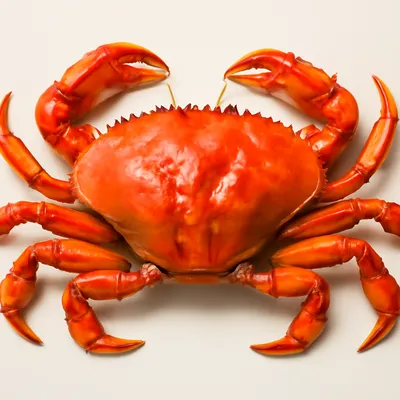




Spicy crab grew out of the jianghu-cuisine wave that came out of Chongqing in the 1980s and 1990s — the same lineage of heavy-oil, heavy-chili cooking that produced Laifeng fish, Gele Mountain chili chicken and the spicy-shrimp dishes. It is a modern restaurant dish with no single documented inventor. It went nationwide in the early 2000s: the Guangtou (Bald-Head) Spicy Crab chain had several Chengdu outlets by 2001, and around 2004-2005 the spicy-crab market peaked across the country. In the 2010s the format was repackaged by claypot-crab chains aimed at younger diners — the best-known, Panggeliang, began in 2008 in Haiyan, Zhejiang as a roadside crab shop and pushed into first- and second-tier cities from 2014 — turning a stir-fry into a sit-down, share-a-pot social meal.
Crab chopped through the shell so the meat soaks up the chili oil at every cut, then fried with a fistful of dried chili and peppercorn until the shells go deep red and faintly crisp at the edges. You pull the pieces apart with your fingers, suck the spiced oil out of the joints, and chase it with the sweet, dense meat underneath. The numbing buzz of peppercorn arrives a beat after the chili heat. The claws are worth cracking last; whatever vermicelli or potato sat under the crab has drunk up the best of the sauce.
Chopping the crab through the shell is what lets a surface stir-fry season the inside: the exposed cut faces give the chili oil a way in, while the shell shields the meat from drying out over high heat. The pieces are usually dusted with starch and flash-fried first, which sets the meat and seals the cut edges so the crab stays juicy through the long stir-fry. The chili bean paste must be fried in oil until it stains the fat red and smells fragrant — that cooks off its raw edge — before the crab goes back in. The chili supplies the heat and the Sichuan peppercorn the numbing buzz; the two together are the mala backbone. The dish is kept dry-style, the liquid cooked down so the seasoned oil clings to the shell rather than pooling.
Variations
The Chongqing-Sichuan version leans hardest on dried chili and peppercorn for a dry, mala finish; coastal cooks use sea crab — swimming crab or mud crab — instead of river crab, and some Cantonese-influenced shops cut the heat and lean savory. The biggest modern offshoot is the claypot crab (rou-xie-bao): the same seasoned crab piled over soaked mung-bean vermicelli, potato, lotus root and tofu skin, kept boiling at the table so the starches soak up the sauce, then a hotpot broth added to the leftover base to cook more ingredients. Spicy shrimp and spicy crayfish are siblings cooked the same way.
On the Palate
Where Xiang La Xie sits in the Chinese flavor cloud
Ingredients
Serves 3


How it's made
5 steps · 25 min
- 110 min
Clean the crab: lift the top shell, remove the gills, stomach and intestines, and chop the body into two or four pieces through the shell, lightly cracking the claws.
- 25 min
Pat the cut faces dry, dust the pieces with a thin coat of potato starch, and flash-fry in hot oil until the shells turn red and the cut edges seal; lift out.
Watch outFry the dusted pieces until the shells flush red and the cut faces seal over — that sealed edge locks the juices in through the long toss.
- 33 min
In a little oil, fry ginger, garlic, scallion whites, dried chili and Sichuan peppercorn over low heat until fragrant, then add chili bean paste and fry until the oil runs red.
Watch outFry the doubanjiang low and slow until the oil runs red and smells fragrant — that cooks off its raw edge; rush it and the sauce tastes harsh and raw.
- 44 min
Return the crab, raise the heat, and toss with cooking wine, a pinch of sugar and salt until every piece is coated.
- 53 min
Cook down until almost dry so the seasoned oil clings to the shell, finish with scallion greens, and serve (for claypot style, tip over soaked vermicelli, potato and lotus root in a pot kept over a flame).
Watch outCook it down until almost dry so the seasoned oil clings to every shell — a wet pan means the flavor sits in the sauce, not on the crab.


