Bishan Stir-Fried Rabbit is the signature dish of Bishan District, Chongqing — rabbit chopped small, blanched to remove gaminess, then tossed in a blazing wok with Pixian doubanjiang, Sichuan peppercorn, and dried chili until each piece is coated in brick-red oil. The meat is lean and close-grained, carrying the classic má-là double punch of deep chili heat and electric pepper tingle. A centerpiece of Bishan banquet tables, where the local saying holds: no feast is complete without rabbit.
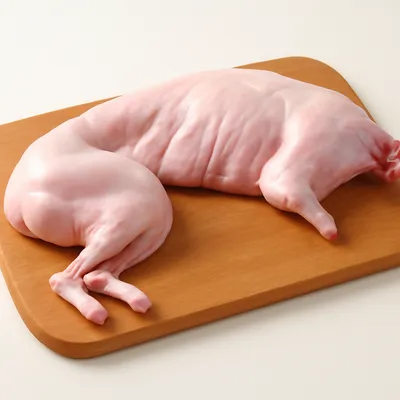




The history of rabbit-eating in Bishan stretches back roughly two thousand years: Han-dynasty cliff tomb stone coffins unearthed in the 1980s at Mafang, Dingjia, and Guangpu carry carved scenes of raising, slaughtering, and roasting rabbits over open flames. By the Ming and Qing dynasties, Bishan had become a key waystation on the Chengdu-Chongqing trade road, and its food culture flourished with passing merchants. After the county was re-established in 1728 (Yongzheng 6th year), a Dingjia local innovated the 'white-chopped rabbit' (白砍兔): whole rabbit simmered in seasoned broth, cooled, cleaver-cut, and eaten with dipping sauce — fast, simple, and flavorful enough to spread quickly among traveling merchants. By the late Qing, Dingjia Street held several specialty shops. During the Anti-Japanese War, as universities and government agencies relocated to Dingjia, Zhou Enlai and General Feng Yuxiang both praised the dish after tasting it. After 1978, roadside eateries along the Chengdu-Chongqing highway shifted rabbit from cold dish to hot stir-fry, building on a base of Pixian doubanjiang and Sichuan peppercorn — the form that now defines Bishan rabbit.
The rabbit is chopped thumb-sized so every surface soaks up the brick-red doubanjiang oil. First bite hits with the rounded heat of Pixian bean paste and dried chili; Sichuan peppercorn then spreads an electric tingle across the lips and tongue — the má-là double act arriving in waves. The meat is lean and close-grained, tender from the blanch and briefly braised, with a faint wok-char at the edges from high-heat tossing. Served with celtuce, whose cool crunch cuts the fire cleanly after each piece.
The flavor base of Bishan rabbit is the low-heat doubanjiang frying: Pixian bean paste — long-fermented from broad beans and chili — releases its ester aromatics and glutamate compounds only when stirred in hot oil for two to three minutes, turning the oil brick-red and fragrant. Sichuan peppercorn's numbness is tactile rather than gustatory: hydroxy-alpha-sanshool in the pericarp activates TRPV1 receptors and low-threshold mechanoreceptors in the skin of the lips, producing a vibration sensation at roughly 50 Hz that layers with capsaicin heat into the signature má-là effect. Rabbit is among the leanest meats (roughly 1% fat), so a prior blanch removes blood and gamey odors before the high-heat wok-fry, where Maillard reactions across the meat surfaces create a char-fragrant crust while the low fat content keeps the interior from drying out.
Variations
Bishan rabbit today encompasses nearly a hundred preparations in two broad branches. The cold branch descends from the original white-chopped style (白砍兔): poached in salted broth, cooled, cleaver-cut, dressed with a numbing-spicy sauce; the Caizhu brand's version of this technique was inscribed as Chongqing intangible cultural heritage in 2014. The hot branch spans dry-wok and red-braised stir-fry, plus pickled-chili rabbit (泡椒兔, fermented red chili in place of dried, yielding a sour-hot note), young-ginger rabbit (子姜兔, fresh ginger as the lead aromatic, sweet heat), and 'jumping water' rabbit (跳水兔, thin-sliced meat poached tableside in broth, diners control the dip sauce). The Liaoji Xiangsi brand takes a roasted, vacuum-packed form with an eight-day shelf life, carrying Bishan rabbit beyond Chongqing.
On the Palate
Where Bishan Stir-Fried Rabbit sits in the Chinese flavor cloud
Ingredients
Serves 4
How it's made
7 steps · 25 min
- 120 min
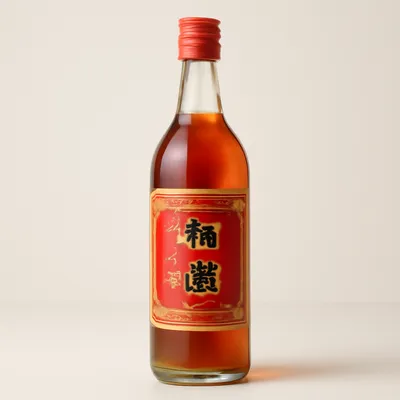
Chop the rabbit into bite-sized pieces (about 3 cm). Rinse under cold water, then marinate with Shaoxing wine, sliced ginger, and ½ tsp salt for 20 minutes.
- 23 min
Bring a pot of water to a boil. Add rabbit pieces and blanch for 2–3 minutes, skimming foam as it rises. Drain, rinse under cold water, and pat dry with kitchen paper.
- 35 min
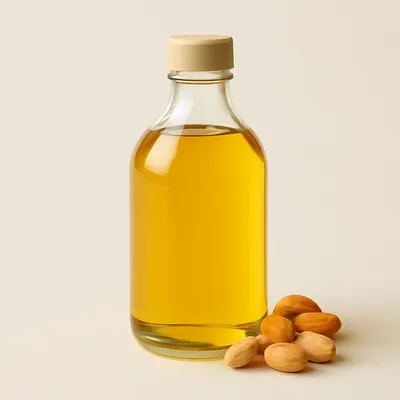
Heat 3 tbsp peanut oil in a wok over medium-high heat until shimmering. Add rabbit pieces and stir-fry, turning frequently, for about 5 minutes until surfaces are lightly golden and water has evaporated. Remove and set aside.
Watch outStir-fry the rabbit until the surface is lightly golden and the water has flashed off — leftover moisture steams the meat instead of searing it.
- 42 min
Reduce heat to medium-low. Add 1 tbsp peanut oil to the wok, then add Doubanjiang. Stir-fry for 2 minutes until the oil turns brick red and the paste is deeply fragrant.
Watch outFry the doubanjiang low and slow until the oil turns brick-red and smells deep — high heat here scorches the paste bitter.
- 52 min
Add ginger slices, crushed garlic, dried chili segments, and Sichuan peppercorn. Stir-fry over medium heat for 1–2 minutes until aromatics bloom and the kitchen fills with toasted chili fragrance.
- 69 min
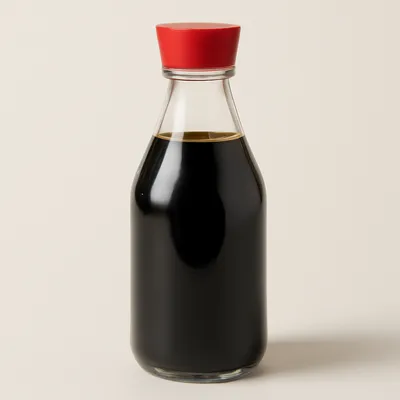
Return rabbit to the wok. Splash in Shaoxing wine and add dark soy sauce. Raise heat to high and toss vigorously for 8–10 minutes until the sauce reduces to a glossy, brick-red coat on every piece. Add a small splash of water if the pan gets too dry.
Watch outToss on high until the sauce reduces to a glossy brick-red coat on every piece; splash a little water if the pan runs dry.
- 71 min
Scatter scallion over the top, toss once to combine, and plate immediately while sizzling.


