A classic Sichuan dry-fried dish in which beef cut into fine slivers is patiently fried over a falling heat until it gives up its water and turns dark, chewy and dry — never wet-cooked. Celery and dried chili go in once the meat is parched, with doubanjiang and a final scatter of ground Sichuan peppercorn. There is no sauce: each sliver carries only a thin film of red, fragrant oil. The result is savory, dry-fragrant and numbing-hot, with the deep chew that only true dry-frying gives.
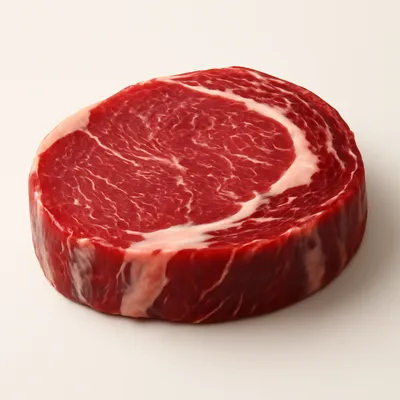
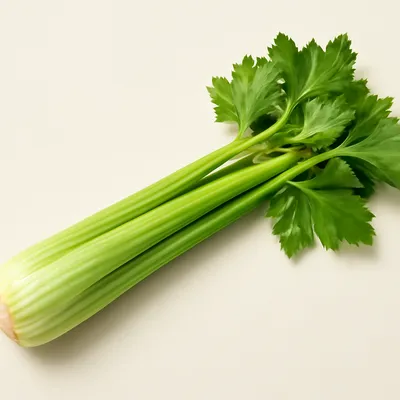



Dry-frying (gan bian) is one of Sichuan's defining techniques — cooking an ingredient's moisture out in the wok rather than braising or saucing it — and dry-fried beef slivers are among its best-known savory dishes, recorded in the standard Sichuan home-cooking manuals. Its origin is not tied to a single inventor or year; it belongs to the broad repertoire of Sichuan dry-fried cooking that also gives 干煸四季豆 and the cold-eaten dry-fried meats. The dish is laborious — the long, slow frying that gives it its character is exactly why it is sometimes skipped at home — and it survives as a benchmark of patience and heat control in the Sichuan kitchen.
The slivers are dark, dry and shrunk tight, each one springy and resilient with a chew that holds rather than falling apart — nothing here is tender in the soft sense. There is no gravy; a thin film of chili oil coats every strand and the celery stays crisp and green against the dry meat. Numbing Sichuan peppercorn arrives first, then the toasted heat of dried chili, then the slow savor of beef cooked down to its essence. Done right it is dry-fragrant and clean; done wrong it is either still damp and limp, or scorched bitter.
The dish is built on dehydration. Lean beef is sliced into thin slivers and dry-fried in a modest amount of oil over a heat that starts hot to seize the meat, then drops low so the strands slowly release their water without scorching. As moisture leaves, Maillard browning deepens both color and flavor and the oil works into the parched fibers, giving the signature dry chew. Doubanjiang is fried until the oil runs red and nutty; the dried chilies go in only after the surface water is gone, fried until red-brown and aromatic to release their toasted-pungent note. The ground Sichuan peppercorn is added last and barely heated — long contact with hot oil destroys the volatile sanshool that drives its tingle.
Variations
Celery is the standard partner, prized for staying crisp against the dry meat; some cooks use Chinese celery, others add carrot slivers or fresh red chili for color. Beef is classic, but the same dry-fry is applied to pork and to eel. The heat can be tuned with more or fewer dried chilies, and a splash of soy or a pinch of sugar is sometimes worked in at the end; the one constant is the long, slow frying — shortcut the moisture out with high heat alone and the slivers turn hard and bitter rather than dry-fragrant.
On the Palate
Where Dry-Fried Beef Slivers sits in the Chinese flavor cloud
Ingredients
Serves 3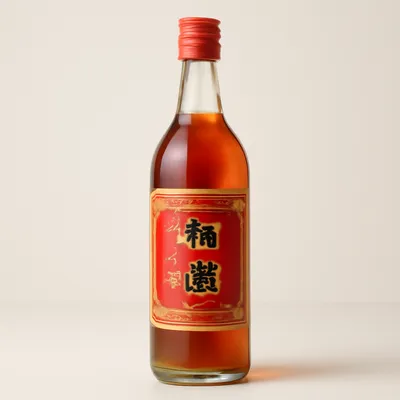

How it's made
7 steps · 30 min active + 5 min waiting
- 16 min
Slice lean beef against the grain into thin, even slivers; toss lightly with salt and a little Shaoxing wine and let sit briefly.
- 24 min
Cut celery into matchsticks of similar length; soak and seed the dried chilies if using whole, or leave them dried.
- 32 min
Heat oil in a wok until hot and add the beef slivers, frying over high heat to seize and separate them.
Watch outGet the wok hot before the beef goes in so the strands seize and separate — a cool pan makes them stew and clump grey.
- 410 min
Lower the heat and keep frying patiently, stirring, as the beef gives up its water, darkens and shrinks — this is the long, slow heart of the dish.
Watch outNow drop the heat and fry patiently as the beef sheds water, darkens and shrinks — this slow dry-out is the whole dish; rush it and it's just wet stir-fry.
- 54 min
Push the meat aside, add doubanjiang to the oil and fry until the oil turns deep red and smells nutty, then stir the dried chilies through until aromatic.
Watch outFry the doubanjiang until the oil runs deep red and smells nutty before the chilies join — that red oil is the color and savor.
- 62 min
Add the celery and toss quickly over higher heat so it heats through but stays crisp and green.
Watch outToss the celery in only briefly over high heat so it stays crisp and bright green — cook it soft and it goes limp and dull.
- 72 min
Scatter ground Sichuan peppercorn over the top, toss once to combine, and serve at once — no sauce, no thickening.


