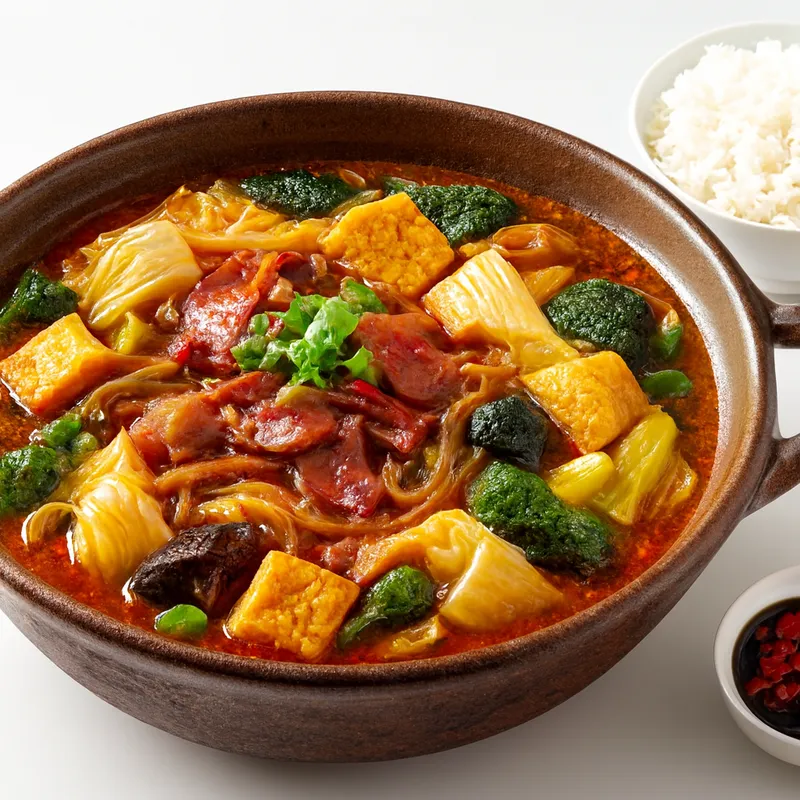
香辣虾是渝派川菜里一道以整虾爆炒的江湖菜,与香辣蟹同属一路。整只海虾连头带壳,先入热油快炸定型,再与干辣椒、花椒、姜、蒜、芹菜、洋葱大火爆炒,最后汤汁收干、料油裹壳,盛进小锅、下置小火,连锅端上桌。虾连壳吃,壳被炸得焦脆护住里头的肉,吮一口壳上的麻辣料油、再咬下弹嫩的虾肉。它走干香一路,与香辣蟹的做法如出一辙,只是把蟹换成了虾。



Spicy dry-pot shrimp belongs to the wave of jianghu dishes that came out of Chongqing in the 1980s-90s — the same heavy-oil, heavy-chili, frankly home-style line as Laifeng fish, Gele Mountain chili chicken and its closest sibling, spicy crab. It is a modern restaurant dish with no recorded inventor. The shrimp version rides in the slipstream of spicy crab, which swept the country around the turn of the 2000s, and trades on the same idea: a whole shell-on protein wok-fried hard with dried chili and peppercorn until the sauce reduces to a glaze. Cooked dry-pot, it arrives already fried with little broth, kept sizzling over a low flame; it is distinct from spicy crab (same method, crab instead of shrimp), from garlic crayfish and from oil-braised prawns.
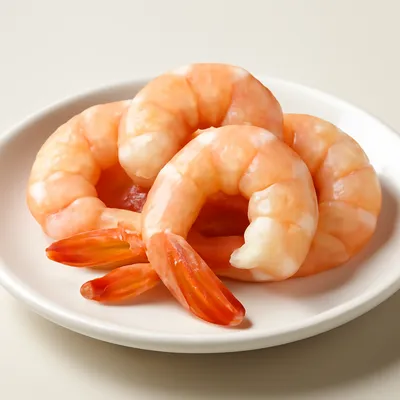
The shrimp come whole, head and shell on, the shells fried hard until they go deep red and crisp at the legs and feelers. You eat them with your fingers and your teeth: suck the spiced oil off the shell, snap the head to draw out the rich juices behind it, then bite through the thin crisp shell into the springy, sweet flesh underneath — the meat firm and juicy rather than rubbery, because the shell shielded it from the fire. Dried chili crunch and clinging red oil coat every piece; the chili heat lands first, the peppercorn's numbing buzz a beat later. The celery and onion under it have drunk up the best of the oil and eat almost as well as the shrimp.
Cooking the shrimp in the shell is the whole trick. The shell shields the meat from direct fire so it stays juicy through a hard stir-fry, while it also concentrates flavor and keeps the meat from shrinking the way peeled shrimp would; the head holds the richest of the juices, so head-on shrimp give a fuller flavor. The reddening is real chemistry: in a live shell the orange-red pigment astaxanthin is bound to a protein, crustacyanin, that holds it in a dull blue-grey complex; heat denatures the protein, frees the pigment back to its native orange-red, and the shell turns red. At the same time the high heat drives Maillard browning on the shell and the cut surfaces, the source of the toasted, roasty aroma. Speed matters: shrimp protein sets and squeezes out moisture fast, so a brief, fierce cook keeps the flesh springy and a minute too long turns it tough and dry. As with all dry-pots, the sauce is reduced rather than soupy — the seasoned oil is cooked down to a glaze that clings to the shells, and the table flame keeps the last of it evaporating so it never pools in the pot.
Variations
The dry-pot style runs heaviest on dried chili and peppercorn and reduces to a dry, sizzling glaze; a straight mala style stays wetter and more numbing; an oil-braise (you-men) keeps a glossier, soupier sauce. Glutinous rice cakes, potato or lotus root are common add-ins underneath. The dish also cross-pollinates: a Thai-style version leans sweet-sour and fragrant with lemongrass and curry, while the Cantonese typhoon-shelter (bi-feng-tang) treatment buries fried shrimp under a mound of crisp fried garlic, chili and black bean. It is closest to spicy crab — same heavy-oil dry-pot method, crab swapped for shrimp — and distinct from garlic crayfish and oil-braised prawns.
On the Palate
Where Spicy Dry-Pot Shrimp sits in the Chinese flavor cloud
Ingredients
Serves 3


How it's made
6 steps · 18 min active + 7 min waiting
- 17 min
Rinse whole head-on, shell-on shrimp; trim the feelers and legs and slit the back to pull out the vein.
- 22 min
Run the shrimp through hot oil over high heat until the shells turn red and crisp, about a minute, then lift out.
Watch outFry the shell-on shrimp just until the shells go red and crisp, about a minute — the shell shields the meat so it stays juicy; the red is the pigment freeing from its protein as it cooks.
- 33 min
Leave a little oil in the pan and fry dried chili, Sichuan peppercorn, ginger and garlic over low heat until fragrant.
- 42 min
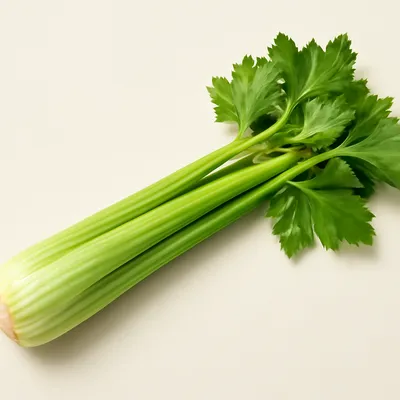
Add a spoon of chili bean paste and fry until the oil runs red, then tip in celery and onion and toss.
Watch outFry the chili bean paste until the oil runs red — that's the aroma and color releasing; underdone it tastes raw, scorched it turns bitter.
- 53 min
Return the shrimp, raise the heat and stir-fry hard to coat every piece, reducing until almost dry.
Watch outStir-fry hard and reduce until almost dry so every piece is coated — this is dry-pot; a wet, saucy finish misses the point.
- 62 min
Transfer to a small pot set over a low flame and serve sizzling, finishing with scallion.