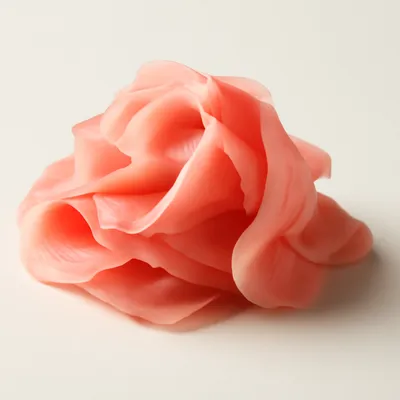
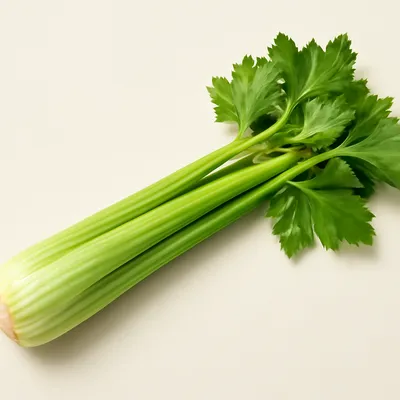
One of the signature stir-fries of Zigong's salt-faction cuisine. Pork or beef aorta — cross-scored, blanched briefly to firm the muscle, then blasted in a screaming-hot wok with pickled peppers, pickled ginger, doubanjiang, and Sichuan peppercorn — with celery thrown in for a final 30-second toss. The result is brilliant red and aromatic, with a snap-crisp bite that rings audible. Pickled pepper's tartness, doubanjiang's depth, and the electric lip-tingle of huajiao build in distinct layers — the full má-là-suān-xiān quartet, none of them shy.




Zigong, in southern Sichuan, has been China's most prolific inland salt-production centre since the Song dynasty, reaching peak output during the Xianfeng and Tongzhi eras of the Qing (1850s–1870s). Salt-well labour was gruelling and calorically punishing; workers needed food that was cheap, heavily seasoned, and filling enough to fuel a shift at the brine vats. The aorta — dismissed as offal by the merchant classes — cost next to nothing at slaughter markets. Blasted in a red-hot wok with chili, pickled peppers, and Sichuan peppercorn, it became a staple of the salt-worker's table and a cornerstone of the 盐工菜 (salt-worker cuisine) branch of Yangpai cooking. The word 火爆 names the technique itself: maximum flame, minimum time, violent toss — the wok cannon-shot that transforms a cheap offal cut into something crackling and memorable.
The plate arrives flashing red, pickled-pepper tang crossing the table before the dish lands. Chopsticks pick up a scored slice glazed in chili oil; there is a brief give, then an audible snap — that crack is the benchmark a seasoned cook chases. Crisp but not hard, springy but not chewy. Pickled pepper and ginger cut a clean tartness through the bean-paste richness; the Sichuan peppercorn tingles and lingers on the lips. Celery sticks provide a cool, green interlude between the heat and the numbing. Eat immediately — once it cools, the aorta stiffens and the moment is lost.
The aortic wall is built from smooth-muscle fibres and elastin-rich connective tissue. Elastin is heat-stable enough to survive a short blast: it contracts and tightens at high temperature without dissolving, retaining the characteristic snap. The smooth-muscle proteins denature quickly, forming dense fibre bundles — stacked on the elastin layer, this produces the crisp-with-spring texture unique to aorta. Two preparation steps underpin it: blanching (one minute in boiling water pre-denatures the proteins and firms the structure, reducing moisture release during the stir-fry) and the wok blast itself (maximum flame for under 30 seconds seals the surface without overcooking the centre). Leave it 15 seconds too long and the elastin begins to break down; the muscle fibres overtighten; what was crisp becomes rubbery. This is why 火爆 cooking tolerates no hesitation at the wok.
Variations
Pig aorta (猪黄喉) is the more common substitute — its thinner wall yields higher crunch but slightly less spring, and a milder flavour. Chengdu versions often use er-jing-tiao green peppers or pickled green chilies for a brighter colour and more floral heat profile. Chongqing variations pile on the dried chili and Sichuan peppercorn for a harder mala hit. Some home cooks skip the pickled peppers in favour of fresh bird's-eye chilies, gaining vivid colour but losing the fermented acidity that distinguishes the classic. A sweeter household adaptation adds sliced onion or garlic stems to the finish.
On the Palate
Where Wok-Blasted Beef Aorta sits in the Chinese flavor cloud
Ingredients
Serves 2How it's made
7 steps · 15 min
- 15 min
Score the aorta: clean thoroughly, split lengthwise, make shallow diagonal cross-cuts on the inner surface every 5mm, then cut into 4cm pieces.
- 23 min
Blanch: bring a pot of water to a rolling boil; add aorta pieces and blanch for exactly 1 minute; drain immediately and set aside.
Watch outBlanch exactly one minute — long enough to firm the aorta, no longer, or it toughens before it ever hits the wok.
- 33 min
Prep aromatics: cut pickled peppers and pickled ginger into slivers; flatten garlic cloves; break dried chilies in half.
- 41 min
Stir-fry the base: heat wok on maximum flame until smoking; add oil, then dried chili and Sichuan peppercorn; toss for 20 seconds until fragrant.
Watch outToss the dried chili and peppercorn just until fragrant — the second they darken past red they scorch and go bitter.
- 51 min
Add aromatics: add pickled peppers, pickled ginger, and garlic; stir-fry 15 seconds; add doubanjiang and stir-fry 20 more seconds until the oil turns red and aromatic.
- 61 min
Blast the aorta: add blanched aorta; toss constantly on maximum flame for 30 seconds; season with a pinch of salt and a splash of Shaoxing wine.
Watch outBlast the aorta thirty seconds flat over the highest flame — that snap-crisp bite lives in those seconds; drag it out and it goes rubbery.
- 71 min
Finish with celery: add celery pieces; toss 15 seconds; plate immediately and serve.


