Chrysanthemum-Cut Beef is a celebrated banquet dish from Zigong's salt cuisine tradition, rooted in the ancient river-trading town of Xianshi along the Tuojiang. Paper-thin beef slices are fanned across a serving platter in overlapping arcs, with long strips of edible white chrysanthemum petals laid between each arc of meat; pea shoots and spinach fill the center, so the whole arrangement blooms like a garden of chrysanthemum flowers. The platter is brought to the table and the simmering mala broth — built on bone stock with Zigong-style doubanjiang and Hanyuan Sichuan peppercorn — is ladled over. The chrysanthemum petals infuse the broth with a pale, faintly bitter floral note that cuts through the deep numbing heat. The combined flavor is 麻辣香嫩鲜: numbing-spicy, fragrant, tender, and fresh.



The dish cannot be traced to a single founder or founding year, but its roots are inseparable from Zigong's salt industry. During the Qing dynasty's Xianfeng and Tongzhi eras, the salt fields of the Tuojiang basin were among the most productive brine operations in Sichuan, powered largely by cattle that worked the treadmills and water wheels day and night. Retired or injured draft cattle were regularly slaughtered and sold, making beef unusually abundant and affordable in Zigong at a time when ox-slaughter was still taboo in much of rural China. Xianshi Ancient Town — a key transit point on the salt waterway — hosted the inns and restaurants that first elevated this cattle surplus into elaborate preparations. The chrysanthemum element connects to a tradition recorded in Sichuan culinary sources: chrysanthemum hot pot was listed in the Sichuan Culinary Encyclopedia as the opening entry in the hot pot chapter, described as 'best eaten in autumn and commonly used as the centerpiece soup at high-class banquets.' Zigong's salt merchant class — wealthy, competitive, and accustomed to entertaining — adopted chrysanthemum presentation as a mark of refinement that suited both their budgets and their appetite for visual spectacle. Xianshi Ancient Town remains the dish's heartland today.
The platter arrives at the table looking too composed to disturb: beef slices fanned into petal arcs around a mound of pea shoots, white chrysanthemum petals slipped between each arc. Then the bone broth is ladled in, still simmering, and the whole arrangement shifts — petals softening, meat beginning to opaque at the edges. Lift a slice into the broth with chopsticks; by the time you count to ten it is done. It yields with almost no resistance, the texture of very lightly cooked meat at its tenderest point. The broth's Sichuan peppercorn tingle is already across the lips; the chili heat arrives a half-second behind. Through both, a thread of chrysanthemum bitterness runs — not unpleasant, clean and green, like the moment a cup of floral tea opens. The pea shoots go in last, stay in for thirty seconds, and come out vivid green and faintly sweet, the quietest note in a bowl that is otherwise full of noise.
Thinness is the non-negotiable technical requirement. Beef loin sliced across the grain at two millimeters will cook through in ten to fifteen seconds in simmering broth; sliced any thicker and the exterior overcooks while the center remains raw, destroying the texture entirely. Cutting across the grain severs the myofibril bundles at their shortest interval, so the fibers snap cleanly on the tongue rather than requiring sustained chewing. Chilling the loin in a freezer for thirty minutes before slicing firms the muscle fibers just enough for a sharp knife to produce clean, even cuts without tearing. The chrysanthemum petals are added after the meat is cooked, not before: extended contact leaches too many tannins and turns the broth bitter; a brief twenty-to-thirty-second immersion releases only the lighter volatile aromatics and trace flavonoids, threading a floral note into the mala foundation without overpowering it. The mala broth itself works on two independent sensory pathways — capsaicin activates TRPV1 heat receptors for burn, while the hydroxy-alpha-sanshool in Sichuan peppercorn fires low-threshold vibration-sensitive mechanoreceptors, producing simultaneous burn and tingle that reinforce each other without merging into a single undifferentiated heat.
Variations
Some Xianshi restaurants replace the spicy red broth with a pale chicken-and-bone milk stock, moving all the heat to the dipping sauce — closer to the mild chrysanthemum banquet hot pots once served at old Chengdu high-class dinners. A local variant adds field frog legs alongside the beef slices for an extra layer of tenderness. Chrysanthemum variety matters considerably: white 'snowball' chrysanthemums are the standard — lowest bitterness, cleanest petal flavor; yellow chrysanthemum is more aromatic but noticeably astringent; other colors are considered too bitter for the pot. Contemporary Sichuan chefs have also adapted the dish into a knife-work preparation in which beef loin is scored with deep crosshatch cuts (the chrysanthemum flower-knife technique, 菊花花刀) so each block blooms into a chrysanthemum shape when deep-fried — a visually related evolution that plays on the same floral language but transforms the dish from a broth preparation into a crisp stir-fry.
On the Palate
Where Chrysanthemum-Cut Beef sits in the Chinese flavor cloud
Ingredients
Serves 4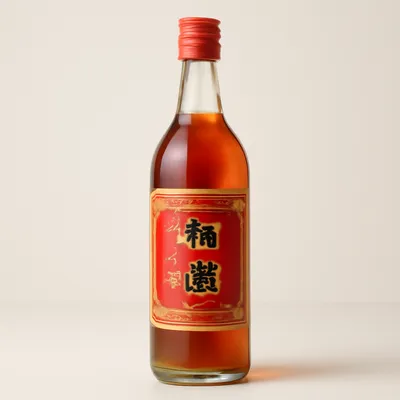

How it's made
7 steps · 35 min active + 1 hour 25 min waiting
- 190 min
Make the bone stock: put beef bones in a pot, cover with cold water, bring to a vigorous boil, blanch 5 minutes to purge blood, then drain and rinse the bones clean. Return to the pot with fresh cold water, add ginger slices, and simmer over low heat for 1.5 hours until the stock is clear and lightly rich. Strain and reserve.
- 215 min
Build the mala broth: heat lard in a wok over medium heat until shimmering. Add doubanjiang and stir-fry, scraping the base constantly, for 2–3 minutes until the oil turns deep red and the paste is fragrant. Add dried whole chilies and Sichuan peppercorn; cook 1 minute more. Pour in the strained bone stock and Shaoxing wine, bring to a boil, then reduce to a gentle simmer for 10 minutes to integrate the flavors. Season with salt and keep warm.
- 315 min
Prepare chrysanthemum petals: pluck the white petals by hand, discarding the yellow pollen center and any damaged petals. Rinse gently in cold water, then soak for 15 minutes to draw off excess bitterness. Lift out and drain without squeezing.
- 410 min
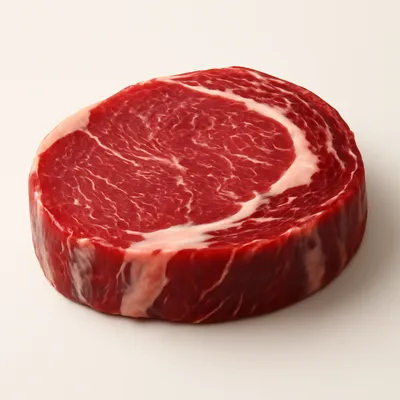
Slice the beef: place the beef loin in the freezer for 30 minutes until firm but not fully frozen. Using a sharp knife, slice the loin very thinly across the grain at approximately 2mm. Keep the slices separated on a clean tray.
Watch outChill the loin thirty minutes then slice across the grain at about 2mm — any thicker and the outside overcooks before the center sets.
- 510 min
Arrange the platter: on a large round serving platter, fan the beef slices in overlapping arcs to form petal shapes, building out from the center. Lay long strips of white chrysanthemum petals between every two arcs of meat to complete each flower. Mound pea shoots and spinach in the platter's center. The finished arrangement should resemble a field of open chrysanthemum blooms.
- 65 min
Cook the meat: transfer the mala broth to a clay pot or deep sauté pan on a portable burner at the table and bring to a rolling boil. Using chopsticks, slide the beef slices in a few at a time; agitate gently and remove the instant the pink disappears — about 10–15 seconds per batch. Transfer to individual bowls and ladle a little hot broth over each.
Watch outSlide the beef in a few slices at a time and lift the instant the pink vanishes — ten to fifteen seconds, no more, or it toughens.
- 75 min
Finish with petals and greens: drop the chrysanthemum petals into the simmering broth; let them float for 20–30 seconds only, until just softened. Add pea shoots and spinach for a further 30 seconds until barely wilted. Ladle the broth, petals, and greens over the meat bowls and serve immediately.
Watch outFloat the petals only twenty to thirty seconds, just until softened — leave them longer and they collapse and go bitter.

