
Soft round rice noodles in a milky lamb broth, laid with thin slices of cooked lamb and finished with a scatter of roasted ground chili (糊辣椒) and Sichuan-pepper powder. It is one of Guizhou's defining everyday meals, with Zunyi and Shuicheng among its best-known schools. The roasted chili gives a smoky, fragrant heat rather than raw spice. In recent years chains such as Rongshanhe have carried the Shuicheng style out of the province on a strong wave of short-video buzz.



Guizhou lamb rice noodle is centuries old — the Zunyi style is generally credited with more than three hundred years of history and was already famous by the mid-Qing. Across the province it settled into four main schools, each differing in how it handles chili and builds its broth: Zunyi (the Xiazi tradition), Shuicheng in Liupanshui, Jinsha in Bijie, and Xingyi in the southwest. Its modern surge is a chain story: Rongshanhe, founded in Guizhou in 2021 around the single dish of Shuicheng lamb noodle, leaned on standardized central-kitchen prep and short-video marketing to spread to several hundred outlets across Guizhou, Yunnan, Hunan and beyond within a few years.
The broth is the giveaway — milky white and rich, simmered long off lamb bones, warming without smelling gamey because the lamb has been blanched clean first. The rice noodles are soft and slippery, blanched just to heat through so they soak up the soup. On top, thin slices of lamb and that spoon of roasted ground chili, which floats up smoky and fragrant rather than sharply hot. A handful of cilantro and scallion goes over, and you eat it scalding, on a damp Guizhou morning, before the chili settles.
Two things carry the dish: the white broth and the roasted chili. Lamb bones are simmered hard and long so collagen breaks down to gelatin and fat emulsifies into the water, scattering light into the opaque, milky color and lending the soup its body — the same mechanism behind any long-boiled white bone broth. The chili is dry-roasted, not fried in oil: heating the dried pods drives Maillard browning and toasts their aromatics, turning raw pungency into a smoky, nutty fragrance before they are crushed to powder. Blanching the lamb first removes the blood and volatile compounds responsible for the muttony smell, leaving the broth clean.
Variations
The four schools diverge mainly on chili and broth: Zunyi-Xiazi leans on a red chili oil; Shuicheng runs a richer, milkier soup and is the style most chains push; Jinsha and Xingyi each tune their own balance of heat and stock. Roasted ground chili (糊辣椒) is near-universal as the finishing seasoning. Some shops add a chili-oil dipping sauce on the side, and a bowl is often eaten with a fried dough stick or a small flatbread.
On the Palate
Where Guizhou Lamb Rice Noodle sits in the Chinese flavor cloud
Ingredients
Serves 4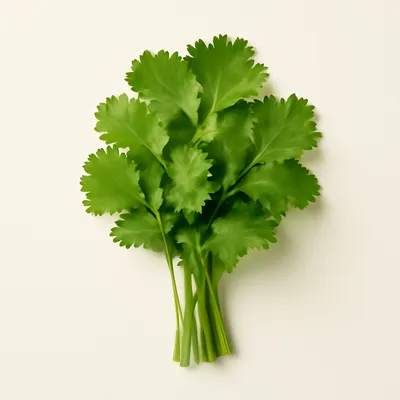

How it's made
6 steps · 2 hours 30 min
- 110 min
Blanch the lamb and bones in cold water brought to a boil, skim off the scum, then drain and rinse clean.
- 2150 min
Simmer the bones and lamb hard in fresh water with ginger and spices for two to three hours until the broth turns milky white.
Watch outKeep the bones at a hard rolling boil for the full 2-3 hours — that vigorous churn is what emulsifies the fat and turns the broth milky white; a gentle simmer stays clear.
- 330 min
Lift out the cooked lamb, press it under a weight to cool and firm, then slice it thin.
- 410 min
Dry-roast the dried chilies in a pan with no oil until crisp and fragrant, then crush them to a coarse powder.
Watch outDry-roast the chilies with no oil until crisp and smoky-fragrant, pulling them just as they darken — a shade too far and they go bitter.
- 53 min
Blanch the rice noodles in boiling water just until hot through, drain, and pile into a bowl.
Watch outBlanch the rice noodles only until hot through — a few seconds too long and they turn mushy in the hot broth.
- 62 min
Lay the sliced lamb over the noodles, ladle the hot white broth over, and finish with roasted ground chili, Sichuan-pepper powder, cilantro, and scallion.


