
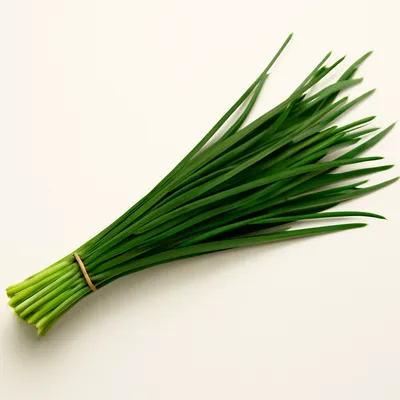
A tart, cooling summer noodle of southeastern Gansu — Longnan, Tianshui, and Pingliang — built on jiangshui, a thin lacto-fermented brine. Leafy greens such as celery, sow thistle (kuju), or alfalfa are blanched and steeped in cooled, oil-free flour-water with a little old jiangshui as a starter, then left to sour for several days. Hand-cut or hand-pulled wheat noodles are boiled, drained, and served either in the cold jiangshui broth or with the broth ladled over, finished with a sizzle of hot oil bloomed with scallion or Chinese chives. It is sour, faintly fizzy, and refreshing, eaten to beat the summer heat.

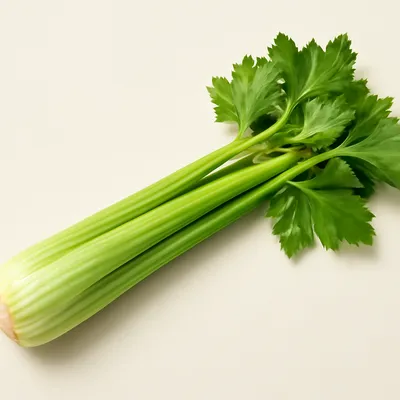



Jiangshui — literally 'starch water' — is a household ferment of the upper Wei and Jialing river country, common across central and southern Shaanxi (Guanzhong, southern Shaanxi) and southeastern Gansu (Longnan, Tianshui, Pingliang). It almost certainly arose from frugal use of the cloudy water left from cooking grain and the brine of soured vegetables, but it has no recorded inventor or date; popular tales tie it to figures from Liu Bang to the Tang court, and these are folk attributions rather than documented history. The Tianshui style is noted for fermenting wild greens — sow thistle, alfalfa, shepherd's purse — alongside celery and cabbage. Each household keeps its own crock going, topping it up rather than starting fresh, so the flavor is carried forward like a sourdough culture.
The broth hits cold and clean-sour, a soft lactic tang closer to whey or yogurt than to vinegar, with a faint prickle on the tongue and a vegetal whiff from the greens. The noodles are thin and slippery and should be just past al dente, slithering up cold against the sour liquid; the hot-oil drizzle adds a savory, oniony top note and a thread of warmth through the chill. Good jiangshui is clear and bright-sour with a pleasant smell; bad jiangshui has turned — slimy, off, or sharply acetic and harsh — usually because oil got into the crock or it was left too warm too long, and that sourness scratches rather than refreshes.
Jiangshui is a spontaneous lactic fermentation. Blanched greens and starchy flour-water make a low-oxygen, sugar-and-starch-rich bath; lactic acid bacteria, seeded from the old starter and from the greens themselves, outcompete other microbes and ferment the sugars to lactic acid. The accumulating acid drops the pH, which is what makes the brine sour and, by turning the liquid acidic, also preserves it and holds spoilage organisms in check. A little carbon dioxide from the fermentation gives the faint prickle. Two rules protect the culture: keep all oil and grease out, since a fat film and stray microbes derail the ferment into sliminess or off-flavors; and keep it warm but not hot — roughly room temperature to about 30°C — so the bacteria work briskly over a few days. The blanching first wilts the greens and knocks back surface microbes so the lactic bacteria get a clean start, and topping up an established crock keeps a strong, stable culture going.
Variations
The simplest bowl is just noodles in cold jiangshui with the scallion-oil drizzle; many cooks first stir-fry some of the fermented greens with the hot oil and pour that over, and chopped Chinese chives, coriander, or chili oil are common additions. In hotter weather it is served fully chilled; in cooler weather the jiangshui is gently warmed. Beyond noodles the same brine makes jiangshui-and-potato soup, jiangshui dumpling fillings, and in Lanzhou a beef-noodle shop staple. The Shaanxi versions — Guanzhong and Hanzhong jiangshui noodles — are close siblings, and Ningxia keeps a similar ferment; the Tianshui style leans hardest on wild mountain greens.
On the Palate
Where Jiangshui Noodles sits in the Chinese flavor cloud
Ingredients
Serves 4

How it's made
7 steps · 1 hour
- 115 min
Boil grain or noodles in plain water and keep the cloudy, oil-free cooking water; let it cool to lukewarm. Alternatively whisk a little flour into cooled boiled water.
Watch outKeep the cloudy noodle-cooking water strictly oil-free — a single film of grease kills the ferment, so no oil touches the crock.
- 212 min
Wash celery (and any wild greens such as sow thistle or alfalfa), blanch briefly in boiling water to wilt, and pack into a clean, grease-free crock.
- 35 min
Pour in the cooled flour-water to cover the greens, stir in a few spoonfuls of old jiangshui as a starter, and cover loosely; keep at room temperature to about 30°C.
- 430 min
Let ferment three to five days until the brine smells and tastes cleanly sour, stirring with a clean oil-free utensil; once soured, store it cool and top it up as you use it.
Watch outFerment three to five days until the brine is cleanly sour, stirring only with an oil-free utensil — that clean tartness with a faint prickle is the mark it's ready.
- 512 min
On the day, hand-roll or hand-pull wheat dough into thin noodles and boil until just cooked; lift out and, for a cold bowl, rinse under cool water and drain.
- 64 min
Heat oil in a pan and bloom chopped scallion or Chinese chives in it; optionally fry some drained fermented greens until fragrant.
- 72 min
Put the noodles in bowls, pour over chilled (or gently warmed) jiangshui, spoon the hot scallion oil over the top, and serve at once.
Archive tool suggestions — not reviewed
These legacy suggestions have not been evidence-reviewed and are not presented as required tools.


