
Gansu
Lanzhou beef noodle: clear broth.
Lanzhou Beef Noodle
Hand-pulled wheat noodles swim in a clear beef broth, enriched with slices of beef, daikon, and a sprinkle of fresh cilantro and chili oil
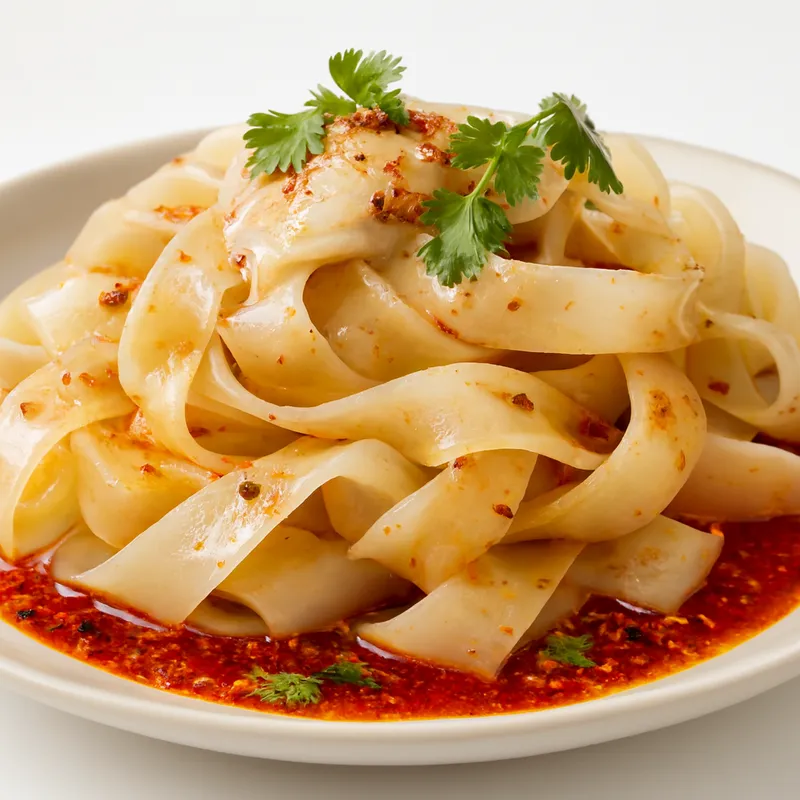
View page →Gansu is the Hexi Corridor — the narrow passage between desert and mountain that carried the Silk Road from China to Central Asia. Lanzhou is the Hui-Muslim cultural capital, home of Lanzhou beef noodle soup, the dish that became a Chinese national breakfast: hand-pulled wheat noodles in a clear beef broth (no soy sauce, no chili in the broth itself), thin-sliced beef, white radish, chili oil, green coriander. The cook pulls noodles to order — fine, medium, wide, or flat — each customer's noodle is custom. Niang pi is the cold wheat-starch noodles, made by washing wheat dough to separate the starch, then steaming the slurry. Yang rou pao mo (lamb soup over torn bread) crossed over from Shaanxi but Gansu makes its own version. Gansu has the largest concentration of Hui Muslim cooks in China; the cuisine is halal, wheat-anchored, beef-and-lamb-driven, and the gateway through which Central Asian flavors entered China.
Start Here
Hand-pulled wheat noodles in a clear long-simmered beef broth — no soy sauce, no chili in the broth. Thin-sliced beef, white radish, green coriander, chili oil on top.
Why start here · Lanzhou niu rou mian conquered China — every city has Lanzhou-style shops. The clear broth and hand-pulling are the standards; the chili oil is yours to control.
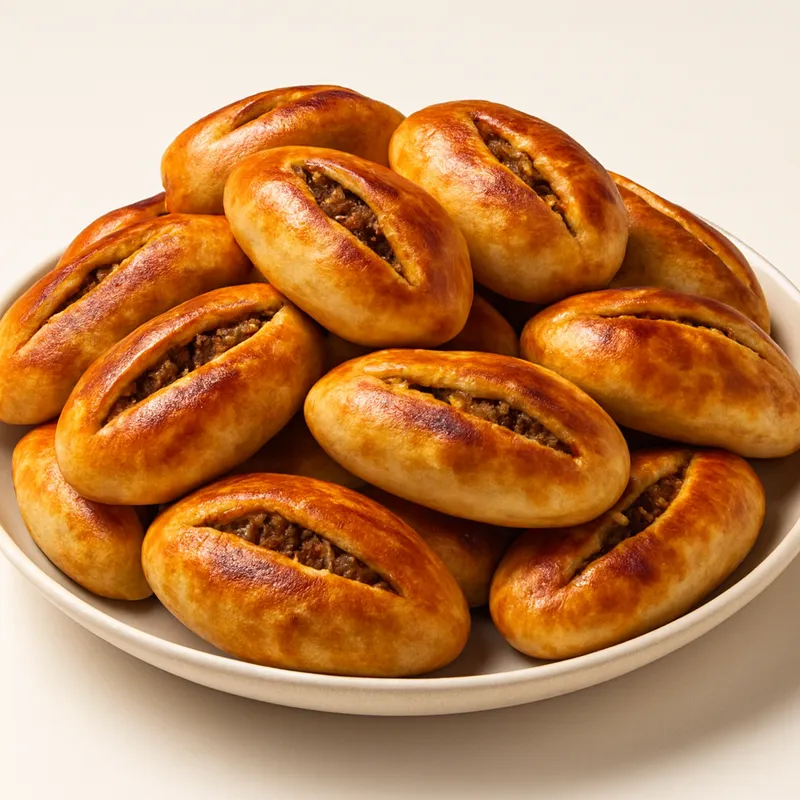
Wheat dough wrapped around minced lamb-onion-cumin filling, baked in a clay tannour-style oven until the bottom is crispy and the top is golden. The Hui Muslim baked dumpling.
Why start here · Lanzhou roast buns show Gansu's Central Asian inheritance — the clay-oven baked dumpling is Silk Road technology. Cumin-lamb is the Hui Muslim signature.
The Pantry







See all 156 ingredients›




Vegetables







Herbs & Spices




Grains & Staples









Sauces & Condiments




How They Cook
Techniques that define this cuisine
Other regions
Siblings within Chinese — each its own tradition.
Signature Dishes (48)
Browse all 48 dishes›
Starters
4

Mains
25