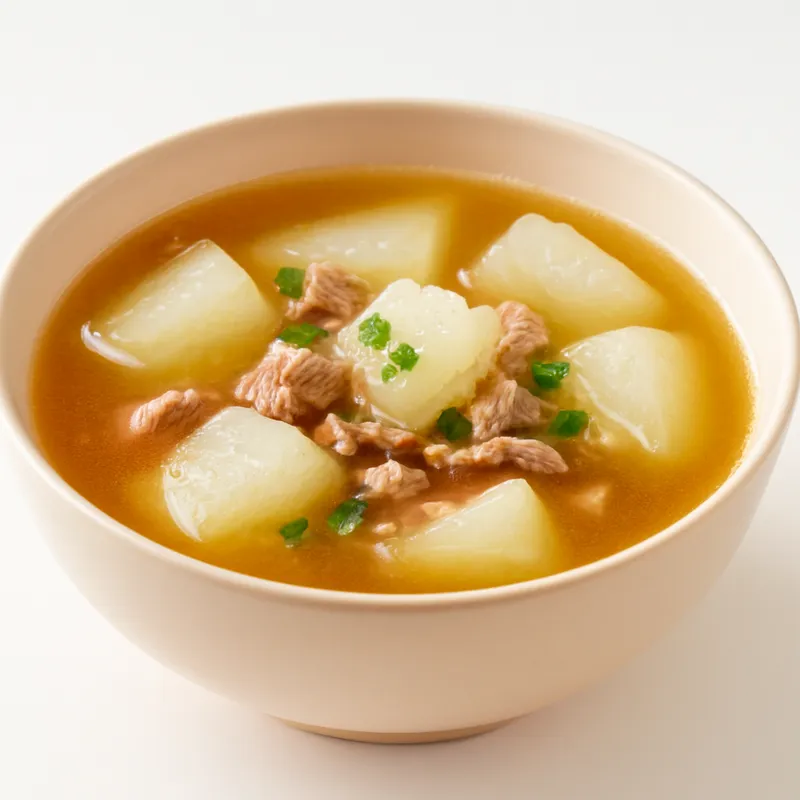
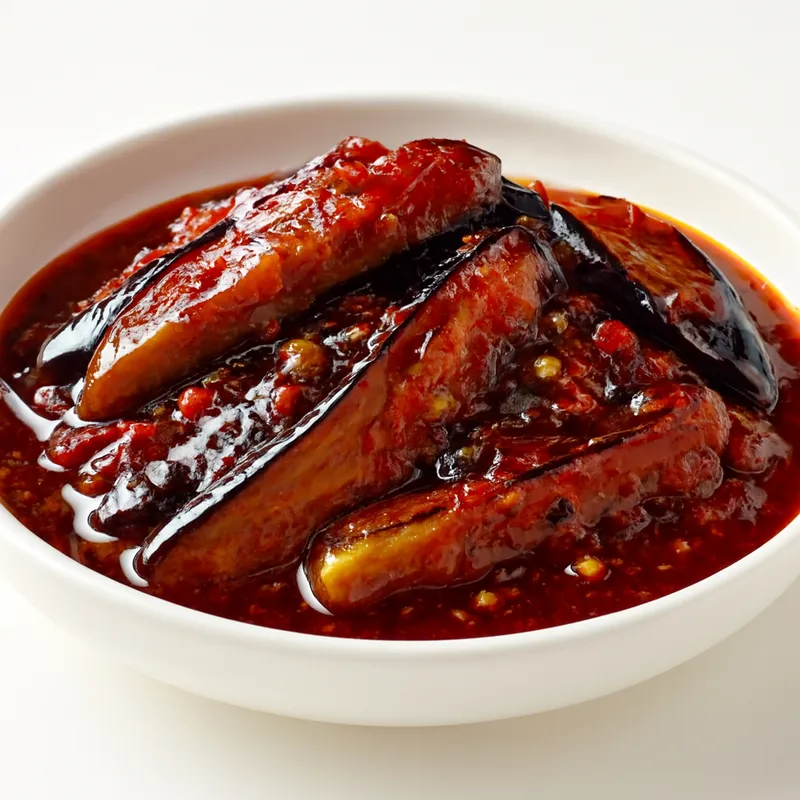
Yellow River carp simmered tableside in a heavy stone pot with tomato, fennel, cumin — Lanzhou's hot-pot cousin.
Stone-pot fish belongs to Lanzhou's modern restaurant culture more than to peasant cooking — the heavy stone vessel sits over a portable burner, half-cookware half-tableware. The flavor profile mixes Yellow River carp (Lanzhou is the Yellow River's first major city) with the Hui-Muslim spice cabinet that defines Gansu cuisine: tomato base, whole-spice braise, no doubanjiang or pickled chili. The meal is built to last as long as the conversation does.
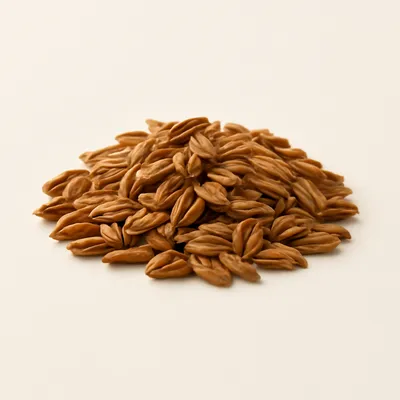
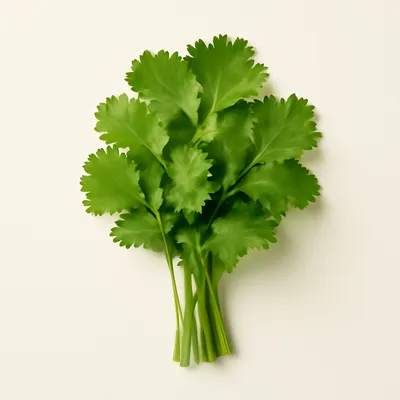
Modern Lanzhou restaurant invention — heavy stone vessel half-cookware half-tableware. Yellow River carp in tomato-led broth with the Hui spice trio (fennel, cumin, coriander seed). The stone's thermal mass holds simmer for an hour-plus; a wok cools too fast.
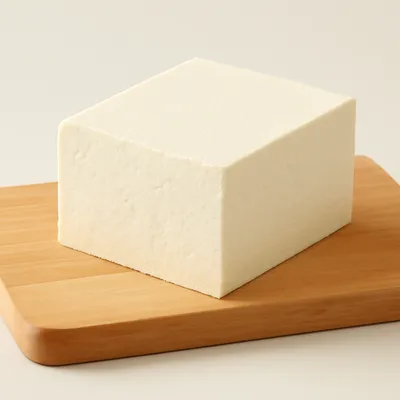
Carp flesh is delicate, white, slipping off the bone in flakes that taste of the broth more than the river. Broth is tomato-led with the Hui spice trio (fennel, cumin, coriander seed) layering underneath — closer to a Silk Road soup than to Sichuan fish stew. Tofu and winter melon turn into sponges of broth. The pot keeps simmering on the burner; eat slowly, as the kitchen built for an hour-long meal.
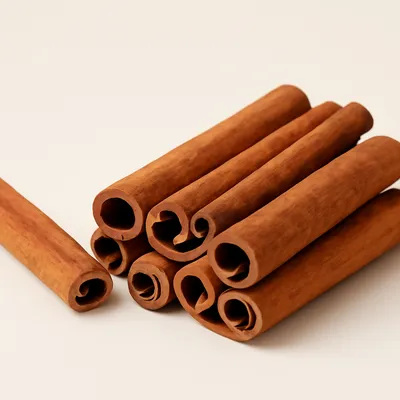
The stone pot does the load-bearing work: its thermal mass holds heat well past the burner's output, so the broth keeps a slow simmer for an hour-plus without re-firing. That long, low simmer is what lets whole spices (fennel, cumin, coriander seed, cinnamon) gradually release their fat-soluble aromatics into the broth — a thin metal pot would either boil too aggressively or cool too fast. Substitute a regular wok and the spices stay grassy, never integrating.
Variations
Lanzhou stone-pot houses run carp; downstream Yinchuan uses Helan Mountain trout; the Sichuan-style stone pot fish (川式石锅鱼) drops in pickled chili and doubanjiang — Gansu cooks consider it a different dish; Korean dolsot bibimbap shares only the vessel logic.
On the Palate
Where Yellow River Stone Pot Fish sits in the Chinese flavor cloud
Ingredients
Serves 4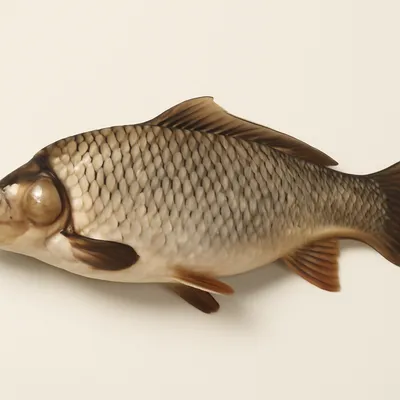













How it's made
6 steps · 40 min active + 20 min waiting
- 115 min
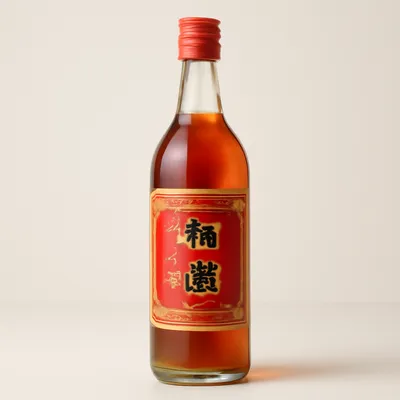
Scale and gut a 1.2kg Yellow River carp (or grass carp). Score both sides diagonally at 2cm intervals. Rub with salt and 1 tablespoon Shaoxing wine; rest 15 minutes.
- 26 min
Heat 60ml rapeseed oil in a stone or heavy clay pot. Sear the fish 2 minutes per side until skin sets and lifts cleanly. Lift fish out and set aside.
Watch outDon't move the fish until the skin has set and lifts off the pot in one clean sheet — force it early and the skin tears and sticks.
- 36 min
In the same pot, sweat 4 chopped tomatoes, 1 sliced onion, 4 garlic cloves smashed, and a thumb of ginger sliced for 5 minutes until tomatoes break down. Add 1 teaspoon fennel seed, 1 teaspoon cumin, 1 coriander-seed teaspoon, a 3cm cinnamon stick, and 2 dried red chiles; stir 30 seconds.
Watch outFry the whole spices only until they smell warm and fragrant — about thirty seconds; let them scorch and the whole broth turns bitter.
- 413 min
Pour in 1.2L hot chicken stock and 2 tablespoons light soy. Return the fish, bring to a simmer, cover, and cook 12 minutes — fish should be just-set at the thickest point.
Watch outPull the fish the moment the thickest part just turns opaque to the bone — it keeps cooking at the table, so overshoot here and the flesh goes cottony.
- 55 min
Move the stone pot to a portable burner at the table, kept at a low rolling simmer. Add 200g firm tofu, 150g sliced winter melon, 100g enoki mushrooms, and a handful of coriander as the meal progresses.
- 61 min
Eat the fish first while the flesh is just-set; let vegetables and tofu poach in the broth as the meal continues. The pot stays hot for over an hour without re-firing.
Archive tool suggestions — not reviewed
These legacy suggestions have not been evidence-reviewed and are not presented as required tools.
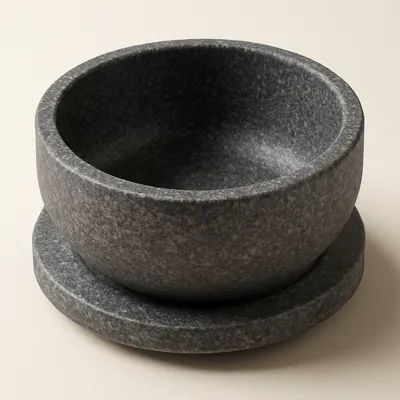
A heavy unglazed Korean stone bowl, 18-22 cm across, that goes from stovetop straight to table. Heated to ~250°C before the rice is added, it crisps the rice into a crackly nurungji (the prized golden crust on the bottom of bibimbap) within 30 seconds. The bowl stays at serving temperature for 15+ minutes — the egg yolk in dolsot bibimbap cooks against the wall as you stir.

A round-bellied unglazed clay pot, 1.5-3 liters, with a domed lid and side handles, used for slow-cooking Chinese soups, claypot rice (煲仔饭), and stews. The clay's high porosity diffuses heat slowly so soups never come to a violent boil — flavor develops over 2-3 hours of low simmer. Cantonese claypot rice gets its prized crispy bottom (锅巴) from the same direct-flame stovetop heat that would crack a less robust pot.