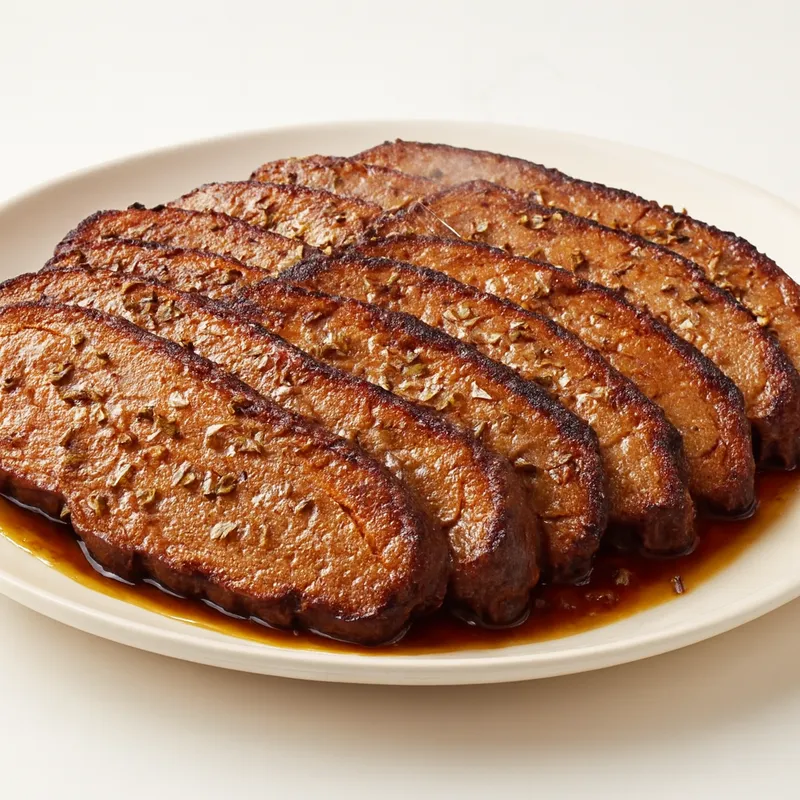
Lamb braised plain with desert salt, cumin, and cypress smoke — the herbs the sheep ate do most of the seasoning.


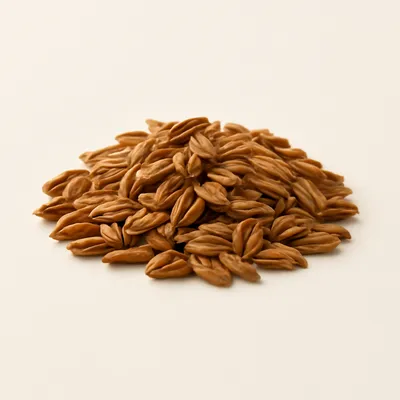

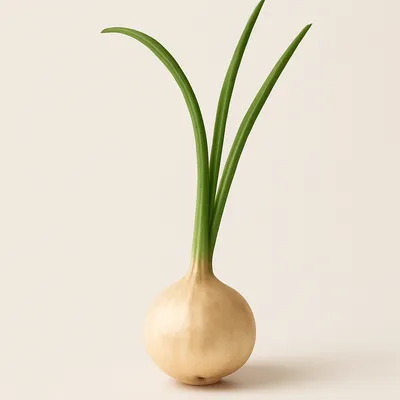
The Hexi Corridor is the narrow oasis stretch between Lanzhou and Dunhuang on the Silk Road, fed by snowmelt and ringed by desert. Lambs here graze on 沙葱 (desert onion) and 苦豆 (bitter bean) — the herbs flavor the meat directly through the diet, what European cooking calls terroir. Local cooking philosophy follows: don't season what's already seasoned. A simple braise plus cypress smoke lets the pasture do the work.
Hexi lambs graze on 沙葱 (desert onion, Allium mongolicum) and 苦豆 (bitter bean, Sophora alopecuroides) — the seasoning is metabolized into the fat before slaughter. Feedlot lamb under the same recipe tastes plain. The dish is the sheep, not the spice.
Spoon broth first — pale, salty, with a back-throat note of something herby that you can't place if you've never been west of Lanzhou. That's the desert-onion and bitter-bean residue from the lamb itself. Meat falls off the bone in chunks, no gamy edge, dipped in cumin-salt for the last layer. Tear off a piece of flatbread to mop. If the broth tastes of soy sauce or doubanjiang, the cook missed the point.
This dish only works if the lamb actually came from the Hexi Corridor or a similar grass-fed mountain pasture. Sand-onion (Allium mongolicum) and bitter-bean (Sophora alopecuroides) compounds accumulate in the lamb's fat, so the seasoning is metabolized into the meat before it's slaughtered. Grain-fed feedlot lamb under the same recipe tastes plain and slightly sweet — there's nothing for the salt and smoke to amplify. The dish is the sheep, not the spice.
Variations
Wuwei's version goes plain-broth and bone-on; Zhangye adds cumin-salt dip; Jiuquan uses cypress smoke during braise; Mongolian手把肉 from across the border uses similar pasture lamb but skips the smoke entirely.
On the Palate
Where Hexi Corridor Lamb sits in the Chinese flavor cloud
Ingredients
Serves 4



How it's made
6 steps · 30 min active + 2 hours waiting
- 130 min
Choose 1.2kg bone-in lamb shoulder or leg from a Hexi/Gansu producer (Wuwei, Zhangye, or Jiuquan if available). Cut into 5cm chunks. Soak in cold water 30 minutes to draw blood; drain.
- 28 min
Place lamb in a heavy pot with 2L cold water. Bring to a boil and skim relentlessly for 5 minutes until the foam runs clear. Discard no liquid — this is your braise base.
Watch outSkim the grey foam off hard until the surface runs clear — leave it in and the broth turns muddy and muttony instead of clean.
- 33 min
Add 1 tablespoon coarse desert salt (or kosher salt), 2 teaspoons cumin seeds, a 4cm piece of ginger smashed, 2 scallions tied in knots, and a small handful of dried 沙葱 (desert onion) or substitute with 1 tablespoon dried chives. No soy sauce, no wine, no doubanjiang.
- 490 min
Simmer covered on lowest heat 90 minutes. Lamb should be tender but not falling apart; broth should remain pale and the flavor should taste of the meat itself, not added spice.
Watch outKeep it at the barest simmer — the meat should go tender but still hold together, and the broth should stay pale and taste of the lamb itself.
- 510 min
In the last 10 minutes, place a small piece of cypress wood or juniper branch on a piece of foil set on a side burner; light, blow out, and let it smolder. Lift the pot lid, slip the smoking wood under the rim on a heatproof saucer, re-cover for 5 minutes — the broth picks up a thin smoke layer.
Watch outYou want a thin thread of smoke, not a bonfire — light the wood, blow it out, and let it smoulder so the broth picks up just a whisper of smoke.
- 65 min
Serve in shallow bowls with hand-pulled noodles or torn naan-style flatbread on the side, plus a small dish of toasted cumin-salt and raw garlic cloves for those who want them.
Archive tool suggestions — not reviewed
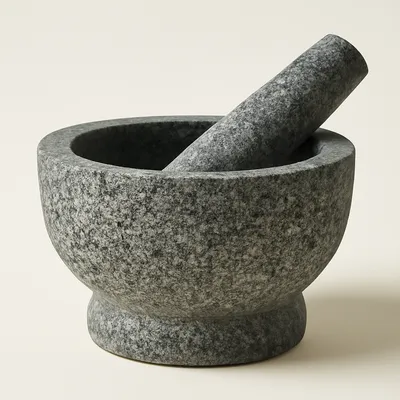
These legacy suggestions have not been evidence-reviewed and are not presented as required tools.