Mongolian Hotpot
“A communal feast of tender lamb slices cooked in a simmering broth, accompanied by an array of dipping sauces and vegetables.”





The bite
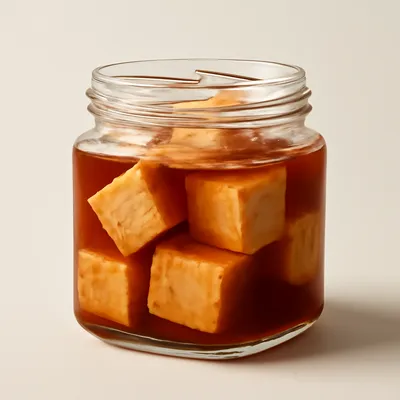
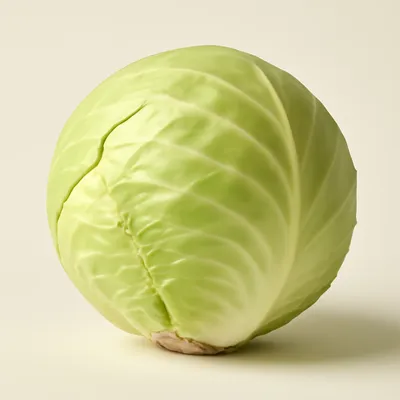
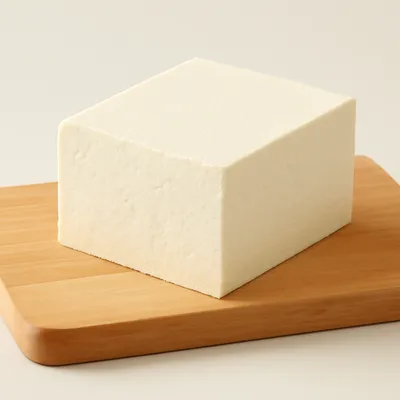
A copper pot with a charcoal chimney in the middle, clear lamb broth simmering around it. Paper-thin lamb slices — frozen, then sliced on a band saw or by hand — cook in eight to ten seconds when you swish them. Dip in a sesame-paste sauce mixed with chive flower, fermented bean curd, vinegar, chili oil. Cabbage, glass noodles, frozen tofu go in late. Communal table, charcoal smell in the room.
Where it comes from
Shuan yangrou, with origins claimed in the Yuan dynasty (1271–1368) under Mongol rule — legend ties it to Kublai Khan's army cooking lamb in helmets — but the verifiable Beijing form is mid-Qing, codified at Donglaishun (founded 1903) and refined as a Beijing wintertime ritual. The sesame dip is Beijing's contribution; Mongolian originals used simpler salt-and-onion seasoning.
What makes it work
The broth is deliberately plain — water, scallion, ginger, a few jujubes, sometimes goji. Heavy seasoning would hide the lamb. The cut matters more than anything: slices must be 1–1.5 mm thin and cut against the grain, which is why proper houses serve only freshly sliced from frozen blocks. Pre-packaged supermarket rolls are too thick and too slow-frozen — they release blood into the broth and turn it cloudy within minutes.
On the Palate
What goes into it
Proteins
Sauces & Condiments
How it's made
- 1
Prepare a simmering broth with cabbage and tofu.
- 2
Thinly slice lamb and arrange alongside dipping sauces like sesame and fermented tofu.
- 3
Simmer lamb slices briefly in the broth until just cooked.
- 4
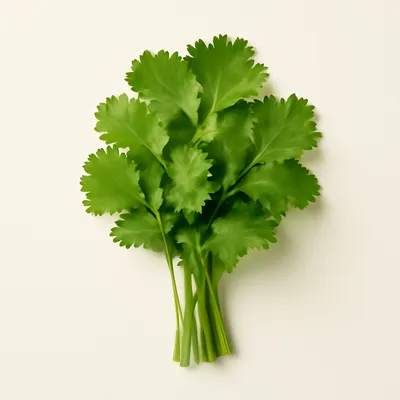
Serve with scallions, garlic, and cilantro for added flavor.
- 5
Encourage diners to dip cooked lamb into the sauces to enjoy.