



Traced in Chinese tradition to the Eastern Jin monk Zhi Dun (支遁), who is said to have carried scallion flatbreads as travel rations (giving the name 支公饼); the dish became widely known by the Ming dynasty. Shanghai-style versions are smaller and crisper than the northern original; Shanghai-style scallion pancake spread south with migrants only in the late Qing and developed its own character, fried then oven-finished (先煎后烘) so it is layered yet not greasy.
Cong you bing — hot-water dough rolled thin, brushed with lard and scallion, coiled like a snail, then pan-fried at low heat. The lard is the layering agent; oil-only versions go cardboard.
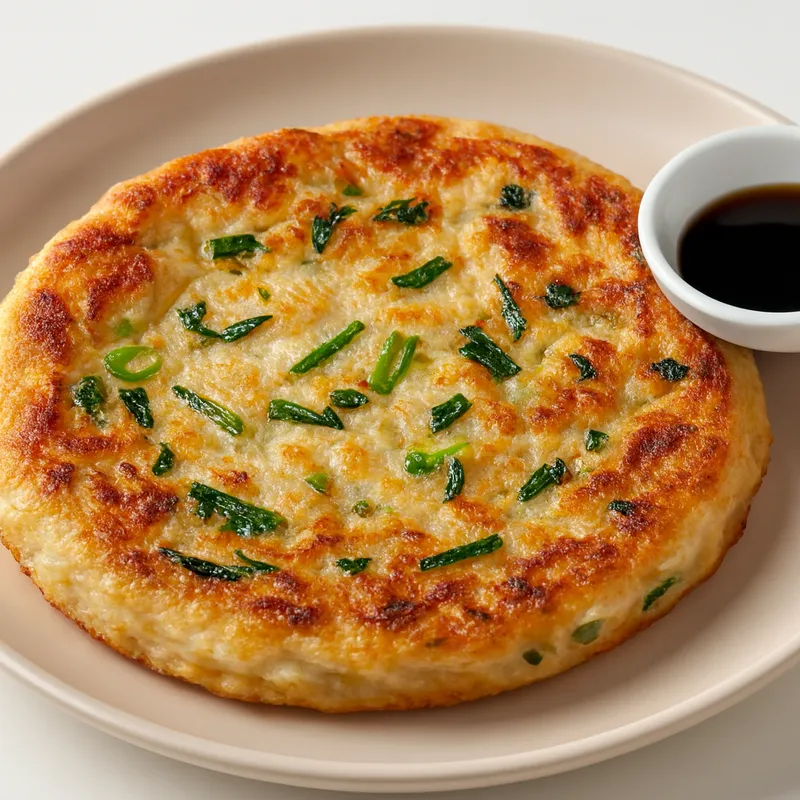
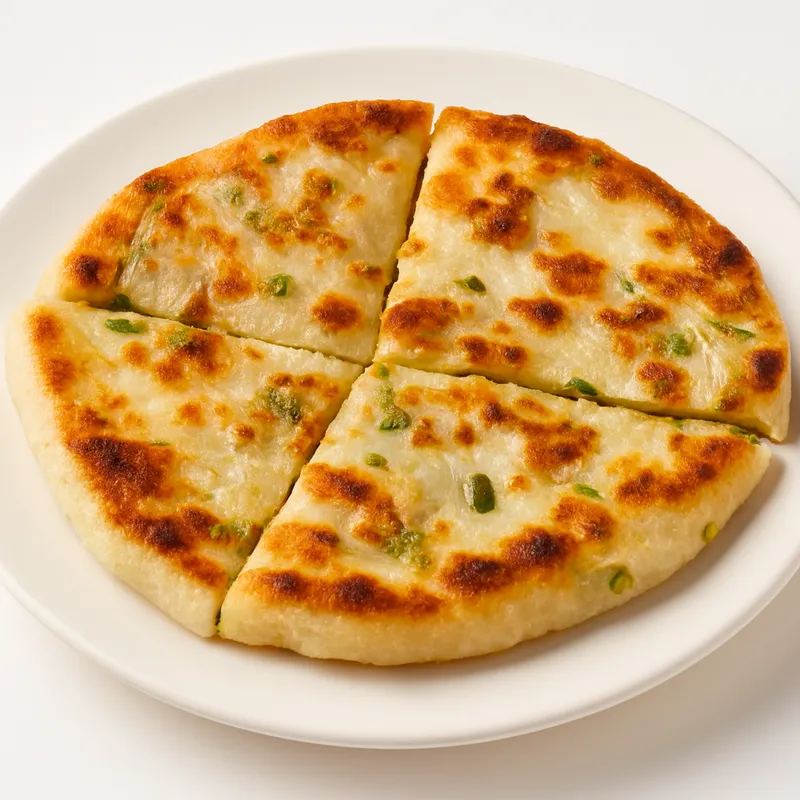
A flat round disc, gold and blistered, pulled apart in laminated flakes that shed crisp shards onto the plate. Hot rendered fat and toasted scallion green hit first; the inside is chewy, almost noodle-like. Eaten by hand or torn into wedges, often with black vinegar and ginger. If it crunches all the way through with no chew, it was rolled too thin or fried too long.
The flake comes from a cold oil-flour roux (油酥) painted on the rolled dough, then coiled tight and re-rolled — fat layers separate the gluten sheets so steam puffs them apart in the pan. Use sesame or rendered lard, not neutral oil, or the perfume vanishes. The pan must stay medium: too hot and the outside seals before the inside steams.
Variations
Shanghai cong you bing is thin and crisp-layered; Taiwanese version is thicker and chewier (often with egg cracked on top, dan bing-style); the modern hand-shredded shou zhua bing was developed and popularized in Taiwan in the early 2000s and brought to the mainland around 2005; its older Shandong ancestor is the coiled, flaky you xuan.
On the Palate
Where Scallion Pancake sits in the Chinese flavor cloud
Everything rides on the lamination: paint the rolled dough with a cold oil-flour roux, coil it tight, then fry over steady medium heat — too hot and the skin seals before the inside can steam the layers apart, and you get a dense pancake instead of a flaky one.
Ingredients


How it's made
4 steps · 21 min active + 30 min waiting
- 15 min
In a large bowl, mix flour with a pinch of salt, then gradually add water, stirring until a dough forms. Knead until smooth and elastic, about 5 minutes.
Watch outThe dough should be smooth and slightly tacky, not sticky. Adjust with flour or water as needed.
- 20 min
Let the dough rest, covered with a damp cloth, for 30 minutes to relax the gluten.
- 310 min
Divide the dough into equal portions and roll each into a thin circle. Brush with oil, sprinkle with chopped scallions, and roll into a log. Coil the log into a spiral and flatten again into a pancake.
Watch outBrush the oil-roux edge to edge and roll snug — a tight, evenly coated spiral is what banks the layers so they can puff.
- 46 min
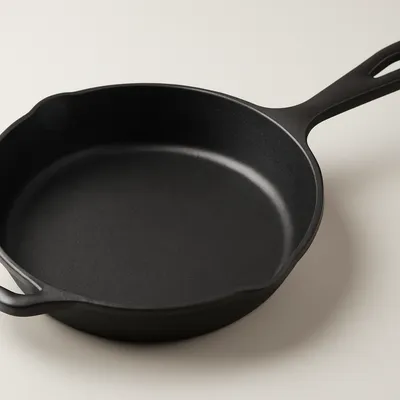
Heat oil in a skillet over medium heat until shimmering. Fry each pancake until golden brown and crispy on both sides, about 3 minutes per side.
Watch outWait for the oil to just shimmer, then hold a steady medium — you want a gentle sizzle and about three minutes a side to deep, even gold, with the pancake puffing as the layers separate.
Archive tool suggestions — not reviewed
These legacy suggestions have not been evidence-reviewed and are not presented as required tools.