


Henan
Hu la tang: peppery thick soup.
Hu La Tang
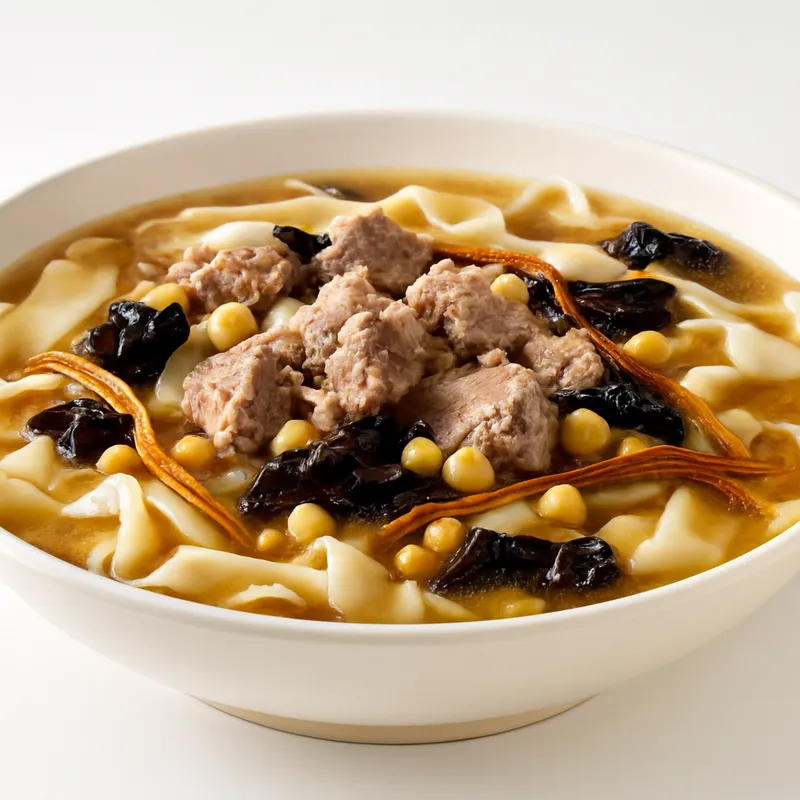
Henan's morning soup: peppery broth thickened with starch, packed with beef tripe, vermicelli, peanuts, wood ear fungus, and dried daylily
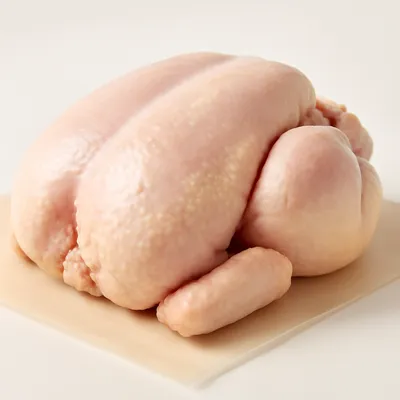
View page →Henan was the heart of ancient China — Kaifeng was the Song dynasty capital, and many Chinese culinary techniques were codified here a thousand years ago. The cuisine carries that imperial seriousness with peasant practicality. Hu la tang (hu-la-tang, 'spicy peppery soup') is the breakfast: a thick black-pepper broth with bean-flour-thickened body, beef shreds, wood-ear mushroom, daylily, tofu skin, dried gluten — served piping hot with deep-fried dough sticks. Locals drink it before work. Henan stewed noodles (huimian) are hand-pulled wide noodles in a lamb-bone broth with goji berries, kelp, and bean sprouts. Daokou roast chicken from Hua county is the slow-cooked chicken delicacy, dry to the touch but tender inside. Carp three-eat is the Yellow River fish dish. The cuisine is breakfast-anchored, wheat-noodle-heavy, and connects directly to ancient Chinese cookery.
Start Here
Thick black-pepper-peppery soup with beef shreds, wood ear, daylily, dried gluten, tofu skin, all bound with bean-flour starch. Served with deep-fried dough sticks for dipping. Breakfast only.
Why start here · Hu la tang is what 10 million Henanese drink every morning. The black-pepper heat is the alarm clock; the gloop-y body is sustenance for the morning ahead.
Hand-pulled wide wheat noodles in a lamb-bone broth simmered for 8 hours, served with goji berries, kelp, bean sprouts, lamb meat, and a final chili-oil swirl.
Why start here · Huimian is Henan's identity bowl. The lamb-bone broth is the test — long-simmered, milky, deeply rich. The hand-pulled noodles complete the picture.
The Pantry



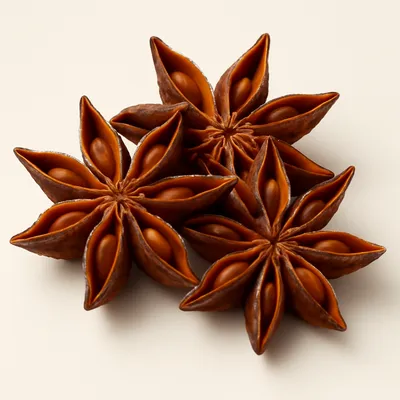
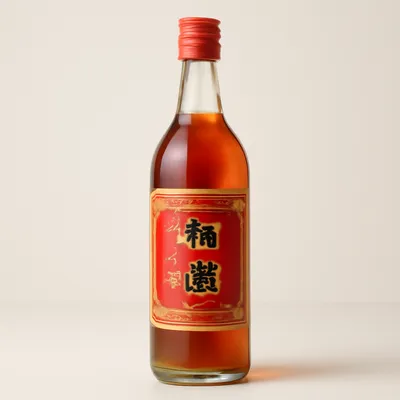
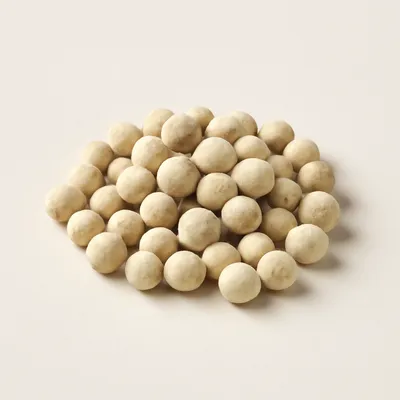

See all 150 ingredients›





Vegetables






Fruits

Herbs & Spices





Grains & Staples




Dairy & Fats


Sauces & Condiments




Other

How They Cook
Techniques that define this cuisine
Kindred Kitchens
Cuisines built on the same signature ingredients
Other regions
Siblings within Chinese — each its own tradition.
Signature Dishes (47)
Browse all 47 dishes›
Starters
3

Soups
3

Mains
20


