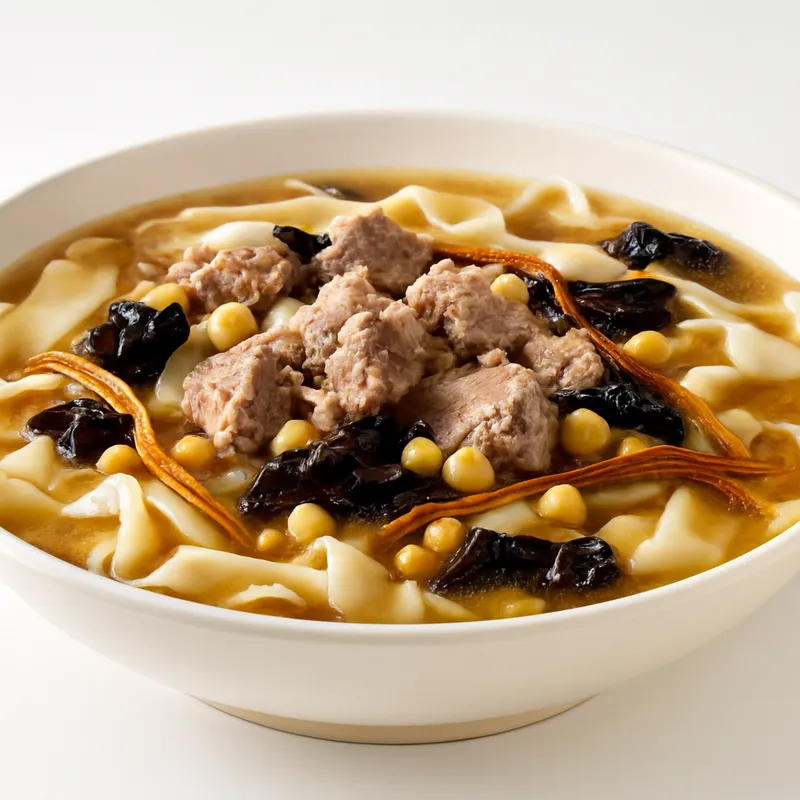
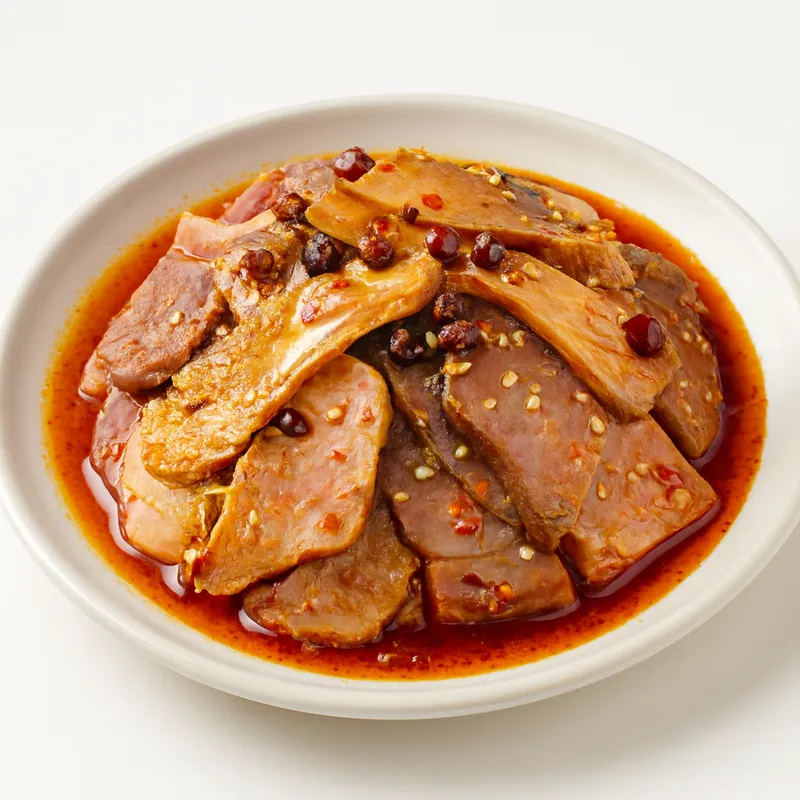
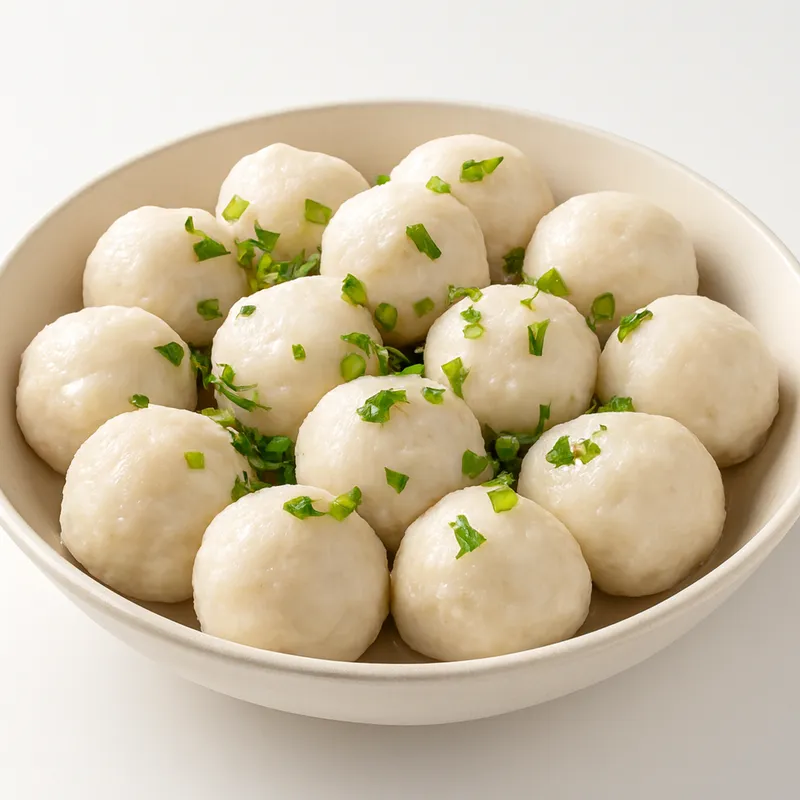
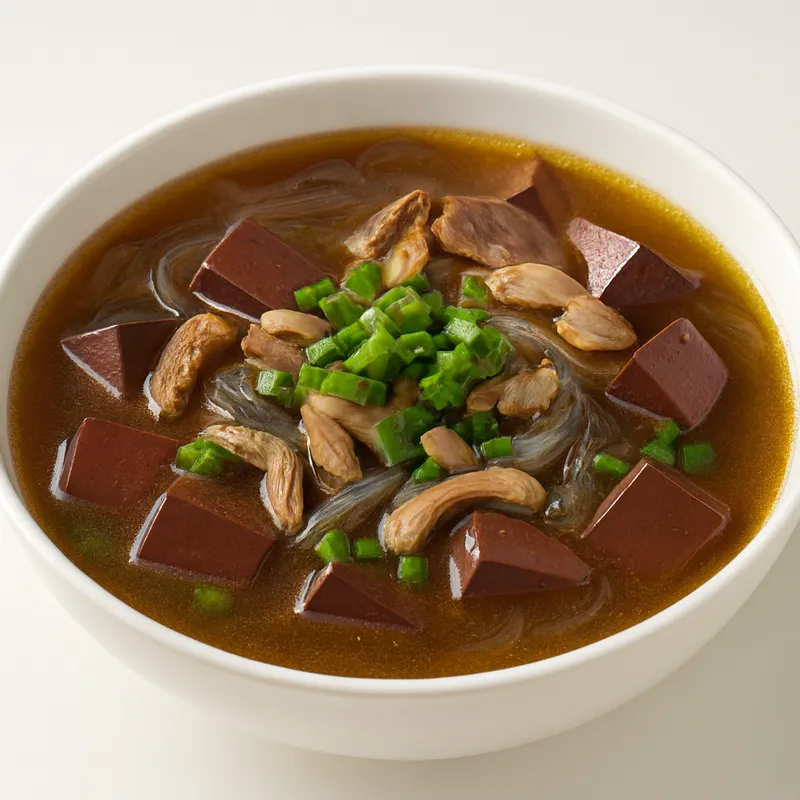
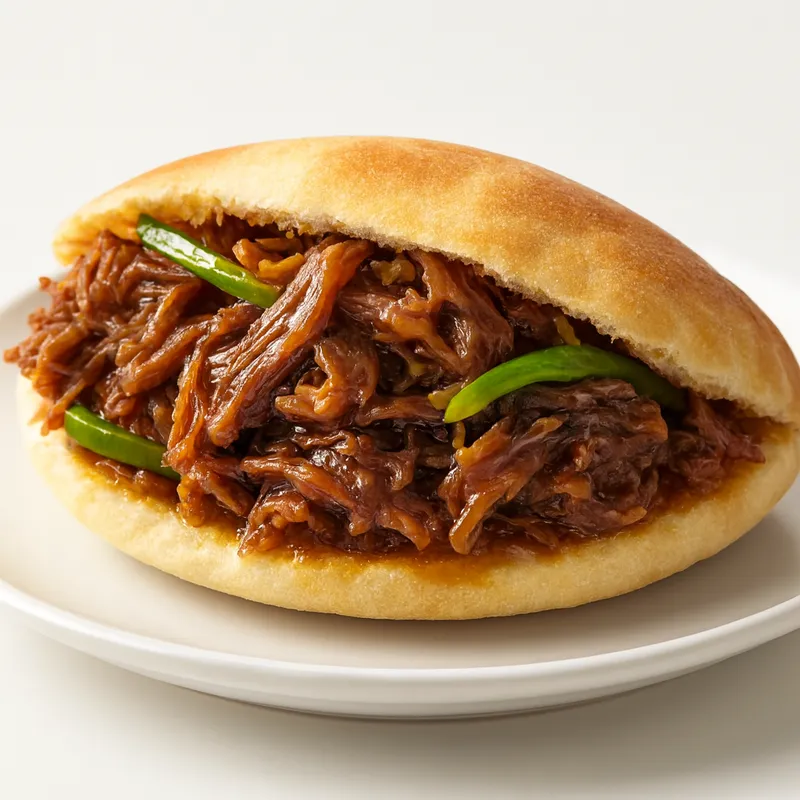
Henan's morning soup: peppery broth thickened with starch, packed with beef tripe, vermicelli, peanuts, wood ear fungus, and dried daylily — eaten at every street cart from Zhoukou to Luohe at dawn.
Henan's regional flag, most popularly traced (by legend) to the Ming dynasty, when palace cooks made a peppery 'imperial soup' (yu tang) that a fleeing imperial chef is said to have brought to Xiaoyao Town at the dynasty's fall; a competing legend dates it to the Song. As pepper only reached China in the Tang dynasty, the dish cannot predate the Tang.. Xiaoyao Town and Beiwudu are the two main schools — Xiaoyao is richer in ingredients and the most pepper-forward, while Beiwudu (said to date to the Qing-era Shanxi-Shaanxi guild hall) uses mutton chunks and is gentler and more rounded. Eaten exclusively at breakfast (4-9 AM); a hu la tang stand serving lunch is considered fake. The 'hú' (胡) means foreign — referring to the white pepper, which arrived via Silk Road trade.
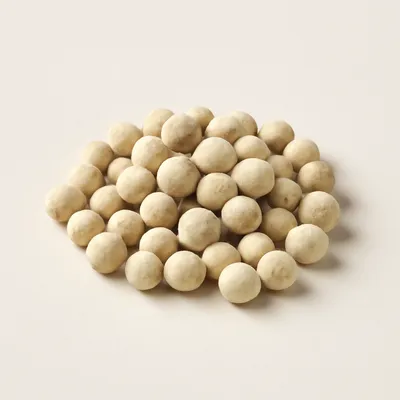
Henan breakfast slurry tracing back to Song-dynasty Kaifeng. 40g of white pepper to 1.5L of broth — half that and you've made a generic beef-vermicelli soup. A stand serving it at lunch is fake.
A bowl of glossy brown slurry, thick enough that the spoon stands briefly. White pepper hits the throat first — proper hu la tang makes you cough on the first sip. Tripe is silky, meat is in shreds, vermicelli slips, wood ear has snap. A swirl of black vinegar at the table cuts the pepper-heavy weight. Eaten with you tiao dunked into the soup until the dough turns brown. Cold weather makes it taste better.
The classic thickener is the starchy slurry left from washing wheat dough to extract its gluten (this is precisely what distinguishes hu la tang from hot-and-sour soup, which is thickened with a cornstarch slurry); sweet-potato starch is used for the chewy vermicelli rather than for thickening. The slurry must be added at a precise moment: the soup must be at a rolling simmer (the starch needs to gelatinize) but not boiling hard (or the starch breaks down and the soup thins out again). The white pepper amount sounds insane — 40g for 1.5L — but is what gives hu la tang its identity. Half that and the dish tastes like a generic beef-and-vermicelli soup.
Variations
Zhoukou style runs heavier on tripe; Xiaoyao Town pushes the white pepper hardest; Beijing transplant shops sell a watered-down version that locals from Henan will refuse to eat.
On the Palate
Where Hu La Tang sits in the Chinese flavor cloud
Add the starch slurry at a rolling simmer, not a hard boil — too cool and it won't gelatinize, too hot and the starch breaks down and the soup thins back out to a glossy, spoon-coating body.
Ingredients
Serves 6












How it's made
6 steps · 40 min active + 50 min waiting
- 130 min
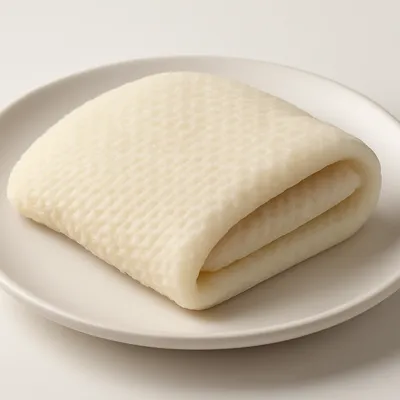
Soak 30g dried wood ear fungus, 30g dried daylily flowers, 50g sweet potato vermicelli in cold water for 30 minutes. Soak 100g flour with water 1 hour to make seitan (separate gluten by rinsing).
- 250 min
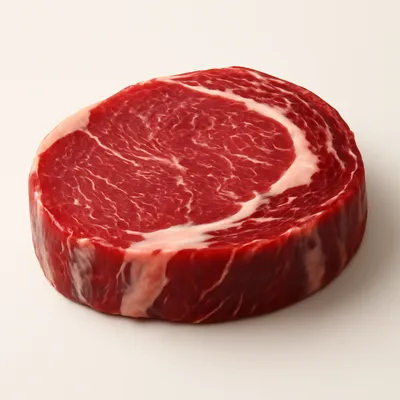
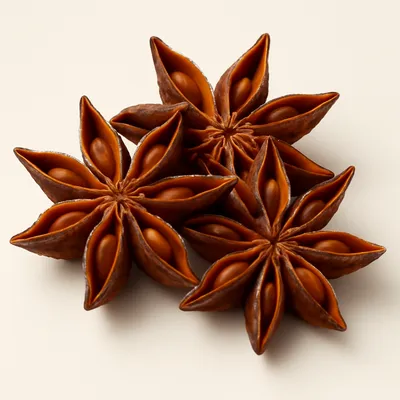
Simmer 300g beef tripe and 200g shoulder in water with star anise, cassia, fennel, ginger for 50 minutes until tender. Slice tripe thin, dice meat. Reserve 1.5L broth.
Watch outSkim the foam hard in the first 20 minutes so the broth stays clean, then simmer until the tripe is tender.
- 35 min
Bring broth to a boil. Add prepared tripe, beef, soaked vermicelli, wood ear, daylily, 50g blanched peanuts, the seitan torn into pieces. Simmer 5 minutes.
- 42 min
Season heavily with white pepper (40g — yes, 40g, this is the hú in hulatang), light soy, salt. Adjust to taste — should be aggressively peppery.
Watch outSeason until it's aggressively peppery — the heat should feel almost too much before the starch tames it.
- 53 min
Whisk 80g sweet potato starch with 200ml cold water. Drizzle slowly into the simmering soup while stirring — soup thickens to a glossy slurry that coats a spoon.
Watch outDrizzle the slurry in as the soup shivers at a simmer and stir until it turns glossy and coats a spoon.
- 60 min
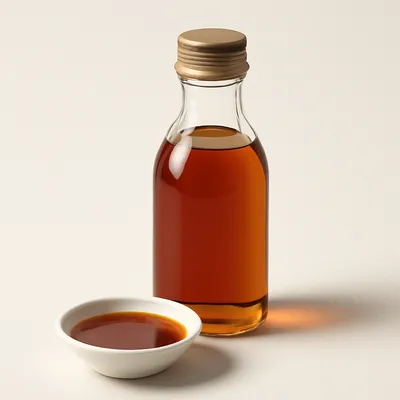
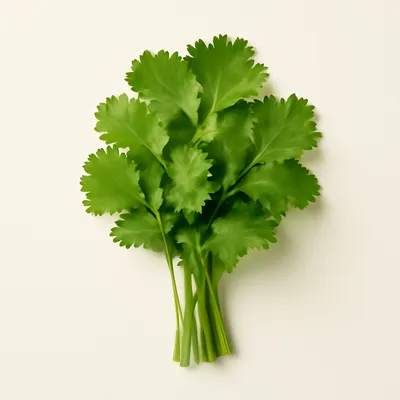
Serve in bowls with a swirl of black vinegar, sesame oil, and fresh cilantro. Pair with you tiao (fried dough sticks) or shao bing flatbread for dipping.
Archive tool suggestions — not reviewed
These legacy suggestions have not been evidence-reviewed and are not presented as required tools.