Star Anise
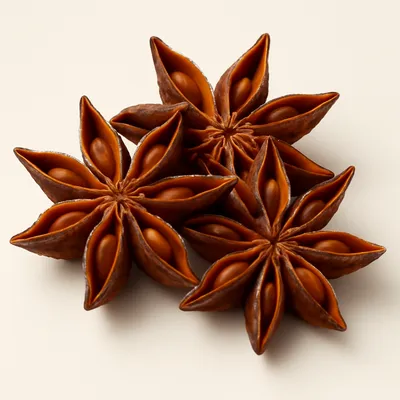
Star-shaped spice pod with intense aniseed-like anethole; dominant in Chinese five-spice and pho.
Where it comes from
Native to Northeast Vietnam and Southern China, star anise has been essential in Asian cooking for centuries, especially in traditional five-spice blends.
In the kitchen
Whole or ground, star anise is used in braises, broths, and desserts, imparting a complex flavor that enhances the aromatic profile of dishes.
Across cuisines
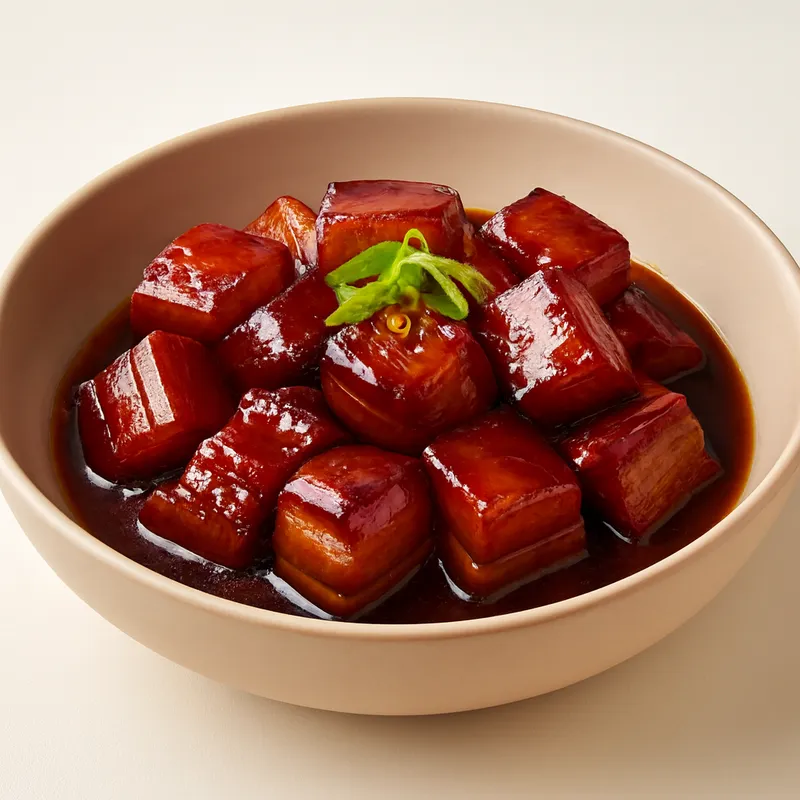
Whole pods in red-braised dishes (red-braised pork belly, lu-shui master stock) and a tied-bundle spice for hotpot broth alongside cassia, bay, and Sichuan peppercorn. The anethole gives the warm licorice top note that signals 'Chinese braise' to the nose.
Anchor of Lu-cuisine master stocks for braised chicken (Dezhou braised chicken, Daokou roast chicken) and the spice profile of nine-turn pork intestines and bazi rou. Lu cooks use heavier proportions than southern kitchens because the long-cook braises demand sustained aromatic backbone.
The signature note of pho broth — whole pods (4-6 per gallon) charred dry first, then simmered with cassia, cardamom, clove, and coriander seed. The pho-spice ratio favors star anise more heavily than most Chinese broths; remove the pod before service or it dominates.
Notable varieties
The standard culinary species — eight-pointed pods, intense anethole, edible. Guangxi production accounts for most of the global supply. Choose plump, glossy, intact pods over broken bits.
Toxic look-alike — Japanese shikimi is decorative and used in funerary rituals, NOT for cooking. Source from reputable suppliers; pods are slightly smaller and less aromatic.
Larger, glossier pods preferred for pho; some producers sell pre-toasted bags for restaurant convenience. The Vietnamese broth-tradition demand has shaped a separate export grade.
Nutrition (per 100g)
AI-estimated; model and run unavailable.
Pairs well with