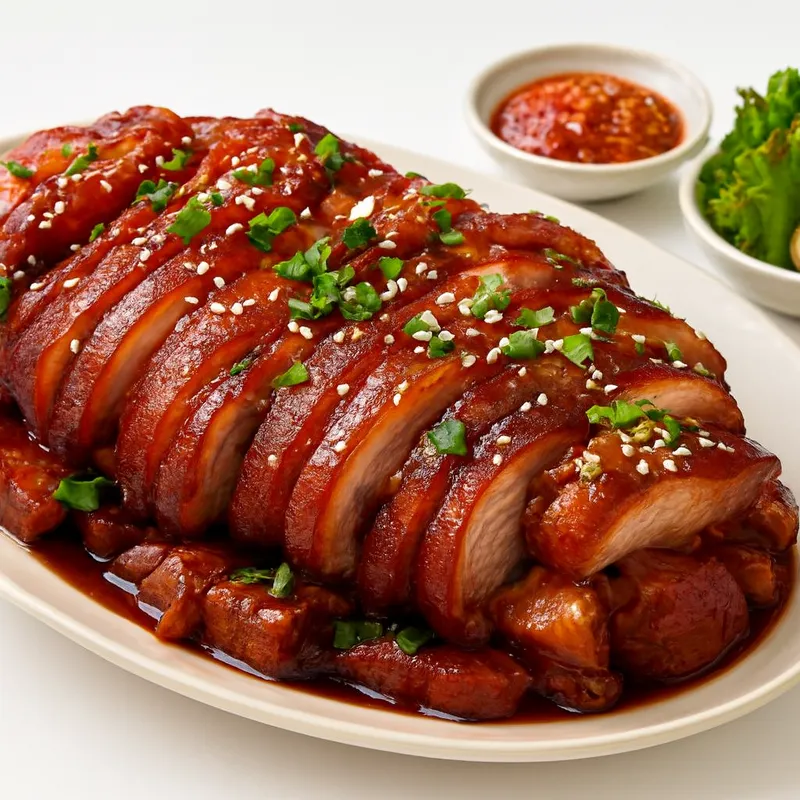
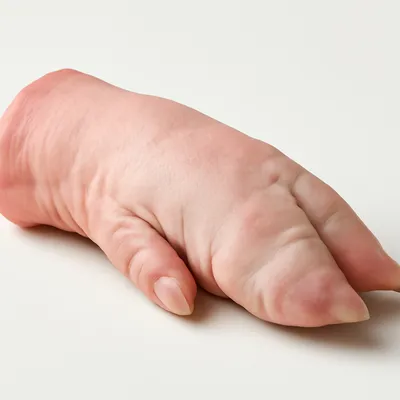
Korean braised pig trotters simmered in a fragrant broth of soy, ginger, and spices until tender and gelatinous.




The Jangchung-dong neighborhood of Seoul became Jokbal Alley in the 1960s, when North Korean refugees from the Pyeongan and Hwanghae provinces — long pork-trotter eaters — opened shops along the same block after the Korean War displacement. Earlier records of braised pig's feet exist in Korean cookbooks from the Joseon period, but the modern restaurant form is a postwar Seoul phenomenon traceable to specific founder families.
Pig trotters braised in soy, ginger, scallion, and rice wine until the collagen runs glossy — Jang Chung-dong in Seoul has been the jokbal alley since the 1960s, when North Korean refugees opened the first stalls.
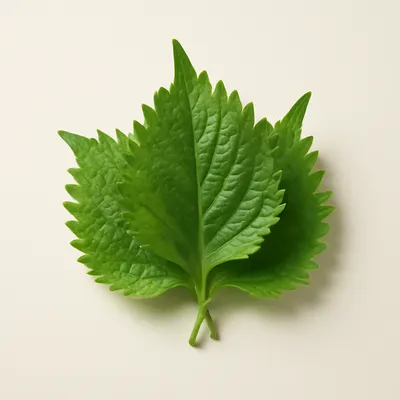
Pig trotters braised dark mahogany, sliced cold against the grain into half-moons that show alternating bands of skin, fat, gelatin, lean meat. Wrap each slice in lettuce or perilla leaf with salted shrimp sauce (saeujeot), a sliver of raw garlic, and pickled radish. Texture is the whole event: gelatinous skin, yielding fat, firm meat in one bite.
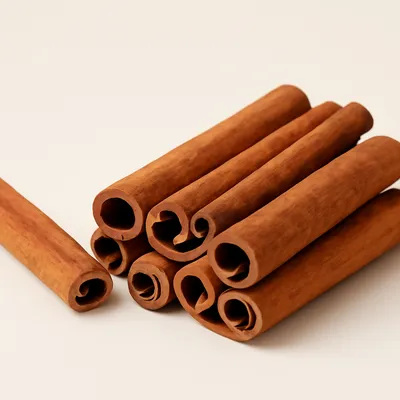
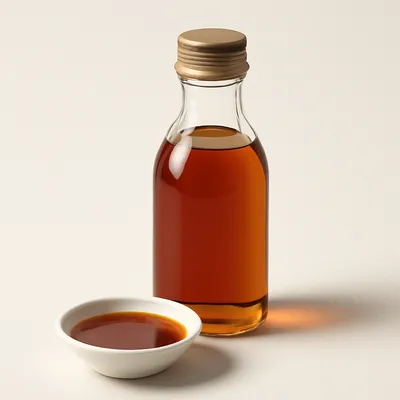
The braise is doenjang or soy plus a parade of aromatics — ginger, garlic, scallion root, leek, onion, sometimes coffee or instant coffee for color, plus cinnamon and licorice root for the perfume that distinguishes restaurant jokbal from home versions. Shops simmer 90 minutes to 2 hours, then chill the trotters whole — slicing must be cold, or the gelatin smears instead of holding clean bands.
Variations
Apjokbal (front trotters, more meat); dwitjokbal (back, more skin and gelatin); cold-pressed jokbal (jjokpyeonyuk, sliced like terrine); spicy maeun-jokbal with gochugaru rub; Jang Chung-dong vs Mapo styles in Seoul.
On the Palate
Where Jokbal sits in the Korean flavor cloud
Braise the trotters till tender, then chill them whole before slicing — cold gelatin cuts into clean bands, but slice them warm and it smears into a soft mess.
Ingredients






How it's made
5 steps · 30 min active + 1 hour 30 min waiting
- 110 min
Rinse the pig's trotters under cold water, scrubbing to remove any impurities. Place them in a large pot and cover with water. Bring to a boil to blanch, then drain and rinse again.
Watch outWatch for grey scum rising as it comes to a boil — that's the blood and impurities you want to pour off before braising.
- 25 min
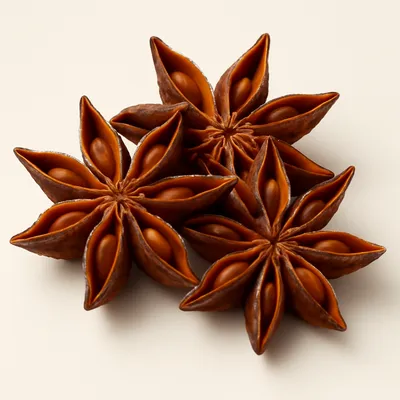
Return the trotters to the pot and add soy sauce, ginger slices, garlic cloves, cinnamon sticks, star anise, and black pepper. Add enough water to cover the trotters completely.
- 390 min
Bring the mixture to a boil, then reduce to a simmer. Cover and cook until the trotters are tender and infused with the aromatic spices, turning occasionally.
Watch outKeep it at a bare simmer with just a few bubbles breaking, not a rolling boil, so the skin turns silky instead of tough.
- 410 min
Remove the trotters from the pot and let them cool slightly. Slice them thinly against the grain and arrange on a serving platter.
Watch outOnly slice once the trotters are fully cooled and the gelatin has set firm — poke it, it should feel springy, not soft.
- 55 min
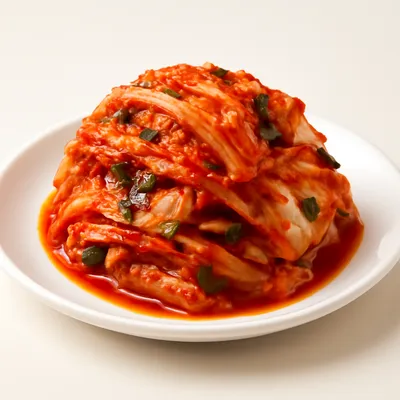
Serve the jokbal warm, accompanied by dipping sauces and side dishes like kimchi for a complete Korean experience.
Archive tool suggestions — not reviewed
These legacy suggestions have not been evidence-reviewed and are not presented as required tools.