Rich, dark Thai noodle soup originally sold from canal boats, with a deeply savory broth enriched with spices and herbs.





Originated on the canal boats (khlong) of Ayutthaya and central Thailand, where vendors sold noodles to passengers and dock workers spreading after the 1942 government campaign by Prime Minister Plaek Phibunsongkhram to promote noodle-eating during wartime rice shortages. Bowls were sized small so they wouldn't spill from boat to customer across the water. After Bangkok's canal traffic declined post-WWII, the boats moved to land, but the small bowl format and the blood-thickened broth stayed.
Kuay teow ruea — sold from canal boats in Ayutthaya since the 1940s; the broth is darkened and thickened with a spoonful of pig's or cow's blood. Bowls are tiny on purpose, so you order five.
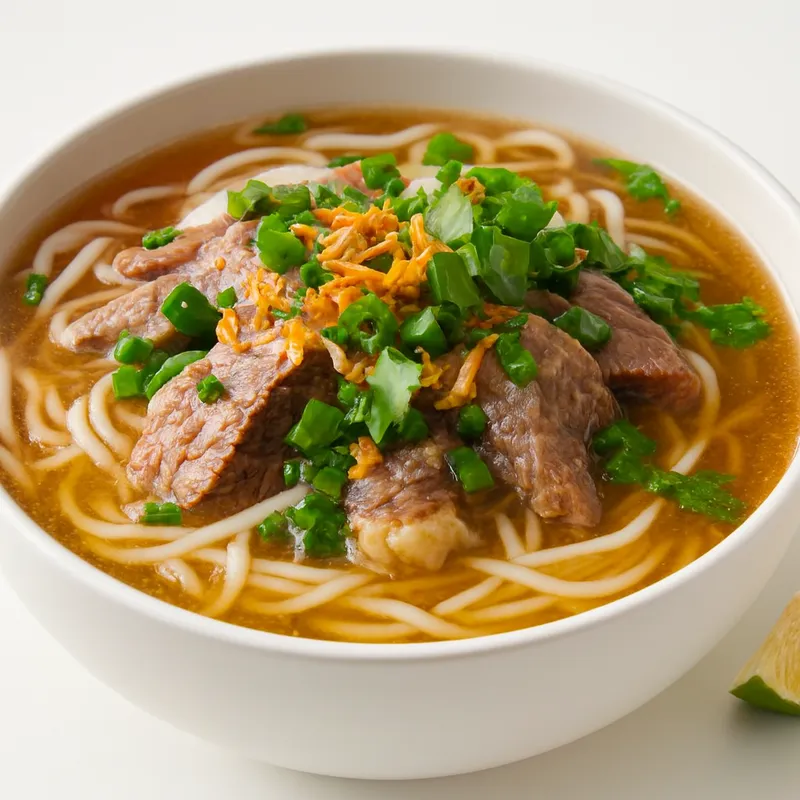
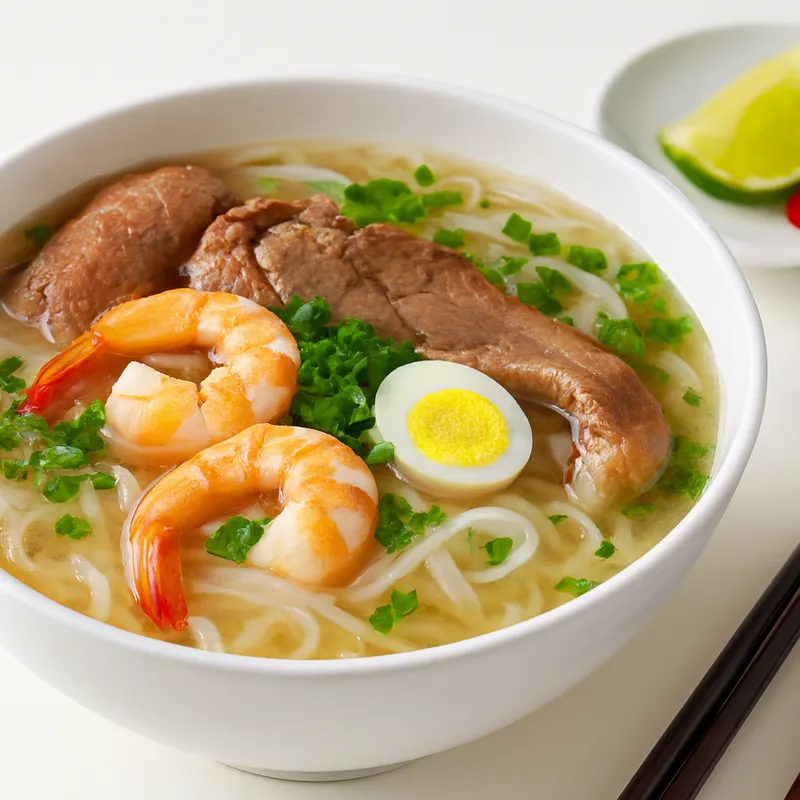
A small dark bowl, deliberately small — broth nearly black, fragrant with cinnamon and star anise, thickened with a spoonful of pig's or cow's blood that cooks into the soup. Beef or pork balls, slices of liver, rice noodles, water spinach, and a heap of fried garlic and pork rinds on top. Two or three bowls is the standard order; people stack the empties.
The blood is the technical key. Added at the right moment (broth simmering, not boiling), it suspends as fine particles that thicken the soup and carry the spice — boil too hard and it curdles into clumps; add too cold and it never integrates. The cinnamon-clove-anise profile is closer to Vietnamese pho than to other Thai noodles, a trace of shared northern-Indochinese spice trade.
Variations
Beef (nuea) or pork (moo); Sukhothai-style is sweeter and clearer with peanuts; the dry version (haeng) skips the broth and pours over noodles; the old shops along the Rangsit and Ayutthaya canals still set the standard.
On the Palate
Where Boat Noodles sits in the Thai flavor cloud
Hold the broth at a bare simmer, never a rolling boil, so the spices infuse and the thin-sliced beef poaches tender in the last few minutes instead of toughening.
Ingredients

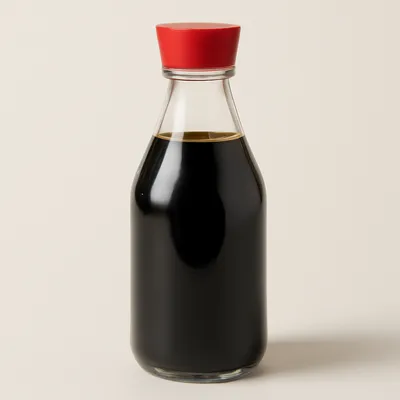
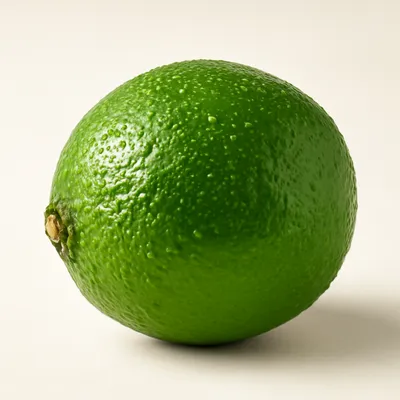

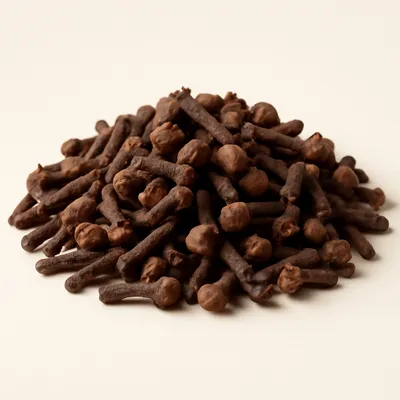

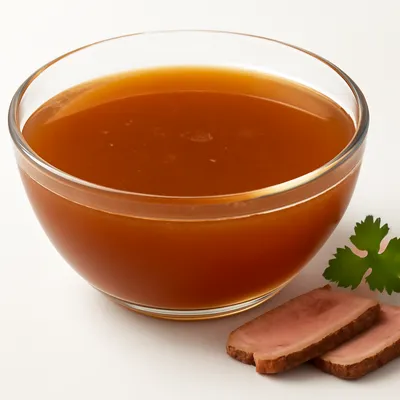




How it's made
5 steps · 42 min
- 120 min
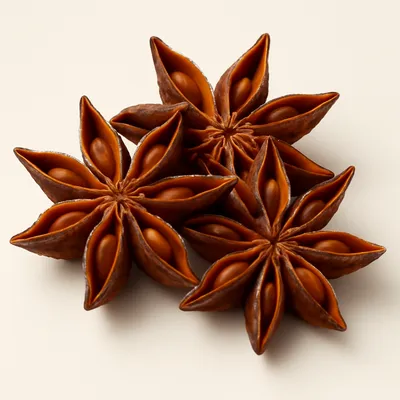
In a large pot, bring the beef broth to a gentle simmer. Add star anise, cinnamon, garlic, fish sauce, soy sauce, and sugar. Let it simmer for 20 minutes to infuse the broth with rich, aromatic flavors.
Watch outOnly a few bubbles should break the surface; the kitchen fills with the smell of anise and cinnamon as it infuses.
- 210 min
While the broth simmers, cook the rice noodles according to package instructions until just tender. Drain and set aside, ready to absorb the flavorful broth.
Watch outBite a strand — it should be tender with no hard white core, since it keeps cooking in the bowl.
- 32 min
Blanch bean sprouts in boiling water for 1-2 minutes until they are crisp-tender, then drain and set aside.
Watch outThe sprouts should turn bright and stay snappy after 1-2 minutes; drain before they go limp.
- 45 min
Once the broth is infused, remove the star anise and cinnamon. Add thinly sliced beef to the simmering broth, cooking until just tender and infused with the spiced broth, about 5 minutes.
Watch outThe thin beef is ready the instant it turns from red to pale; longer and it toughens.
- 55 min
To serve, place a portion of noodles in a bowl, ladle the hot, fragrant broth over them, and top with bean sprouts. The noodles should be submerged, soaking up the flavors of the broth.
Archive tool suggestions — not reviewed
These legacy suggestions have not been evidence-reviewed and are not presented as required tools.