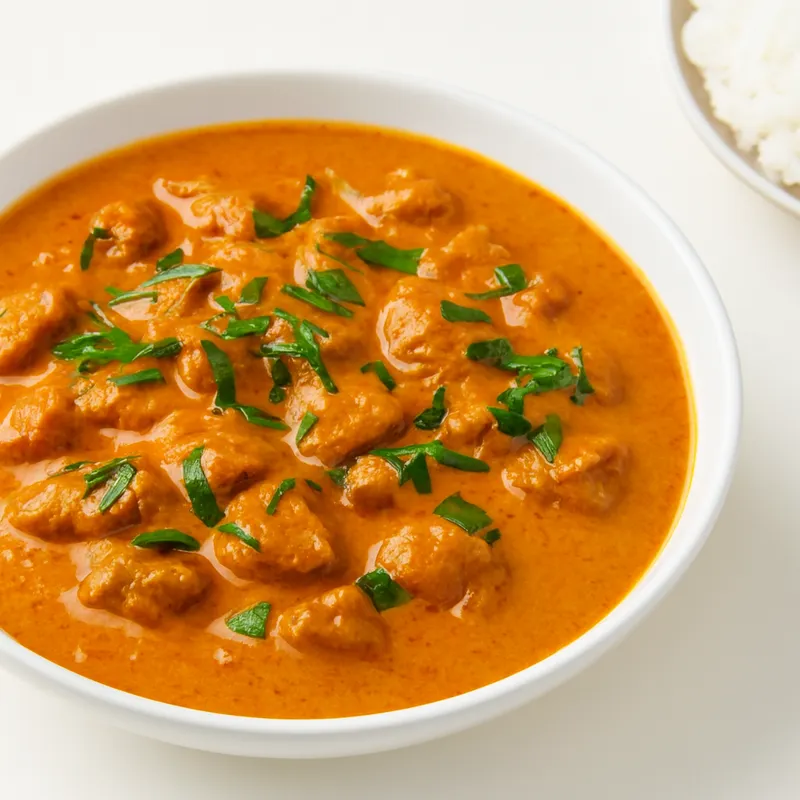
Clay-pot-baked mushrooms cooked dry — no added liquid, just paste, herbs, and the mushrooms' own moisture, covered and steamed-roasted over low coals, often with a banana leaf laid over the mushrooms.
「Op」 means to bake or smother in Northern Thai cooking, and op hed is the mushroom version of a wider technique that includes op kai (chicken), op pak (vegetables). It belongs to Lanna mountain forage cuisine — the village pots that catch whatever the rainy-season forest produces: hed khon, hed thob, hed phueng. Traditionally cooked in a small earthenware mor din pot directly in the embers. Today it's a standard side at northern restaurants and a marker of seasonality — best in July through September when wild mushrooms come down from the hills.
Lanna mountain-forage cooking — best July through September when wild hed khon and hed thob come down from the hills. Never wash the mushrooms and never add liquid; they're 90% water and the sealed lid pulls just enough out.
Open the lid and the kitchen smells of galangal and lemongrass. The mushrooms have shrunk and gone glossy with the paste, sitting in just a tablespoon or two of their own dark juice — not soup, not dry. Texture is the whole point: chewy oyster shred, slippery straw mushroom, meaty shiitake, and the firm bite of forest hed khon if you can get it. Mild heat, salt-forward, with kaffir lime carrying the top. With sticky rice it's a vegetarian lunch by itself; with grilled meat it's the side. If there's a pool of liquid, the mushrooms were washed.
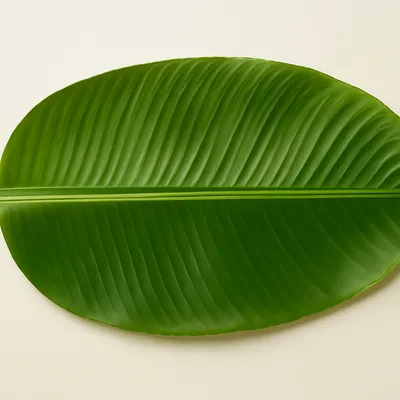
The 「dry」 in dry-bake is non-negotiable: never wash the mushrooms, never add water or stock. Mushrooms are 90% water by weight; under a sealed lid they release exactly enough to cook themselves and the paste. Adding any liquid produces a watery braise that misses the concentrated flavor. The banana leaf laid against the food is not decorative — it's a vapor seal that prevents the paste from drying onto the lid, and it perfumes the dish faintly with green-leaf char.
Variations
Op kai (chicken) and op pak (vegetable) are the same technique; Chiang Mai's Tong Tem Toh runs the canonical mor-din earthenware version; Mae Hong Son Shan villages add fermented bean paste; modern restaurants substitute foil for banana leaf (less aroma).
On the Palate
Where Op Hed sits in the Thai flavor cloud
Ingredients
Serves 4



How it's made
6 steps · 15 min active + 15 min waiting
- 18 min
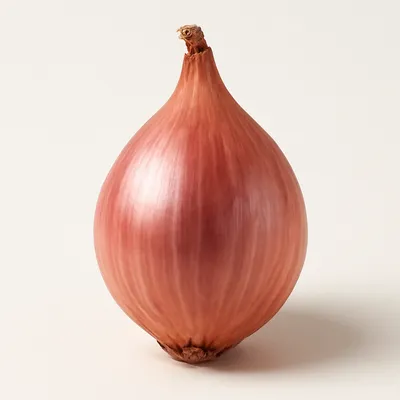
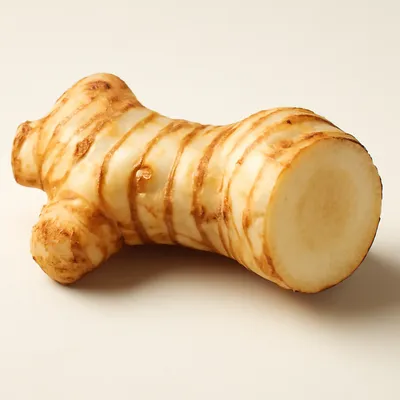
Pound paste: 4 dried red chiles (soaked), 4 garlic cloves, 3 shallots, 1 inch galangal, 2 lemongrass stalks (white part), 1 tsp salt, 1 toasted tua nao disc — to a rough paste.
- 24 min
Tear 500g mixed forest mushrooms (oyster, shiitake, straw, hed khon — whatever's at market) into bite pieces. Don't wash; brush off dirt only — added water would ruin the dry-bake.
Watch outNever wash the mushrooms — just brush off the dirt; they're mostly water and any added liquid turns the dry-bake into a watery braise.
- 33 min
In a small clay pot or Dutch oven, toss mushrooms with all the paste, 1 tbsp fish sauce, a handful of torn kaffir lime leaves, 4 sliced spring onions, and a small handful of Thai basil. Pack down lightly.
- 42 min
Cover the surface directly with a wilted banana leaf (passed over flame for 5 seconds), then put the clay-pot lid on. The leaf seals against the food; the lid traps steam.
Watch outLay the wilted banana leaf flat against the food before the lid — it seals in the steam and keeps the paste from drying onto the lid.
- 525 min
Bake in a 180°C oven for 25 minutes, or sit on a low charcoal bed for 30 minutes. Don't lift the lid — you lose the steam. The mushrooms release water, the paste cooks, and they end up in a glossy minimal sauce.
Watch outDon't lift the lid while it bakes — every peek loses the steam that's cooking it; it's done when the mushrooms sit in a thin glossy sauce.
- 61 min
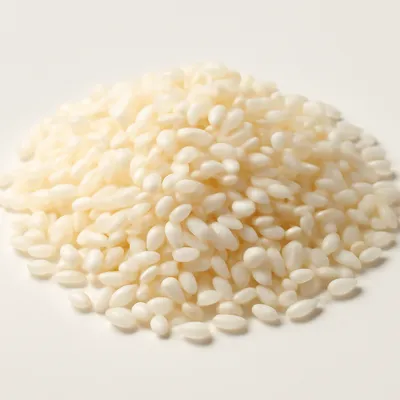
Open at the table; the herbal steam is part of it. Serve straight from the pot with sticky rice.
Archive tool suggestions — not reviewed
These legacy suggestions have not been evidence-reviewed and are not presented as required tools.
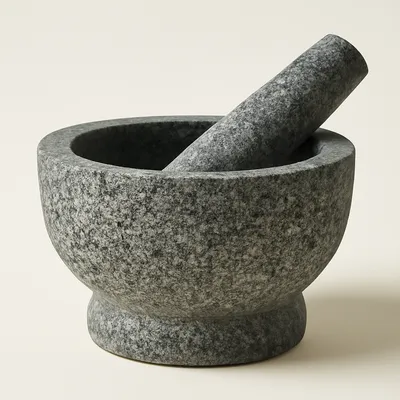
The simplest tool in any kitchen: a heavy bowl and a club to bash things in it. Different cuisines use different stones — Thai cooks pound green papaya in a tall granite mortar (krok hin); pesto Genovese requires the soft-pored Carrara marble; Indian masalas grind down on rough basalt. The bash-don't-cut motion releases volatile oils that a blade keeps sealed in the cell wall.

A heavy enameled or bare cast-iron lidded pot, 4-7 liters, with thick walls and a snug lid. The mass evens out hotspots; the lid traps moisture for braising. Sears on the stovetop, then transfers to a 150°C oven for 3-4 hours of even, contained heat — the structural difference between a beef bourguignon that comes out luminous and one that turns to gray mush. Le Creuset and Staub are the celebrated versions; an old American Wagner is functionally identical.
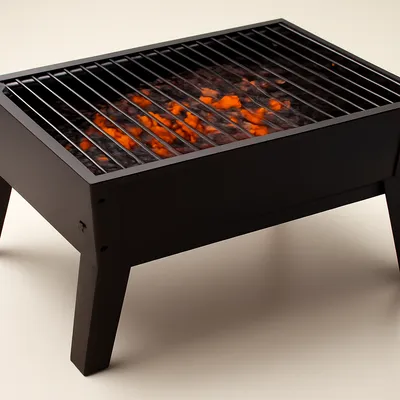
An open or hooded metal frame holding a bed of glowing charcoal embers, with a grate above. Charcoal burns at 700°C+ on the surface and emits short-wave infrared, which cooks proteins faster and with deeper Maillard browning than gas. Hardwood lump charcoal (oak, mesquite, fruitwood) lends its own smoke; cheap briquettes do not. Mastery is mostly heat zoning — direct over coals for searing, indirect off-coals for slow-roasting.

A round-bellied unglazed clay pot, 1.5-3 liters, with a domed lid and side handles, used for slow-cooking Chinese soups, claypot rice (煲仔饭), and stews. The clay's high porosity diffuses heat slowly so soups never come to a violent boil — flavor develops over 2-3 hours of low simmer. Cantonese claypot rice gets its prized crispy bottom (锅巴) from the same direct-flame stovetop heat that would crack a less robust pot.