Isaan-style clear pork-rib soup with toasted rice powder, dried-chile heat, lime, and fish sauce — no coconut milk, no curry paste; the Isaan answer to tom yum.
Tom saap is the soup of Thailand's northeast — Isaan — where the cooking is built on sticky rice, pungent fermented fish (pla ra), and the lean, lime-sour-dried-chile flavor profile that distinguishes it from Bangkok cuisine. Unlike tom yum, which uses fresh chile and chile paste (and sometimes coconut), tom saap stays clear and uses dried chile flakes plus toasted rice powder for body. The word saap (also saep) simply means delicious in the Lao-Isaan dialect.
Isaan's lean clear soup — saap means deep, satisfying flavor in Lao-Isaan dialect. Khao kua, toasted-and-ground sticky rice, is what makes it Isaan: faint thickening plus a roasted-grain perfume fresh chili can't supply. Toast the rice to deep amber, almost smoky; under-toasted khao kua tastes raw and starchy.
A clear, dust-cloudy broth — not coconut-creamy, not chile-paste-red, but lean and brown like a serious pork stock. The first hit is sour-salt; the second is the dry chile, which burns differently from fresh chile — drier, deeper, lasts longer. The toasted rice powder gives a faint nutty graininess at the bottom of the spoon. Eaten with a finger-mound of sticky rice you dip in. If it tastes round and soft, the cook used coconut milk and made tom kha by accident.
Khao kua — toasted-and-ground sticky rice — is what makes the soup Isaan. It does two things: a faint thickening that gives a clear broth body without flour or starch, and a roasted-grain perfume that fresh chiles can't supply. The rice must be toasted to deep amber, almost smoky; under-toasted khao kua tastes raw and starchy and ruins the soup. Dried chile flakes (phrik pon), not fresh chile paste, give the heat its dry papery edge.
Variations
Tom saap kraduk moon is the Khon Kaen pork-spine version; tom saap nuea uses beef shank and tendons; Udon Thani markets serve it with offal-heavy broth; Bangkok's Baan Phadthai and 80/20 plate Isaan-faithful versions; Vientiane Lao kitchens run a closer cousin called tom som with palm sugar added.
On the Palate
Where Tom Saap sits in the Thai flavor cloud
Ingredients
Serves 4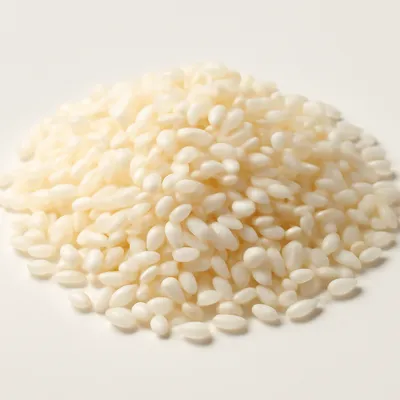





How it's made
5 steps · 25 min active + 35 min waiting
- 18 min
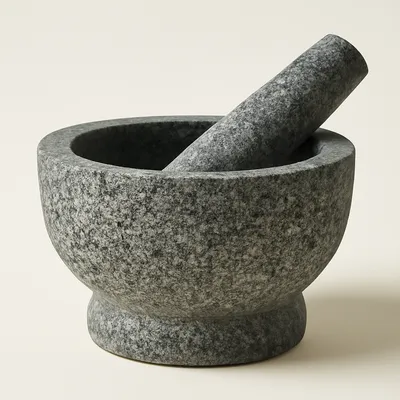
Toast 3 tbsp uncooked sticky rice in a dry pan over medium heat, stirring constantly until deep amber and smelling of popcorn — about 6 minutes. Cool, then grind to a coarse powder in a mortar. This is khao kua.
Watch outToast the sticky rice to deep amber, right up to smelling of popcorn — pull it pale and the soup tastes raw and starchy.
- 240 min
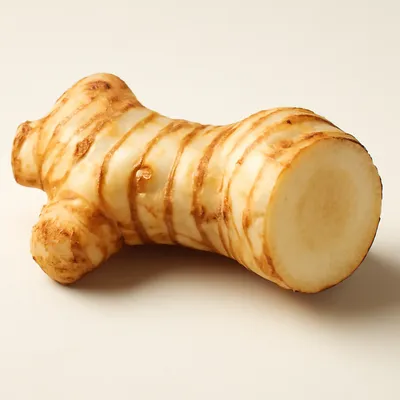
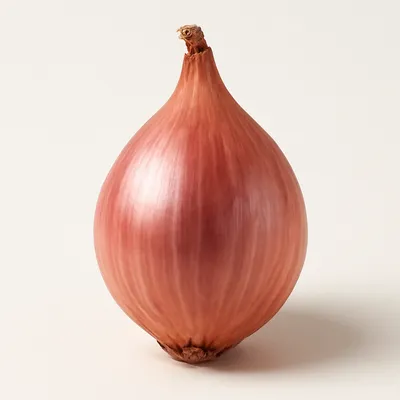
Blanch 800g pork ribs (cut into 4cm sections) in boiling water for 2 minutes; drain and rinse off scum. Return to a clean pot with 1.5L water, 4 bruised lemongrass stalks, 60g sliced galangal, 6 torn kaffir lime leaves, 4 smashed shallots. Simmer 35 minutes — ribs tender but not falling apart.
Watch outEnsure the water is at a rolling boil before blanching to effectively remove scum.
- 33 min
Stir in 3-4 tsp dried-chile flakes (phrik pon) and the toasted rice powder. Simmer 2 minutes — the rice powder thickens the broth ever so slightly and clouds it.
Watch outThe toasted rice powder should just barely thicken and cloud the broth — a whisper of body, not a slurry.
- 42 min
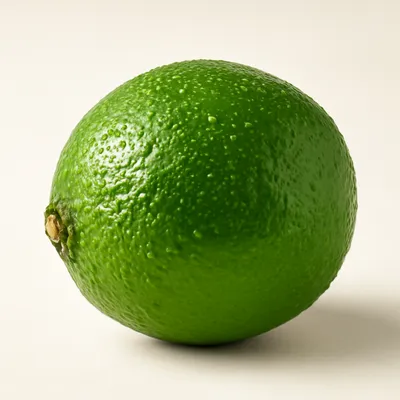
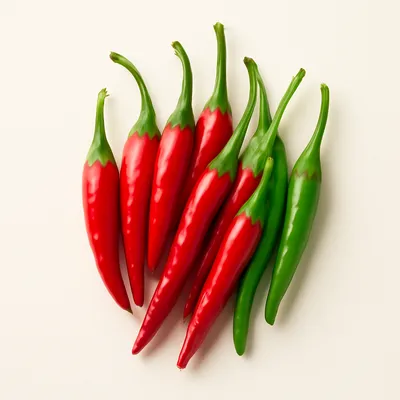
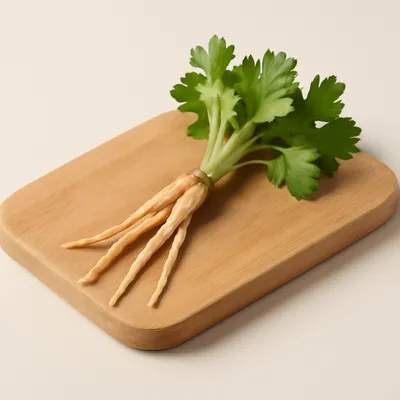
Off heat. Add 4 tbsp fish sauce, 4 tbsp lime juice, and 6-8 bird's-eye chiles pounded with a few cilantro roots. Taste: should hit hard — saliva-pulling sour, slap of dry-chile heat, deep pork. Adjust with more lime or fish sauce.
Watch outSeason off the heat and taste hard — it should pull your saliva sour first, then slap with dry-chile heat; if it's flat, more lime or fish sauce.
- 52 min
Ladle into bowls. Top with sawtooth coriander (phak chi farang) torn by hand and a final pinch of khao kua for texture. Serve with sticky rice on the side.
Archive tool suggestions — not reviewed
These legacy suggestions have not been evidence-reviewed and are not presented as required tools.