
Minced freshwater fish — usually tilapia or catfish — flash-poached and tossed with toasted-rice powder, mint, sawtooth coriander, dried chile flakes, lime, and fish sauce.
Larb plaa is the freshwater-river version found across Isaan and northern Laos, where the Mekong tributaries provide tilapia, snakehead, and catfish year-round. Unlike larb made with red meat or duck, fish larb is rarely served with raw blood — the equivalent traditional finish was raw fish (larb plaa dib), but heat-poached versions dominate today for safety. Cooks distinguish larb plaa from another fish-mince dish, koi plaa, by the cooking step and the ratio of herbs.
Freshwater-river larb of the Mekong tributaries — tilapia, snakehead, catfish. Sawtooth coriander (pak chee farang) is what makes it Isaan; without it the dish goes flat. A 90-second poach with bruised lemongrass keeps the flakes discrete.
Lighter than meat larb on every axis: less fat, less metallic depth, more herb-forward. The fish is in flakes, not chunks, so it carries the dressing further into the mouth — you taste lime and chile before you register the protein. Sawtooth coriander (pak chee farang) is what makes it Isaan; without it the dish goes flat. A common failure is over-poaching the fish into mush; you want loose discrete flakes that still hold shape under the toss.
Aromatic poach is the technique that distinguishes larb plaa from a generic Thai fish salad. Plain water turns fish bland; a 90-second simmer with bruised lemongrass and kaffir lime leaf perfumes the flesh while denaturing surface protein, so the flakes stay discrete in the toss. Two tablespoons of the aromatic liquid stays with the fish — when the lime hits, that liquid is what carries the citrus through the bite instead of just sitting on top.
Variations
Larb plaa nin (tilapia, the everyday); larb plaa chon (snakehead, prized for firmer flake); larb plaa duk (catfish, oilier and stronger); koi plaa is the raw cousin (the focus of major public-health campaigns due to liver-fluke risk, which is strongly linked to the world's highest rate of bile-duct cancer in Isaan's Khon Kaen province); northern-Thai larb plaa uses phrik larb spice blend instead of khao kua.
On the Palate
Where Larb Plaa sits in the Thai flavor cloud
Ingredients
Serves 3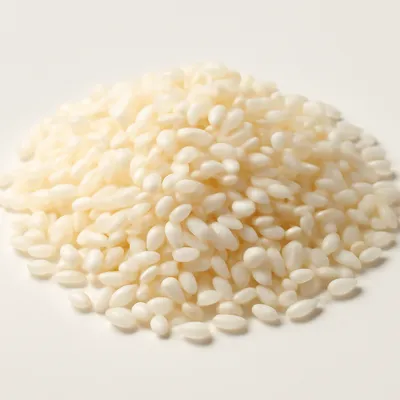


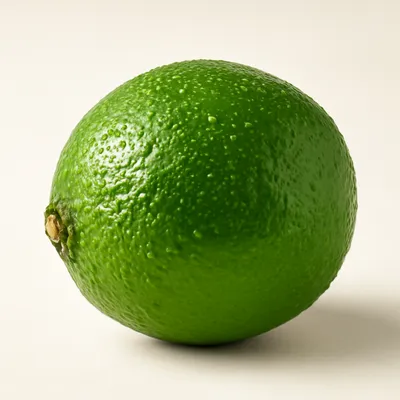

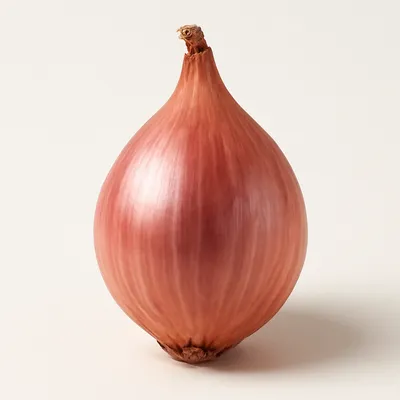

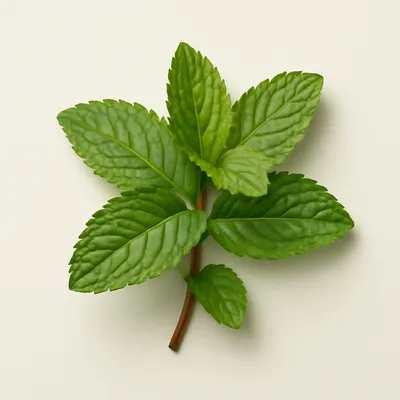


How it's made
6 steps · 20 min active + 5 min waiting
- 18 min
Toast 2 tablespoons sticky rice in a dry pan over medium-low until deep amber, ~8 minutes. Cool and pound coarse — khao kua.
Watch outToast the sticky rice over medium-low until deep amber and nutty — pull it pale and the khao kua has no fragrance; too dark and it goes acrid.
- 21 min
Toast 5 dried chiles 1 minute, pound to flakes. Reserve.
- 35 min
Skin and bone 350g tilapia or catfish fillet. Hand-mince to 4mm pieces with a cleaver — fish flakes are too fragile for a food processor.
Watch outHand-mince the fish to about 4mm with a cleaver — a food processor pulps the delicate flesh into paste.
- 43 min
Bring 100ml water to a simmer in a wok with 1 sliced lemongrass stalk and 3 crushed kaffir-lime leaves. Add the fish, stir-break for 90 seconds — just opaque, not boiled to dryness. Drain off excess water but keep 2 tablespoons of the aromatic liquid in.
Watch outPoach the fish just 90 seconds to opaque and keep 2 tablespoons of the aromatic liquid in — that spoonful is what carries the lime through each bite instead of it sitting on top.
- 52 min
Off heat. Add 2.5 tablespoons lime juice, 2 tablespoons fish sauce, the chile flakes, 2 tablespoons khao kua, 3 sliced shallots, 2 sliced scallions, a big handful of mint, sawtooth coriander, and culantro torn at the table. Toss gently — you want flakes intact, not paste.
Watch outToss gently so the flakes stay whole — work it too hard and the fish breaks down into paste.
- 61 min
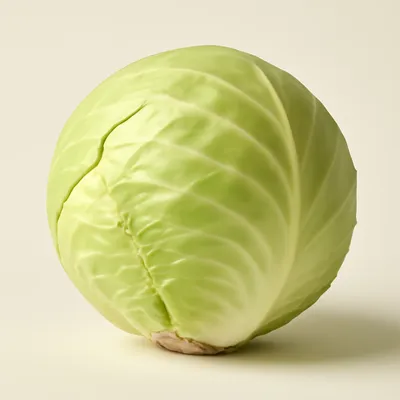
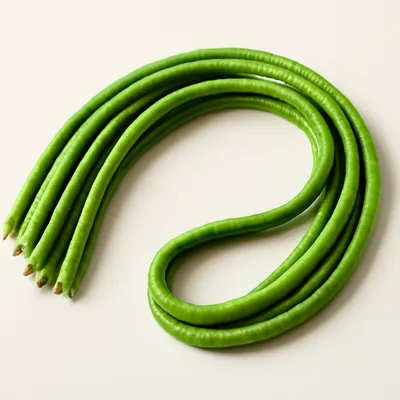
Plate flat, scatter extra herbs, serve with sticky rice, raw cabbage wedges, long beans, and cucumber rounds. Eat warm; texture deteriorates after 15 minutes.
Archive tool suggestions — not reviewed
These legacy suggestions have not been evidence-reviewed and are not presented as required tools.
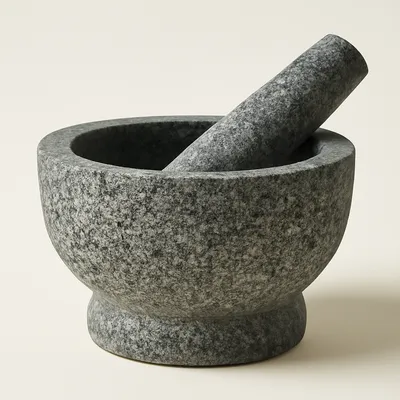
The simplest tool in any kitchen: a heavy bowl and a club to bash things in it. Different cuisines use different stones — Thai cooks pound green papaya in a tall granite mortar (krok hin); pesto Genovese requires the soft-pored Carrara marble; Indian masalas grind down on rough basalt. The bash-don't-cut motion releases volatile oils that a blade keeps sealed in the cell wall.

A heavy rectangular Chinese knife — the cai dao — with a flat 18-22 cm blade about 2 mm thick. The single tool handles every kitchen job: julienning ginger, splitting whole chickens, smashing garlic with the side of the blade, scooping diced onions on the broad face. The flat profile means knife-skill in Chinese kitchens is fundamentally different from Western technique — you push-cut and rock-cut, never slice through.


