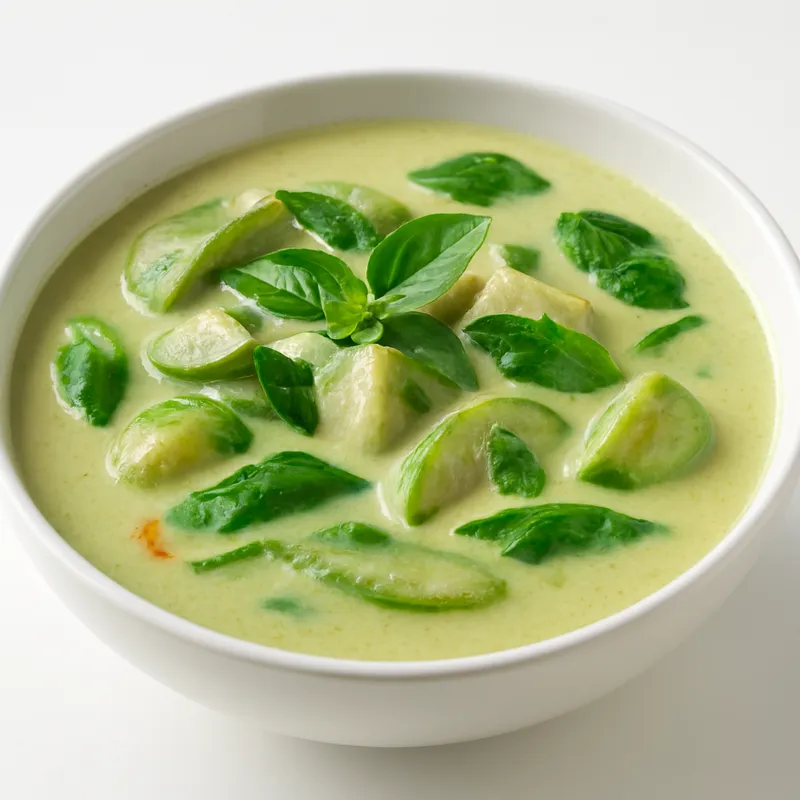
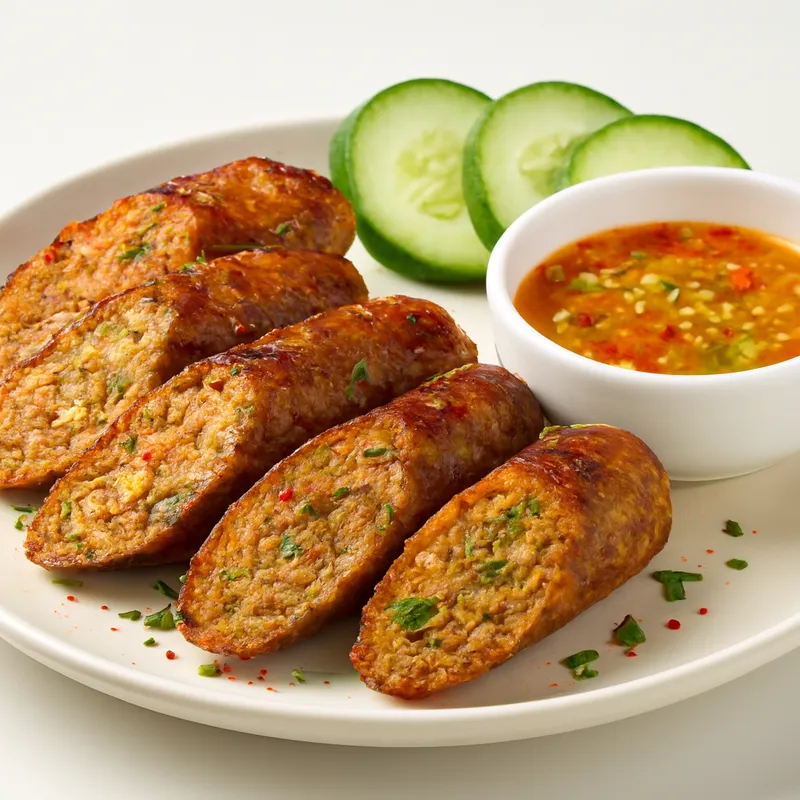
Minced duck cooked in its own fat with toasted-rice powder (khao kua), lime, fish sauce, mint, scallion, dried chile — sometimes finished with raw duck blood for the traditional version.
Larb is the national dish of Laos and the everyday protein dish of Thailand's Isaan region — the two share an ethnic Lao population on both sides of the Mekong. Duck larb is one of several variants (chicken, pork, beef, raw water-buffalo, fish), with duck favored in households that raise birds in the rice paddies. The use of fresh blood (luu / lab) is the older village form; restaurant versions outside Isaan usually omit it.
Duck variant of Lao-Isaan larb. Khao kua is the load-bearing element — toasted glutinous rice ground sandy, not floury. Under-toasted khao kua tastes like raw flour and ruins the plate. Eaten warm not hot, with sticky rice and cabbage.
Warm not hot — larb cools fast off heat, and that's intentional. The duck reads as duck (not generic minced meat) because the chunks are big enough to chew. Khao kua sticks to every piece and does two things: gives a nutty toast aroma and absorbs the dressing into a pasty coat that clings to sticky rice. Lime arrives before fish sauce, then the slow burn of dried (not fresh) chile. With duck blood added, there's a faint iron note that anchors the whole plate. Eat by hand: pinch sticky rice, dab into larb, eat with a leaf of cabbage.
Khao kua is the load-bearing element. Toasting raw sticky rice past blond into deep amber breaks down the starch into Maillard-browned flavors that fish sauce alone can't deliver — under-toasted khao kua tastes like raw flour and ruins the dish. Cooking duck with water before its fat renders is a regional trick: the meat poaches before it sears, staying tender in coarse mince form, and the rendered fat then enriches the dressing without frying the meat hard.
Variations
Larb pet Udon (with fresh duck blood, the older village form); larb pet suk (cooked, restaurant default outside Isaan); Luang Prabang version goes heavier on mint and adds duck liver; northern-Thai (Chiang Mai) larb uses a dry spice blend (phrik larb) instead of khao kua and chile.
On the Palate
Where Larb Pet sits in the Thai flavor cloud
Ingredients
Serves 3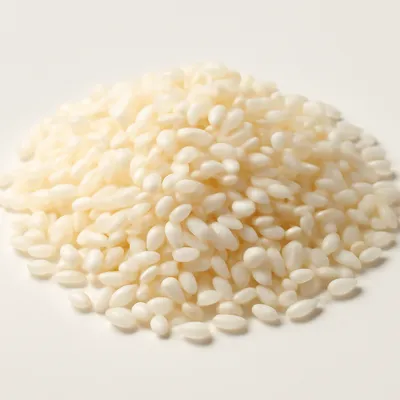

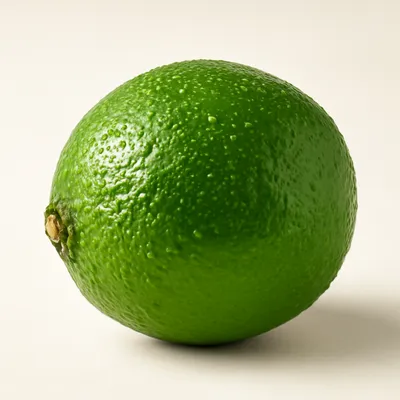

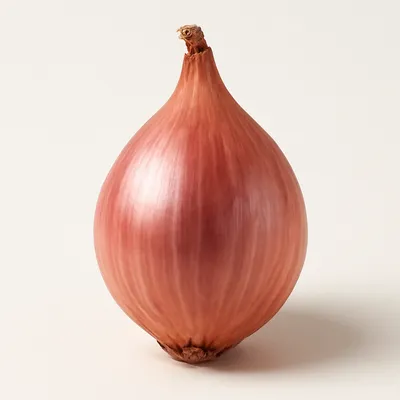

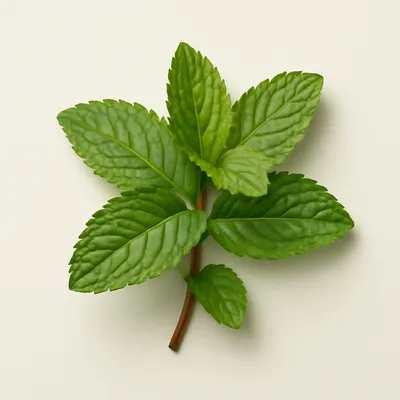

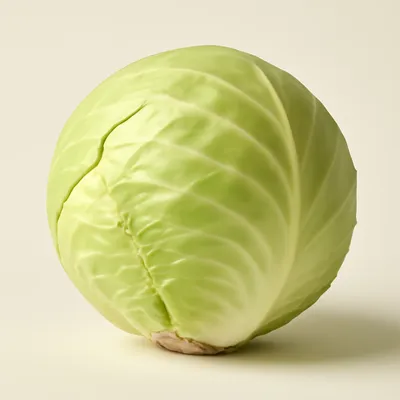


How it's made
6 steps · 25 min active + 5 min waiting
- 18 min
Toast 3 tablespoons raw sticky rice in a dry skillet over medium-low, shaking constantly, until the grains are deep amber and smell like popcorn — about 8 minutes. Cool, then grind to a coarse sand in a mortar. This is khao kua.
Watch outToast the sticky rice past blond into deep amber, until it smells like popcorn — stop too soon and the khao kua tastes like raw flour and drags the whole larb down.
- 21 min
Toast 6-8 dried bird's-eye chiles in the same pan 1 minute until brittle and fragrant. Pound to flakes; reserve.
- 36 min
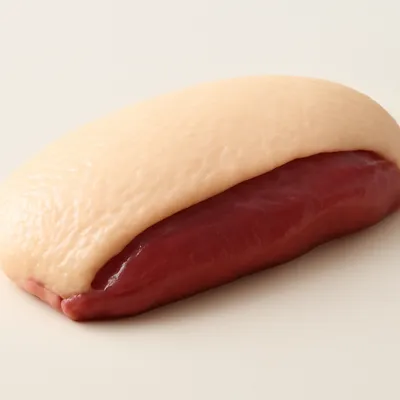
Hand-mince 400g skin-on duck breast (or duck leg) to a rough chop with two cleavers — 3-4mm pieces, not paste. Keep the skin and fat in.
- 44 min
Heat a wok over medium-high without oil. Add the duck and 2 tablespoons water — the water lets the meat cook before its fat renders, preventing scorch. Stir-break clumps for 4 minutes until just cooked through; the rendered duck fat should pool around it.
Watch outAdd the water with the duck so the meat poaches before its fat renders — that's what keeps the coarse mince tender and stops it scorching on the dry wok.
- 52 min
Off heat. Immediately add 3 tablespoons lime juice, 2.5 tablespoons fish sauce, the chile flakes, 2 tablespoons khao kua, 4 sliced shallots, 3 sliced scallions, and a fistful of mint and sawtooth coriander. Toss until the rice powder coats every piece.
Watch outDress it off the heat while still warm and toss until the rice powder coats every piece — warm meat grabs the lime and fish sauce far better than cold.
- 62 min
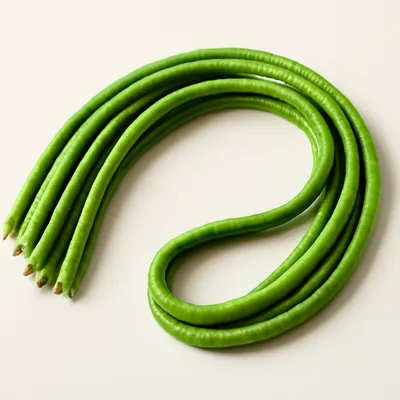
Optional traditional finish: stir in 2 tablespoons fresh duck blood (luu) at the end — turns the larb dark mahogany and adds metallic depth. Plate with sticky rice, raw cabbage, long beans, and Thai basil on the side.
Archive tool suggestions — not reviewed
These legacy suggestions have not been evidence-reviewed and are not presented as required tools.
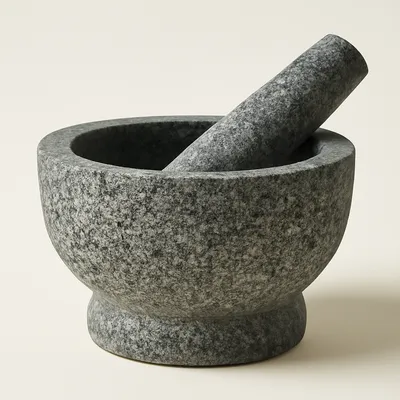
The simplest tool in any kitchen: a heavy bowl and a club to bash things in it. Different cuisines use different stones — Thai cooks pound green papaya in a tall granite mortar (krok hin); pesto Genovese requires the soft-pored Carrara marble; Indian masalas grind down on rough basalt. The bash-don't-cut motion releases volatile oils that a blade keeps sealed in the cell wall.
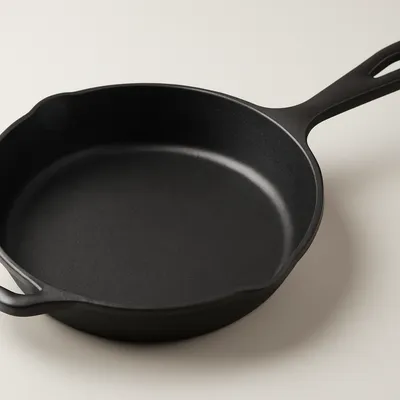
A heavy, single-piece cast iron pan, 25-30 cm across, weighing 1.5-2.5 kg. Once preheated, the thick mass holds 230°C+ even when a cold steak hits the surface — that's the secret to a deep crust. A well-seasoned skillet (multiple thin layers of polymerized oil baked into the iron) is essentially nonstick, gets better with use, and lasts a century. Lodge skillets from Tennessee have been in continuous production since 1896.

A heavy rectangular Chinese knife — the cai dao — with a flat 18-22 cm blade about 2 mm thick. The single tool handles every kitchen job: julienning ginger, splitting whole chickens, smashing garlic with the side of the blade, scooping diced onions on the broad face. The flat profile means knife-skill in Chinese kitchens is fundamentally different from Western technique — you push-cut and rock-cut, never slice through.