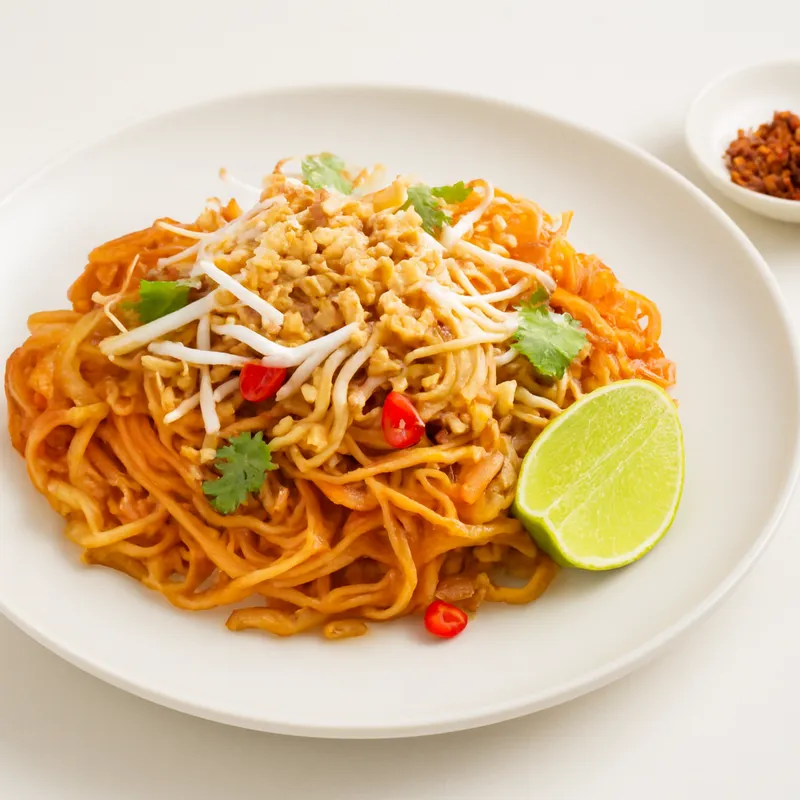
Charred pork neck (scotch) sliced thin, dressed with lime, fish sauce, toasted-rice powder, dried chile, mint, scallion, shallot — close cousin of larb but built around grill juices.
Nam tok translates as waterfall, named for the juices that drip from grilled meat as it rests and the dripping sound on the coals. The dish is Isaan-Lao in origin and is essentially a grilled-meat variant of larb — same dressing template (lime, fish sauce, khao kua, chile, herbs), but the protein is sliced from a charred whole piece instead of being minced raw and cooked in pan. Beef (nam tok neua) is the older village version; pork became the Bangkok-restaurant default in the late 20th century as kor moo yang (grilled pork neck) caught on independently.
「Waterfall」 for the juices that drip off resting grilled meat onto the coals. Same dressing template as larb — lime, fish sauce, khao kua, dried chile — but the protein is sliced from a charred whole piece. The 5-minute rest yields 2-3 tablespoons of drippings, and that's the dish.
Halfway between larb and a steak salad. Each slice has a dark grilled crust on the edges and a still-rosy centre, sitting in a puddle of pork juices that the dressing has gone red-brown. Fish sauce and lime hit first, then the smoke from the char, then the slow burn of dried chile. Khao kua thickens the juices into a clinging glaze rather than a runny dressing. The benchmark: pork should be sliced thin enough that one bite includes both crust and centre — thick chunks taste like leftover barbecue with a sauce on top.
Resting the grilled pork is non-negotiable: 5 minutes off heat lets carry-over cooking finish the centre while juices reabsorb partially and a measurable 2-3 tablespoons drip into the resting plate. Those drippings are the dish — they replace the pan-rendered fat that meat-larb has, and they're what the dressing rides on. Slicing against the grain matters more than usual because pork shoulder is connective-tissue heavy; a with-the-grain slice eats stringy and refuses to absorb the dressing.
Variations
Nam tok neua (beef, the older village form); nam tok moo (pork neck, Bangkok restaurant default since the 1990s); nam tok pet (duck breast, restaurant invention); kor moo yang is the related grilled-pork-neck dish without the dressing toss.
On the Palate
Where Nam Tok Moo sits in the Thai flavor cloud
Ingredients
Serves 3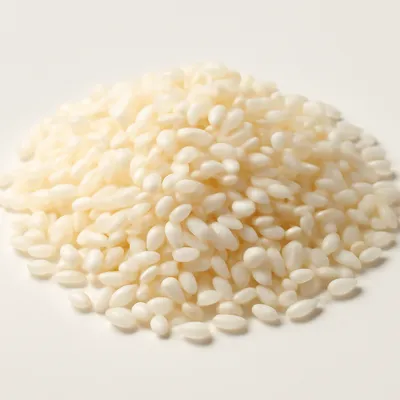





How it's made
6 steps · 20 min active + 5 min waiting
- 18 min
Toast 2 tablespoons sticky rice in a dry pan over medium-low until deep amber, ~8 minutes; cool, pound to coarse khao kua.
Watch outToast the sticky rice low and slow to deep amber, about eight minutes — pale rice has no fragrance, but let it tip to dark brown and the khao kua turns bitter.
- 21 min
Toast 5 dried chiles 1 minute in the same pan, pound to flakes.
- 32 min
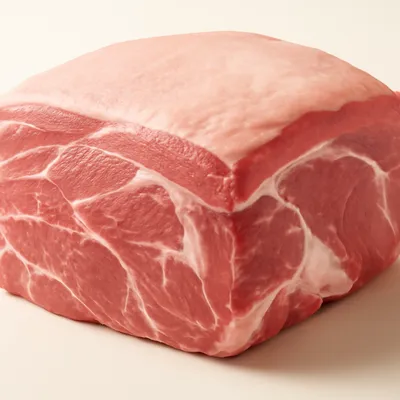
Score 400g pork shoulder (kor moo, neck cut, fat-marbled) into a 2cm-thick slab. Rub with 1 tablespoon fish sauce and 1 teaspoon ground white pepper. Rest 10 minutes.
- 48 min
Grill over hot charcoal (or a screaming-hot cast iron) 4 minutes per side — you want char on the outside while the centre stays at 60°C / blush pink. Rest 5 minutes off heat. The juices that pool are the namesake nam tok (waterfall) — save them.
Watch outGrill charred outside but pull it at a blush-pink 60-degree center, then rest five minutes off heat — those juices pooling on the plate are the 'waterfall', so save every drop.
- 52 min
Slice the pork against the grain into 4mm strips. Tip into a wide bowl with all juices.
Watch outSlice firmly against the grain — pork neck is stringy with the grain and won't drink up the dressing; crosswise strips stay tender and soak up the lime.
- 62 min
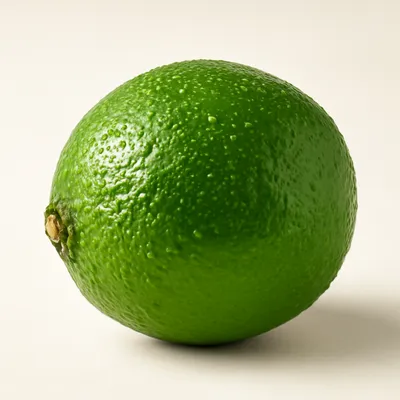
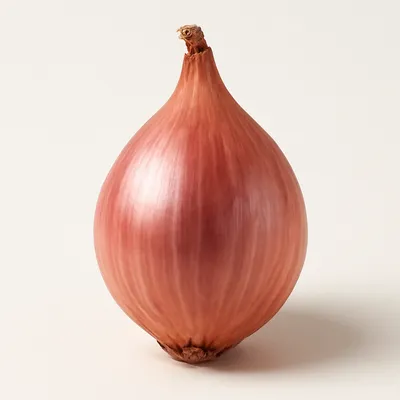
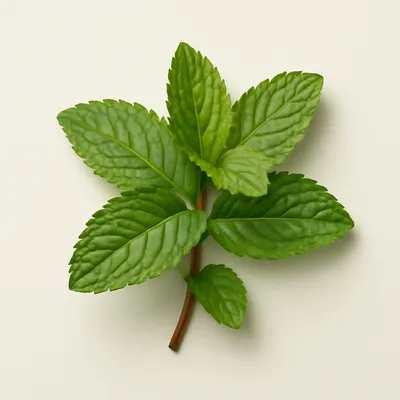
Add 3 tablespoons lime juice, 2 tablespoons fish sauce, 1 teaspoon palm sugar, the chile flakes, 2 tablespoons khao kua, 4 sliced shallots, 3 sliced scallions, a fistful of mint and sawtooth coriander. Toss once, taste, plate. Serve warm with sticky rice and raw vegetables.
Archive tool suggestions — not reviewed
These legacy suggestions have not been evidence-reviewed and are not presented as required tools.
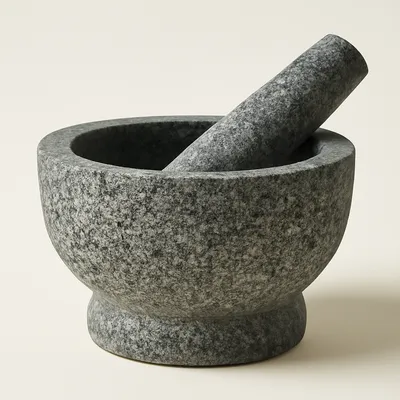
The simplest tool in any kitchen: a heavy bowl and a club to bash things in it. Different cuisines use different stones — Thai cooks pound green papaya in a tall granite mortar (krok hin); pesto Genovese requires the soft-pored Carrara marble; Indian masalas grind down on rough basalt. The bash-don't-cut motion releases volatile oils that a blade keeps sealed in the cell wall.
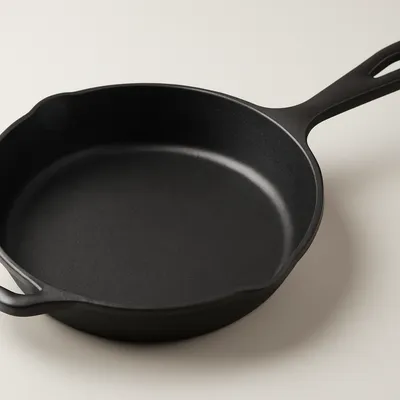
A heavy, single-piece cast iron pan, 25-30 cm across, weighing 1.5-2.5 kg. Once preheated, the thick mass holds 230°C+ even when a cold steak hits the surface — that's the secret to a deep crust. A well-seasoned skillet (multiple thin layers of polymerized oil baked into the iron) is essentially nonstick, gets better with use, and lasts a century. Lodge skillets from Tennessee have been in continuous production since 1896.
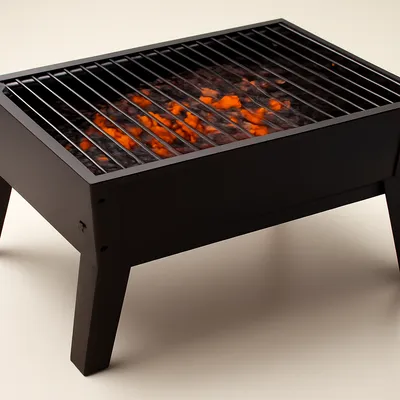
An open or hooded metal frame holding a bed of glowing charcoal embers, with a grate above. Charcoal burns at 700°C+ on the surface and emits short-wave infrared, which cooks proteins faster and with deeper Maillard browning than gas. Hardwood lump charcoal (oak, mesquite, fruitwood) lends its own smoke; cheap briquettes do not. Mastery is mostly heat zoning — direct over coals for searing, indirect off-coals for slow-roasting.