
Thai sukiyaki — 'suki' — is a communal pot of glass noodles, seafood, sliced meat, egg and leafy greens cooked in a clear broth, served with a distinctive sweet-spicy-tangy dipping sauce thick with chili, garlic, fermented bean curd and lime. Despite the Japanese-sounding name it is a Chinese-Thai dish, not Japanese, and exists in two forms: suki nam, simmered in broth like a hotpot, and suki haeng, stir-fried 'dry' in the same seasonings. It is a casual, share-the-pot family meal, and in Thailand it is inseparable from one restaurant chain in particular.




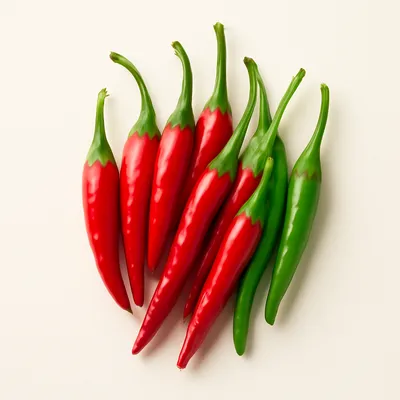
The name is a borrowing, not a lineage: Thai suki takes its word from Japanese sukiyaki but the dish is fundamentally a Chinese-Thai hotpot, closer to a clear Chinese huo guo than to any Japanese dish. By widely repeated account it spread in Bangkok from the 1980s through the chain restaurant MK, which built a national institution on the format — to many Thais 'suki' simply means an MK-style meal. The dipping sauce is the soul of the dish and the part that is distinctly Thai: a red, sweet-hot-sour blend of chili, garlic, fermented red bean curd (tao hu yi), sesame, sugar and lime. The two formats — broth-simmered suki nam and dry stir-fried suki haeng — are both standard, the dry version essentially the same ingredients tossed in a wok with the sauce.
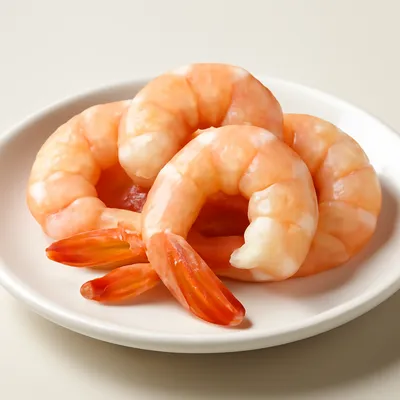
From a steaming communal pot you fish out springy glass noodles, sweet prawns and squid, thin slices of pork, wilted morning glory and napa cabbage, and a poached egg, each dunked in the ruby sauce before eating. The broth itself is mild and clean — celery, garlic, a little pepper — so the dip does the heavy lifting: sweet up front, then a building chili heat, sour lime and the funky, cheese-like depth of fermented bean curd underneath. The dry stir-fried version coats everything in that same red sauce, glossier and more concentrated.
Suki is built on quick poaching: a near-boiling clear broth cooks delicate seafood and thin meat in seconds and tender greens in a breath, so the order and timing of dunking matters — dense items and noodles first, leaves and egg last — to keep everything just-done. Glass noodles, slippery and near-flavorless, soak up broth and sauce alike. The real engineering is in the dip: fermented red bean curd supplies a deep, glutamate-rich umami and a cheese-like funk from the mold-and-brine fermentation of soybean, while chili brings capsaicin heat, sugar rounds it, sesame paste or seeds give body, and lime's acidity lifts the whole thing and keeps the richness from cloying. In the dry suki haeng, the same sauce is reduced in a hot wok so its sugars lightly caramelize and cling to the noodles and seafood instead of staying a loose dip.
Variations
Suki nam (in broth, like hotpot) and suki haeng (dry, stir-fried) are the two core forms; either can be talay (seafood), moo (pork), or mixed. Restaurant versions add fish balls, tofu, quail eggs and wood-ear mushroom; a raw egg cracked into the pot or the bowl is common. The dip is the great variable — every shop guards its ratio of fermented bean curd, chili, sesame and sugar, and bottled 'suki sauce' is sold for home use. The whole format is a Chinese-Thai cousin of clear hotpot, not the soy-sweet Japanese sukiyaki its name borrows.
On the Palate
Where Suki sits in the Thai flavor cloud
Ingredients
Serves 4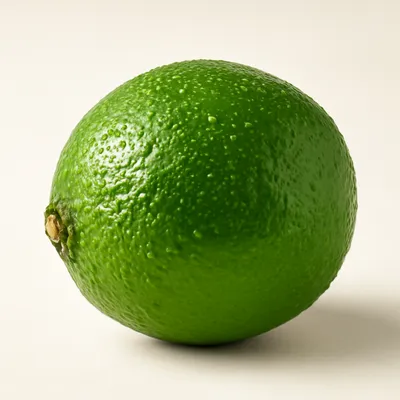
How it's made
8 steps · 20 min active + 10 min waiting
- 18 min
Make the dip: blend fermented red bean curd, chopped garlic and chili, sesame, sugar, lime juice and a little stock into a thick red sauce.
- 212 min
Prepare the pot ingredients: soak glass noodles, slice pork, clean prawns and squid, wash morning glory and napa cabbage.
- 35 min
Bring a clear broth of stock, smashed garlic, celery and white pepper to a gentle boil.
- 43 min
Add the firmer items first — pork slices, prawns, squid — and simmer briefly until just cooked.
Watch outPoach the pork, prawns, and squid only until just cooked — seconds too long in the near-boiling broth and they turn rubbery.
- 52 min
Add the glass noodles and let them soften and absorb broth.
- 62 min
Add the leafy greens and crack in an egg; cook only until the greens wilt.
Watch outAdd the greens and egg last and cook only until the leaves wilt — everything should stay just-done, not stewed.
- 71 min
Ladle into bowls or eat straight from the communal pot, dunking each piece in the dip.
- 85 min
For suki haeng, instead stir-fry the same ingredients in a hot wok with the sauce until glossy and dry.


