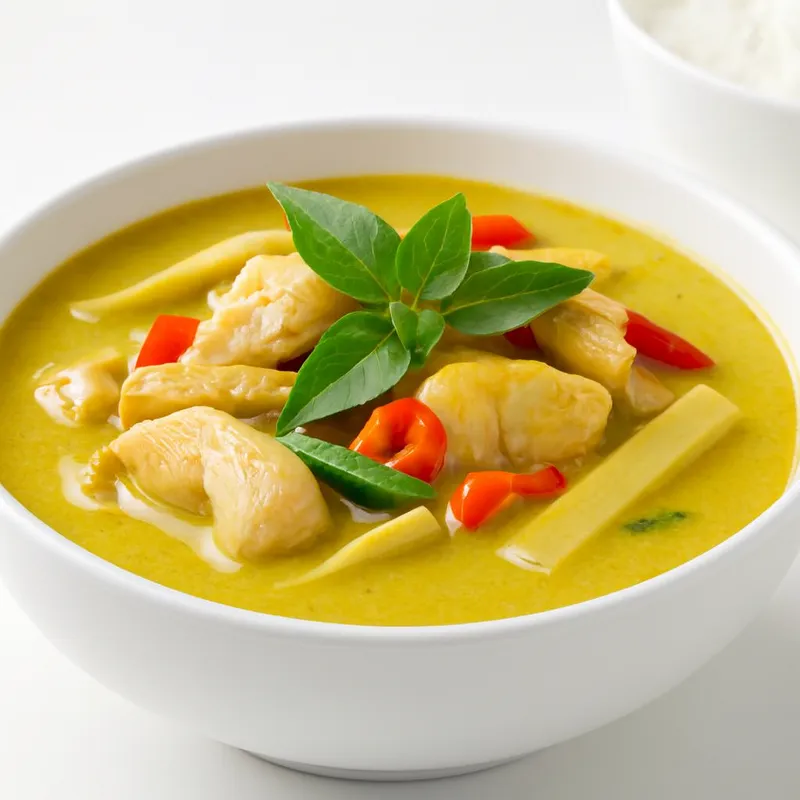
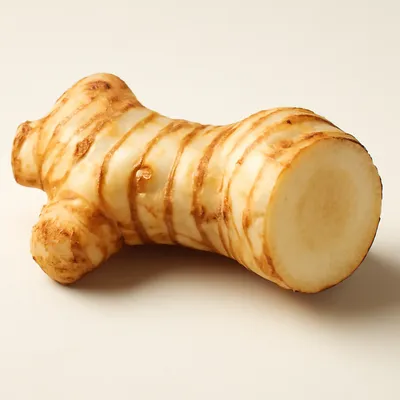
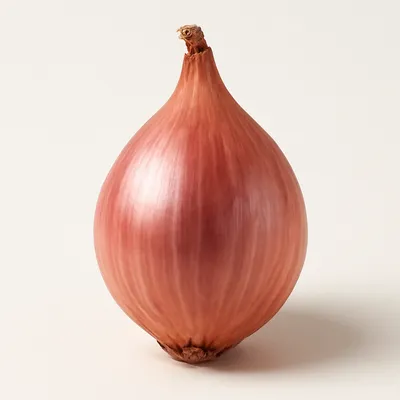
A thick, dark, smoky-sweet chili relish of Lao origin, built from dried chilies, galangal, shallot and garlic that are charred or toasted before pounding, then simmered with fish sauce, tamarind and palm sugar into a jammy paste. In its homeland of Luang Prabang it is enriched with fine threads of dried water-buffalo or pork skin, which give it body and chew. It is not a fresh dipping sauce but a keeping condiment — sticky, intense, and scooped in small amounts with sticky rice. A jar lasts for weeks.



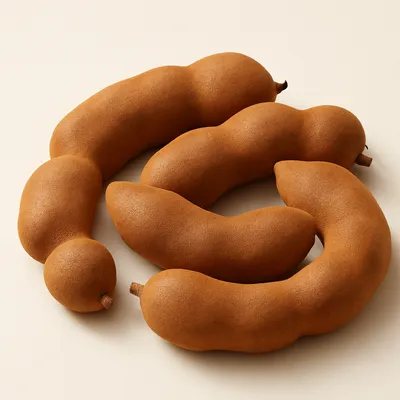
Jaew bong is a Lao chili relish from Luang Prabang in northern Laos, where it is a celebrated everyday condiment and, in the old royal kitchen, a noted favourite — it appears in the mid-20th-century compilation 'Traditional Recipes of Laos' drawn from palace cooking. It crossed the Mekong with Lao culture into Isaan, where it is eaten alongside the rest of the northeastern table; the name and the dish are honestly Lao in lineage. The word bong is linked to its keeping quality, as charring, sun-drying and a sugar-and-salt cook give it a long shelf life from a time before refrigeration. No single inventor or founding date is recorded.
Deep red-brown and glossy, clinging to the spoon. The first taste is smoke and toasted chili, then a wave of sweet-sour from palm sugar and tamarind, then galangal's piney warmth and the slow build of dried-chili heat at the back. Where buffalo skin is used, fine gelatinous threads give a soft chew that catches the paste. It is salty, concentrated and a little sticky — a smear on sticky rice is enough, and the heat lingers.
Flavour is built by dry heat before any liquid touches the pan: charring and toasting the chilies, galangal, shallot and garlic drives Maillard browning and caramelises their sugars, which is the source of the relish's defining smoky depth — skip it and the paste tastes flat and raw. The aromatics are then pounded to a coarse paste to release oils, and simmered down with fish sauce, tamarind and palm sugar until much of the water cooks off. That long reduction concentrates salt and sugar to levels that, together with the low moisture and acid from tamarind, suppress microbial growth and let the relish keep for weeks unrefrigerated. Buffalo or pork skin, briefly cooked and shredded, dissolves just enough collagen to thicken and bind the paste while leaving a pleasant chew.
Variations
The Luang Prabang classic carries shredded buffalo skin; pork-skin and skinless versions are common, and dried-fish, padaek or mushroom additions appear from kitchen to kitchen. Sweetness and heat are tuned to taste, with some makers leaning jammy and others fierce and salty. In Isaan it sits in the same family as the local jaew dipping sauces but stands apart as the thick, cooked, keeping relish. A small jar is a standard household staple across the Lao-Isaan world.
On the Palate
Where Jaew Bong sits in the Thai flavor cloud
Ingredients
Serves 12

How it's made
6 steps · 30 min active + 15 min waiting
- 112 min
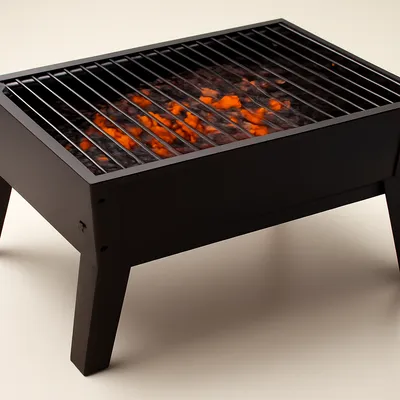
Char or dry-toast the dried chilies, galangal, shallots and garlic until fragrant and blistered, then let cool.
Watch outDry-toast the chilies and aromatics until they blister and smell smoky, not just warm — this char is the relish's whole backbone; skip it and it tastes raw and flat.
- 212 min
If using buffalo or pork skin, simmer until soft, then slice into fine threads.
- 35 min
Pound the toasted aromatics with a little salt to a coarse paste.
- 412 min
Simmer the paste with fish sauce, tamarind and palm sugar, stirring, until thick and glossy.
Watch outReduce until the paste turns thick and glossy and the oil starts to bead out — that low moisture and concentrated salt-sugar is what lets it keep.
- 54 min
Stir in the shredded skin and cook a few minutes more to bind.
- 62 min
Cool fully and pack into a clean jar; serve in small amounts with sticky rice.
Archive tool suggestions — not reviewed
These legacy suggestions have not been evidence-reviewed and are not presented as required tools.