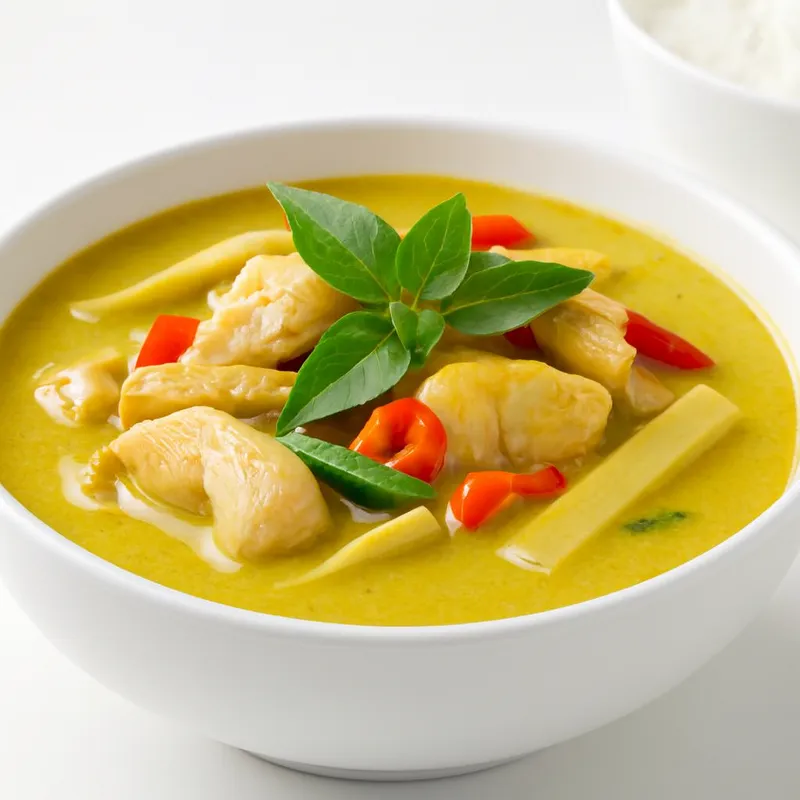
Aromatic Thai curry of chicken or prawns simmered in coconut milk with green curry paste, Thai basil, and bamboo shoots.
Kaeng khiao wan ('sweet green curry') was first documented in early 20th-century central Thai cookbooks and is generally dated to the reign of Rama VI or Rama VII (c. 1908–1926), having taken shape in the royal kitchens of Bangkok. The 'sweet' in the name refers to color (a Thai convention for vivid greens), not flavor. Coconut milk and palm sugar entered Thai curries via earlier south Indian and Malay influence.
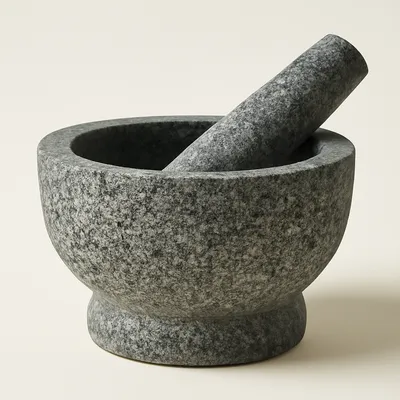
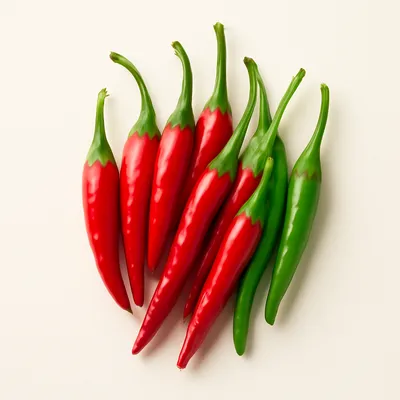
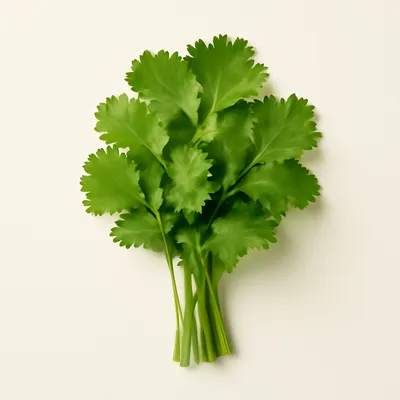
Gaeng keow wan — green from fresh bird's-eye chiles and coriander root, not basil. The paste is pounded in a granite mortar; a blender oxidizes it dull and grassy.
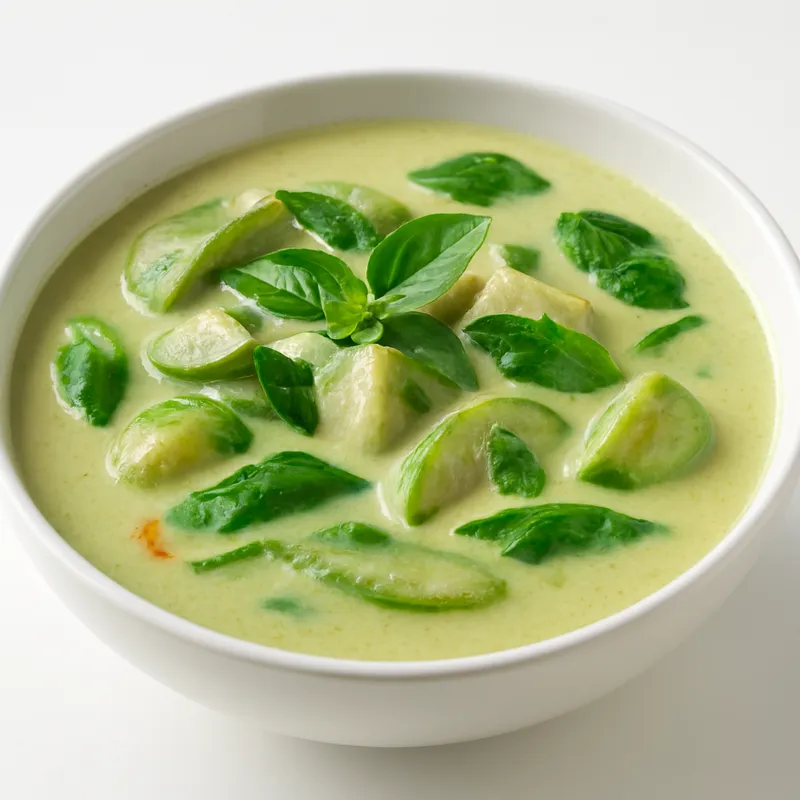
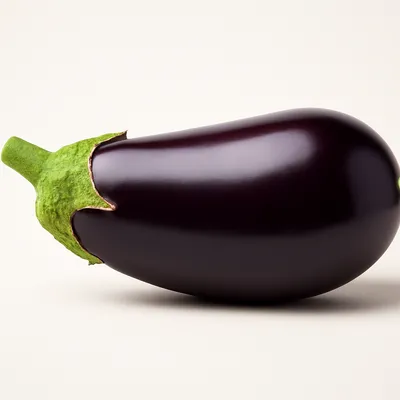
A pale jade-green coconut gravy, looser than red curry, with chicken or prawn, pea eggplant the size of green peas, slivered bamboo shoot, torn kaffir lime leaf, and Thai basil tossed in last. Heat is sharp and bright — green chili, not dried red — and the basil aroma comes off the bowl in a wave. Eaten over jasmine rice; the gravy is meant to be ladled, not coated.
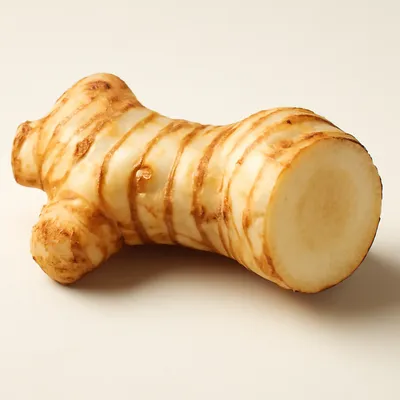
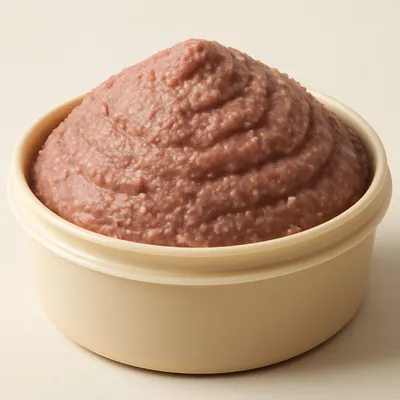
The paste is the dish: green bird's eye chili, lemongrass bottom, galangal, kaffir lime zest, coriander root, white peppercorn, shrimp paste, garlic — pounded fresh in a granite mortar. Pre-made paste loses the volatile aromatics within days. Coconut cream is cracked first (boiled until oil separates) and the paste is fried in that oil before liquid goes in; skipping the crack makes a flat, milky curry.
Variations
Central Thai version is sweetest (palm sugar heavy); Southern runs hotter and saltier with shrimp paste forward; vegetarian Issan cooks substitute fermented soybean for the gapi.
On the Palate
Where Green Curry sits in the Thai flavor cloud
Ingredients
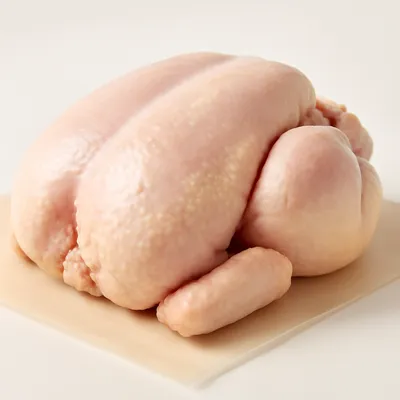

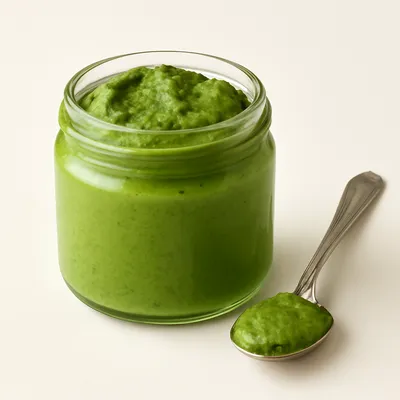




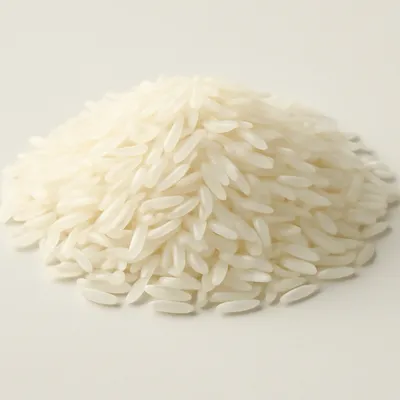









How it's made
4 steps · 20 min
- 12 min
Heat a splash of oil in a large pot over medium heat. Add green curry paste, stirring constantly until the paste is fragrant and slightly darkened, about 2 minutes.
Watch outThe paste is ready when it stops smelling raw and green, darkens a shade, and the oil around it looks glossy — about two minutes.
- 25 min
Pour in the coconut milk, stirring to combine with the curry paste. Bring to a gentle simmer, allowing the flavors to meld, about 5 minutes.
Watch outKeep it at a bare simmer, just a few bubbles — hard boiling here splits the coconut into grease.
- 310 min
Add chicken pieces and eggplant to the pot, ensuring they are submerged in the curry. Cook until the chicken is tender and the eggplant is soft, about 10 minutes.
Watch outThe chicken's done when it's just firm and the eggplant has gone soft and slightly translucent, taking on the green of the sauce.
- 43 min
Stir in bamboo shoots and fish sauce, simmering for an additional 3 minutes to heat through and enhance the flavor.
Watch outAdd fish sauce off heat if you want to preserve its fresh flavor.
Archive tool suggestions — not reviewed
These legacy suggestions have not been evidence-reviewed and are not presented as required tools.