
A rustic herb-and-vegetable curry of the Lanna region of northern Thailand, built on a pounded northern chili paste (nam prik kaeng) and a plain water broth with no coconut milk. It is loaded with a changing mix of foraged greens and bitter vegetables, the signature being acacia shoots (cha-om) and sawtooth coriander (pak chee farang), alongside wild pepper leaf (the phak khae the dish is named for), pea eggplant, ivy gourd and Acmella oleracea (toothache-plant) leaves. Protein is whatever is at hand, most often chicken or frog, sometimes pork, beef or freshwater fish. Funky depth comes from shrimp paste or, in the deeper Lanna tradition, tua nao fermented soybean. It is served hot over rice, usually the sticky rice of the north.


A village and home dish of Lanna (northern Thai) cooking; its exact origin is unrecorded, as is typical of foraged peasant curries with no single inventor or date. What is documented is its regional grammar: across Chiang Mai, Chiang Rai and Nan, Lanna curries with very few exceptions use no coconut milk, because coconut palms do not grow well in the cool, landlocked highlands, so the broth is plain water carried by the pounded paste and herbs. The name comes from phak khae, the northern name for wild pepper leaf (Piper sarmentosum), one of its herbs — not from the dok khae (Sesbania) flower it is sometimes confused with. The cuisine's funky backbone, tua nao fermented soybean, is associated with the Tai Yai (Shan) and Tai Lue peoples of the upland borderlands and predates the central Thai reliance on shrimp paste.
Hot in temperature and brothy rather than thick, with no coconut richness to round it off, so the flavor lands lean, green and sharp. The base is salty-savory and gently spicy from the chili paste; against it the vegetables stack a layered bitterness — the grassy, nutty bitter of cooked cha-om, the cool herbal bite of wild pepper leaf, and the faint tingling buzz of toothache-plant leaves on the tongue. Sawtooth coriander gives a loud, almost soapy-citrus lift, while shrimp paste or fermented soybean leaves a deep funky undertow. Each spoonful is a different tangle of soft-simmered greens and tender meat.
The flavor is built entirely in the mortar and the pot, since there is no coconut to fry the paste in. The nam prik kaeng is pounded from dried chili, shallot, garlic, lemongrass, galangal, salt and a fermented protein — shrimp paste, or tua nao fermented soybean in the Lanna style — until the cell walls of the aromatics rupture and release their oils. That paste is loosened straight into simmering water (sometimes first stirred in a little rendered fat or with the meat) rather than cracked in coconut cream as a central curry would be, so depth has to come from the long simmer and the fermented umami: glutamates from the shrimp paste or soybean, and the inosinate of the meat, build a clean savory broth. The defining move is cha-om: raw acacia shoots carry pungent, metallic, sulfur-edged volatiles that smell foul, but simmering drives off those volatiles and converts the harshness into a warm, nutty taste — which is why here the cha-om is dropped into the boiling curry rather than blanched off into an omelette as it is elsewhere. The bitter and tingling greens go in late so they wilt but keep their bite, and the toothache-plant leaves contribute spilanthol, the compound behind their characteristic numbing tingle.
Variations
The greens are the most variable part of any Thai curry, shifting by season and household — common additions include Sesbania (dok khae) flowers, ivy gourd, bamboo shoot, pea eggplant, banana blossom and dried Bombax ceiba flower cores. The protein names the version: kaeng khae kai with chicken, with frog, with dried fish or with snails (kaeng khae hoi). A drier sibling, khua khae, is stir-fried down with far less liquid. The fermented note splits the dish on regional lines — a shrimp-paste build versus the deeper, earthier tua nao soybean of the Shan-influenced uplands. Its lowland cousin is kaeng pa, the central jungle curry, which is likewise coconut-free but is defined by fierce red-curry heat, fingerroot (krachai) and game meat rather than by foraged bitter greens.
On the Palate
Where Kaeng Khae sits in the Thai flavor cloud
Ingredients
Serves 4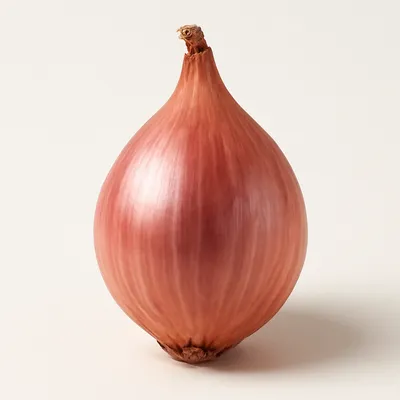


How it's made
6 steps · 30 min
- 110 min
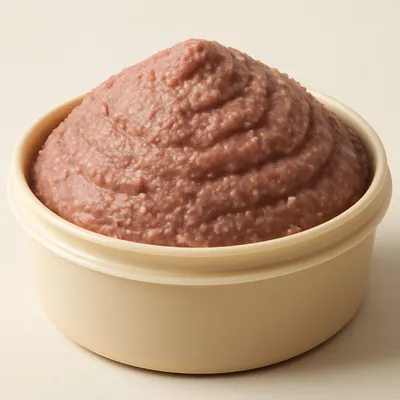
Pound the dried chilies, shallot, garlic, lemongrass, galangal and salt in a mortar into a coarse paste, then work in the shrimp paste (or crumbled tua nao fermented soybean) until smooth.
Watch outPound the aromatics until the cell walls rupture and release their oils — with no coconut to fry the paste in, this crushed depth is where the flavor comes from.
- 212 min
Bring a pot of water to a boil, stir in the curry paste until it dissolves, then add the chicken (or frog) and simmer until the meat is cooked through and the broth is savory.
- 36 min
Wash and pick over all the vegetables; cut the firmer ones (pea eggplant, ivy gourd, bamboo shoot) and keep the tender greens separate.
- 46 min
Add the firm vegetables and let them simmer until just tender, seasoning the broth with fish sauce to taste.
- 53 min
Drop in the acacia shoots (cha-om) and wild pepper leaf and simmer briefly so their raw pungency cooks off and turns nutty.
Watch outAdd the acacia shoots and pepper leaf and simmer briefly so their raw pungency cooks off and turns nutty — undercooked, they read harsh and green.
- 62 min
Stir in the sawtooth coriander and toothache-plant leaves last, cook for under a minute so they wilt but keep their bite, and serve hot with sticky rice.


