
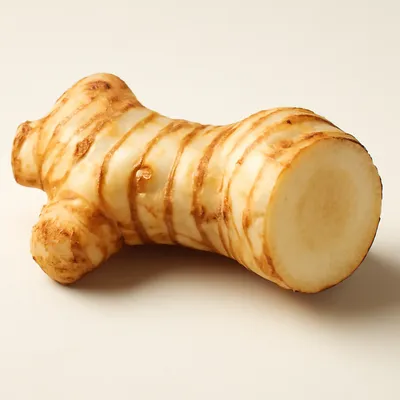
The Isaan table hotpot: a small earthenware pot of clear, herb-steeped broth set over a charcoal brazier, into which diners dip thin-sliced meat, offal, glass noodles and vegetables to cook in seconds. The broth is built on lemongrass, galangal, kaffir lime leaf and Thai basil, so it stays fragrant and clean rather than rich. Each bite is fished out and dunked in a fierce sour-chili jaew, and many cooks crack a raw egg over the meat platter to coat it before it goes in. It is slow, communal eating, cooked at the diners' own pace.




Jim jum is a northeastern Thai street-and-home hotpot whose name pairs the Thai words jim ('to dip') and jum ('to dunk briefly') — a plain description of how it is eaten. It grew up in Isaan as an everyday communal meal cooked over the same charcoal stoves used across the region, sharing a family with the related Lao-Isaan pot jaew hon. No origin date is recorded; it is a modern folk-dining format rather than a dish with a fixed history. The signature is the unglazed clay pot, which holds gentle, even charcoal heat and lets the broth simmer slowly through a long meal.
Steam off the little pot smells of bruised lemongrass and galangal before you taste anything. The broth is light and herbal, almost a tisane; the meat comes out just-set and tender, the egg coating giving it a silky edge. Then the jaew hits — lime-sour, chili-hot, funky with fish sauce and gritty with toasted rice. Glass noodles slither up the last of the broth, now sweet with everything cooked in it. Clean and bright at the top, deep and savoury by the end.
The clay pot is doing quiet thermal work: unglazed earthenware has a high heat capacity and conducts slowly, so it buffers the charcoal's fluctuations into a steady, gentle simmer that never boils the delicate broth hard. The aromatics are not eaten but smashed and simmered to leach their volatile oils — citral from lemongrass, the piney-citrus notes of galangal and kaffir lime — into the water, building fragrance without fat. Cooking happens by brief immersion, so thin slices set in seconds and stay tender; the raw-egg coat sets into a thin film that shields the meat and holds the jaew. As the meal goes on the broth concentrates, gathering glutamates from the meat and vegetables into a deeper stock.
Variations
Pork is the default, but seafood, chicken and mixed-offal pots are common, as are pots loaded with morning glory, cabbage, Chinese kale and straw mushrooms. The closely related jaew hon uses a richer, spicier broth thickened toward a stew. Restaurant versions hand you raw platters and a personal jaew; home versions simply keep the pot topped up. The constants are the unglazed clay pot, the charcoal, the herb broth and the dipping sauce.
On the Palate
Where Jim Jum sits in the Thai flavor cloud
Ingredients
Serves 4

How it's made
6 steps · 30 min
- 18 min
Smash lemongrass, slice galangal and tear kaffir lime leaves; bring to a simmer in a pot of water or light pork stock with a little salt and fish sauce.
- 23 min
Set the clay pot on a lit charcoal brazier and keep the broth at a gentle simmer.
Watch outKeep the broth at a bare, lazy simmer — just a few bubbles trembling up; a hard rolling boil turns the delicate meat tough and clouds the clear soup.
- 36 min
Arrange thin-sliced pork, glass noodles, leafy greens, cabbage and mushrooms on platters; crack a raw egg over the meat if liked.
- 43 min
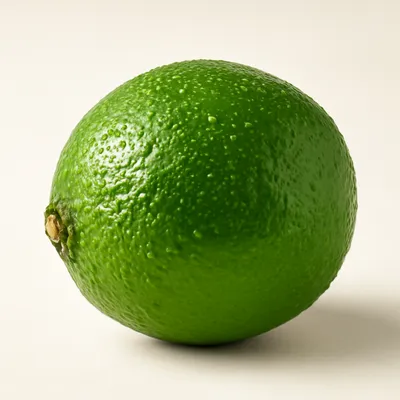
Pound the jaew: toasted rice powder, chili flakes, fish sauce, lime and a little sugar.
- 51 min
At the table, dip meat and vegetables into the simmering broth and cook briefly until just done.
Watch outDip the thin slices in only until they turn opaque — a few seconds; leave them longer and they seize up chewy.
- 61 min
Lift each piece out, dunk in the jaew, and eat; add glass noodles toward the end and drink the enriched broth.


