
An earthy Isaan and Lao bamboo-shoot soup built on the green juice of yanang leaves and thickened with a slurry of toasted glutinous rice. Boiled bamboo shoots simmer in a light pork or chicken broth darkened to forest-green by hand-rubbed yanang, with fermented fish for depth and a fistful of herbs at the end. Unlike the dry pounded bamboo salad it is often confused with, this is a true ladled soup — loose, herbaceous, and faintly bitter. It is rainy-season home cooking, eaten warm with sticky rice.



Gaeng nor mai belongs to the Lao-Isaan kitchen on both banks of the Mekong, where bamboo grows wild and the young shoots are a free, seasonal food through the rains. Its signature is bai yanang (Tiliacora triandra), a forest vine whose leaves are too fibrous to eat but whose hand-rubbed green water flavors and colors the broth — the same juice that defines the region's whole family of bamboo dishes. The Lao word gaeng (kaeng) here means a brothy soup-stew, which is what sets this dish apart from the drier pounded salad sometimes sold under a similar name. It is old folk food with no fixed date, born where cooks coaxed a cheap, faintly tricky wild vegetable into a vivid pot.
A loose, forest-green broth you drink by the spoonful, not a clinging dressing. The first taste is the yanang — earthy and grassy with a clean whisper of bitterness — then the fermented fish rises under it with a salty, funky depth, and the toasted-rice slurry gives the liquid a gentle body and a nutty backnote. The bamboo is tender with a faint crunch; herbs and chili lift the top. It tastes of wet-season vegetables and woodsmoke, mild-to-medium hot, and is built to soak into sticky rice between sips.
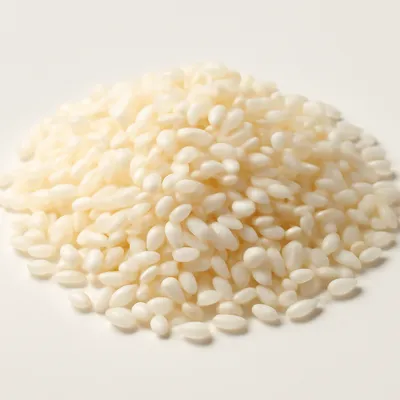
Two things carry the soup, both about turning bamboo into something safe and delicious. Raw shoots contain taxiphyllin, a cyanogenic glycoside that can release hydrogen cyanide; a thorough boil with the water discarded breaks it down and strips the harsh bitterness, which is why the shoots are always cooked first and never used raw. The yanang juice — squeezed by rubbing the leaves in water until it bleeds deep green — is the regional partner that seasons and colors the pot and, by the cuisine's own logic, helps temper the shoots; it lends an earthy, tannic backbone. The body comes from khao bua: glutinous rice toasted dark and ground, then stirred into the simmering broth, where its starch gelatinizes and thickens the liquid without flour while adding roasted aroma. Fermented fish supplies the glutamate umami that anchors the whole seasoning.
Variations
Cooks load it with rainy-season vegetables — oyster or straw mushrooms, cha-om, pumpkin, okra, angled gourd — and choose pork, chicken, or beef for the broth. Southern Lao-Isaan kitchens add more rice slurry for a thick, hearty pot; northern ones keep it brothier. The depth is tuned by the amount and kind of fermented fish. Its dry cousin, the pounded yanang-and-bamboo salad, leaves out the broth and the slurry. The non-negotiables are properly boiled shoots, yanang juice, and the toasted-rice thickening.
On the Palate
Where Gaeng Nor Mai sits in the Thai flavor cloud
Ingredients
Serves 4

How it's made
7 steps · 30 min active + 25 min waiting
- 115 min
Boil the sliced bamboo shoots thoroughly in plenty of water, then drain and discard the water to remove bitterness.
Watch outBoil the shoots hard and throw the water away — that bitter, harsh water is what you're getting rid of, so never reuse it.
- 26 min
Rub yanang leaves in water until it turns deep green, then strain out the fibers to make yanang juice.
- 37 min
Toast glutinous rice in a dry pan until deep amber, grind to a powder, and slacken with a little water into a slurry.
- 44 min
Bring a light pork or chicken broth to a simmer and add the yanang juice.
- 510 min
Add the boiled bamboo and fermented fish, then simmer until the shoots are tender and infused.
- 64 min
Stir in the toasted-rice slurry and cook briefly until the broth thickens slightly.
Watch outAdd the rice slurry off a hard boil and cook just until the broth barely thickens — overcook and it turns gluey.
- 73 min
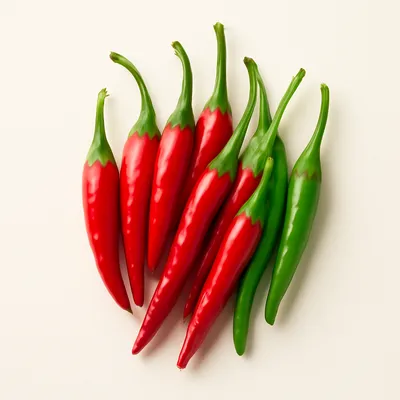
Drop in herbs and chili, taste for sour-salt-funk balance, and serve warm with sticky rice.


