Thai fruit salad of pomelo, apple, grape, and dragon fruit with dried shrimp and a chile-lime-fish-sauce dressing — bright, balanced, common as a starter.
Yum polamai (polamai = fruit) is a Bangkok-restaurant adaptation of the yum format, dating to the late-20th-century rise of fruit-forward Central Thai menus. The pomelo (som-o) is the traditional Thai fruit; apple, grape, and dragon fruit are modern additions reflecting both imported produce and a desire for colour on the plate. The dish appears as a starter at hotel restaurants and as a side at family meals; the structure is identical to a meat yum, with fruit replacing the protein.
Bangkok-restaurant adaptation of yum from the late 20th century. Sweetness calibration is the load-bearing detail — sugar triples versus a meat yum because fruit dilutes the dressing on contact and fish sauce reads aggressively fishy against fruit without it.
Cold and audibly juicy — pomelo segments burst, apple snaps, grapes pop. The dressing is the same lime-nam pla-chile triad as other yums, but the palm sugar is dialled up because fruit needs more sweet to bring fish sauce into balance. Toasted dried shrimp gives a savoury rasp that prevents the dish from sliding into dessert territory; chile heat builds slowly, masked by sweetness. If the dressing tastes harshly fishy, the sugar is short.
Sweetness calibration is the load-bearing detail. In a meat yum, the dressing's sugar level is roughly half a teaspoon for 3 tbsp lime; in yum polamai it triples, because fruit's own water dilutes the dressing on contact and because nam pla without enough sugar reads aggressively fishy against fruit. Pomelo must be membrane-stripped — the bitter pith ruins the balance. Toss only 3-4 times; more and the apple browns, the dragon fruit bleeds magenta, and the salad turns to mush within ten minutes.
Variations
Bangkok hotel version uses pomelo, apple, grape; Phetchaburi adds rose-apple (chom-phu) and longkong; Phuket spin includes pineapple and mango; the Buddhist-vegetarian (jay) version drops dried shrimp for toasted cashew.
On the Palate
Where Yum Polamai sits in the Thai flavor cloud
Ingredients
Serves 4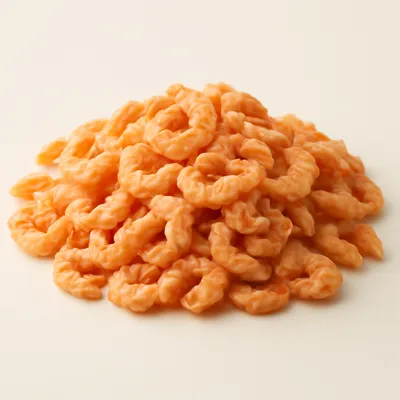





How it's made
4 steps · 18 min active + 2 min waiting
- 15 min
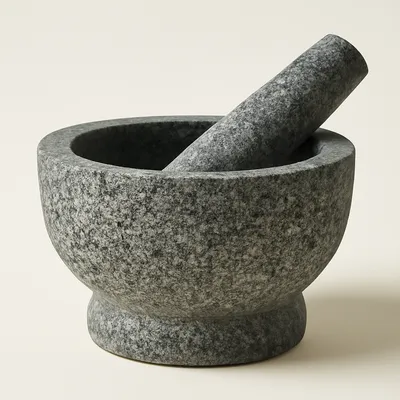
Toast 2 tbsp dried shrimp in a dry pan over low heat 2-3 minutes until fragrant and slightly crisp. Cool, then pound briefly in a mortar to coarse fluff (not powder).
Watch outToast the dried shrimp just until fragrant and lightly crisp, then pound to a loose fluff — grind it to powder and it muddies the salad instead of topping it.
- 28 min
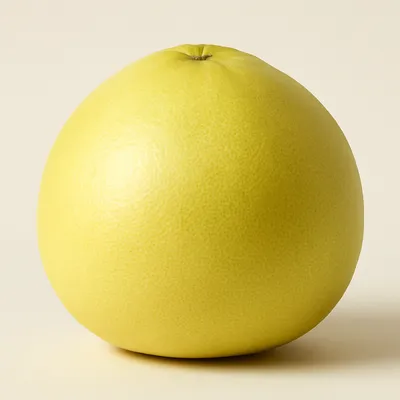
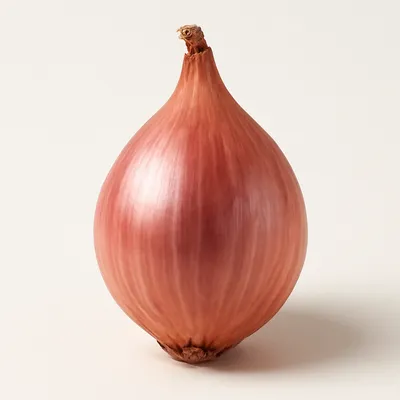
Segment 1 pomelo into clean wedges, free of membrane (about 2 cups). Dice 1 crisp green apple into 1.5cm cubes — leave the skin on for colour. Halve 12 grapes. Cut a quarter dragon fruit into 1.5cm cubes. Slice 1 shallot thinly.
- 33 min
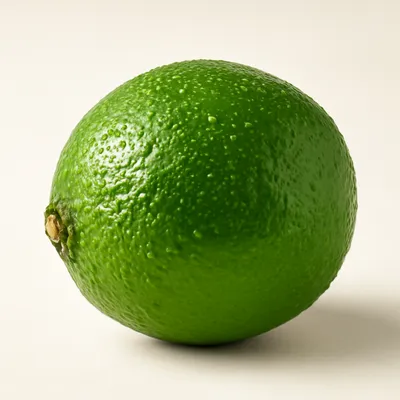
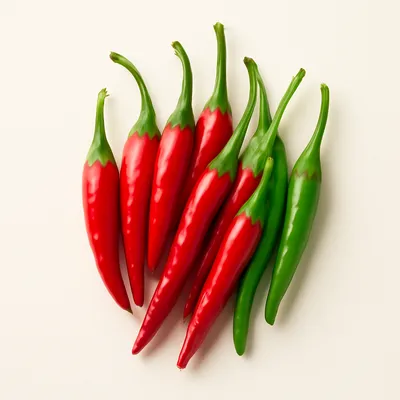
Mix dressing: 2.5 tbsp lime juice, 2 tbsp nam pla, 1.5 tbsp palm sugar dissolved in the lime juice, 3 prik kee noo bruised and sliced. Taste — fruit needs the dressing slightly more sweet-leaning than yum nua.
Watch outLean the dressing sweeter than a meat yum — the fruit's own juice waters it down on contact, and without enough sugar the fish sauce reads harshly fishy.
- 42 min
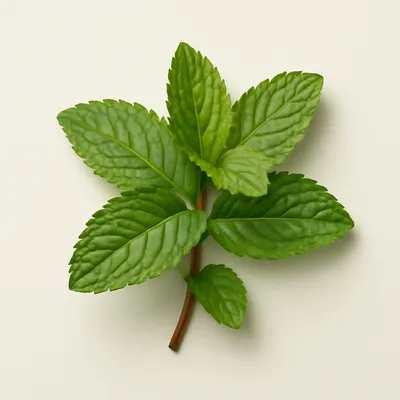
Combine fruit, shallot, and 2 tbsp roasted peanuts (lightly crushed) in a wide bowl. Pour dressing over, fold 3-4 turns — fruit bruises easily. Top with toasted dried shrimp fluff and a handful of mint or Thai basil. Serve immediately.
Watch outFold only three or four turns — any more and the apple browns, the dragon fruit bleeds magenta, and the whole bowl slumps within ten minutes.
Archive tool suggestions — not reviewed
These legacy suggestions have not been evidence-reviewed and are not presented as required tools.