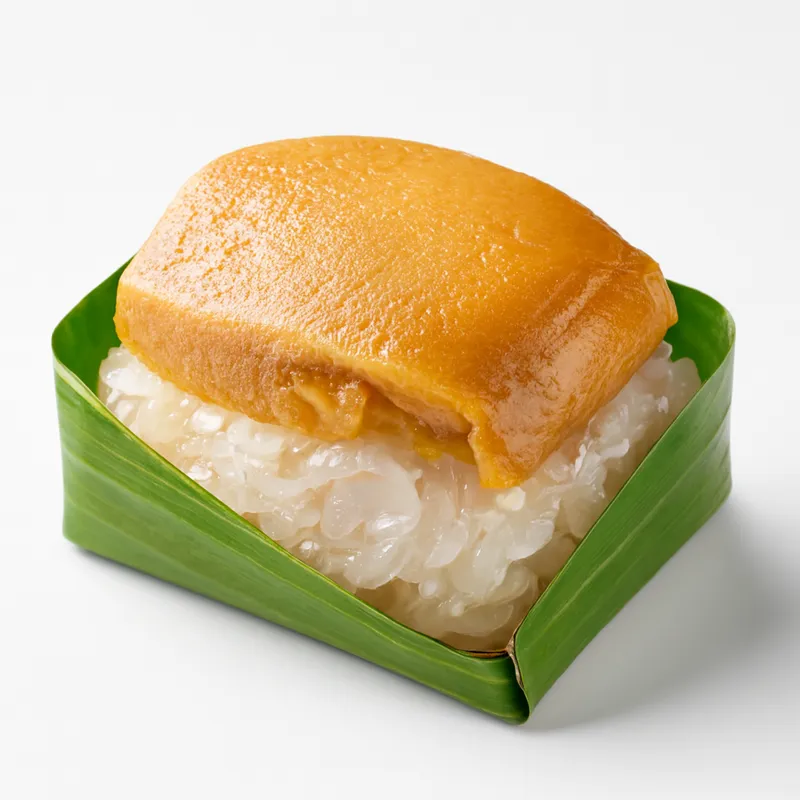
A Phuket platter of pork offal and tofu first braised in a dark five-spice master stock, then deep-fried crisp and chopped to order, piled up and served with a tart-sweet-spicy dip. Ears, belly, intestine, lung, tongue, and pressed tofu come tumbled together — crisp at the edges, chewy and soft within — and are eaten dipped in a tamarind sauce sharpened with chili and palm sugar. Sometimes deep-fried spring rolls and tao tod (fried tofu-skin rolls) join the plate. It is one of Phuket Town's most beloved Hokkien street snacks, sold by day at the old markets.


Loba is a Hokkien-Phuketian dish whose name comes straight from the Hokkien lor bak (滷肉), 「braised meat」 — the dark soy-and-five-spice master-stock braise that Fujianese migrants carried across Southeast Asia during the tin-mining era. In Penang and Singapore the related lobak refers chiefly to a five-spice pork roll in beancurd skin; Phuket's loba kept the five-spice braise but built the dish around an offal-and-tofu platter that is braised, then fried, and served with a tangy dip. It is firmly a daytime market food of Phuket Town's Sino-Portuguese quarter, where dedicated stalls have served it for generations as part of the island's Baba (Peranakan) eating.
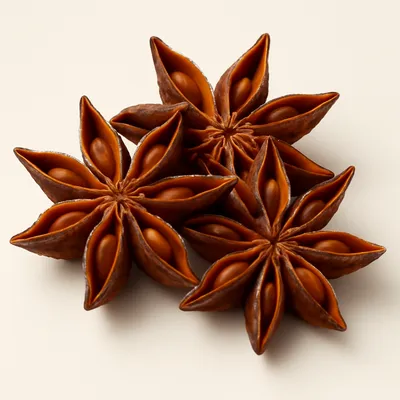
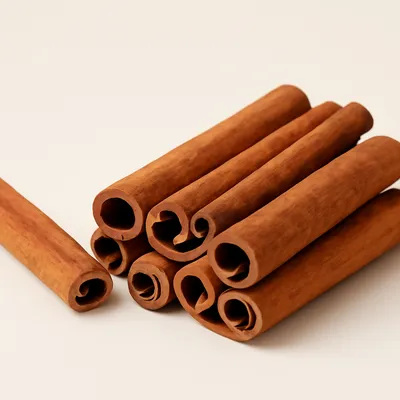
The appeal is textural variety on one plate. Each piece carries a crisp deep-fried surface that gives way to something different beneath — springy ear cartilage, chewy intestine, soft belly fat, tender tongue, the silky crumble of fried tofu. The five-spice braise has soaked in deep, warm and aromatic with star anise, cinnamon, and clove, balanced against the dip — tamarind-sour, palm-sugar-sweet, chili-hot — which cuts the richness of the fried offal and brightens every bite. Without that sharp dip, the plate would sit heavy.
Two cooking stages do two jobs. The long braise in a dark five-spice master stock seasons the offal through and gently tenderizes the tougher cuts as their collagen softens — the master stock, reused and replenished, deepens in flavor over time. Deep-frying afterward dehydrates and browns the braised surface by Maillard reaction, building a crisp shell over the soft interior and driving off surface moisture so the pieces are not soggy. The tamarind dip is functional: its acidity and chili are there to balance the fat and the sweetness of the braise, which is why no one eats loba without it. Frying the pieces dry-surfaced (well-drained after braising) is what keeps the crust crisp rather than greasy.
Variations
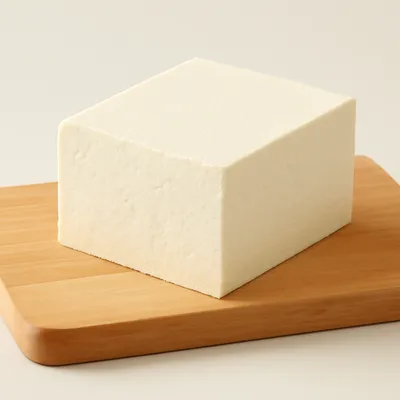
The platter is built to order from whatever offal the stall has — ears, belly, intestine, lung, tongue — alongside fried bean curd and pressed tofu; fried spring rolls and tofu-skin rolls (tao tod) often share the plate. Some stalls keep the braise darker and sweeter, others spicier in the dip. The Penang and Singapore lobak is the close relative built around a beancurd-skin five-spice meat roll rather than a mixed offal platter; the shared root is the Hokkien lor bak braise.
On the Palate
Where Loba sits in the Thai flavor cloud
Ingredients
Serves 4

How it's made
8 steps · 40 min
- 18 min
Build a master stock with dark soy, water, star anise, cinnamon, clove, garlic, and palm sugar; bring to a simmer.
- 275 min
Add cleaned pork offal and belly and braise gently until tender and well-flavored.
Watch outBraise low and slow until a chopstick slides through the offal — a hard boil just toughens it and never softens the collagen.
- 310 min
Add pressed tofu near the end to take on the braise; then lift everything out and drain well.
- 412 min
Make the dip: simmer tamarind paste with palm sugar, fish sauce, and chili until lightly syrupy.
- 55 min
Heat oil for deep-frying until hot.
- 68 min
Fry the braised offal and tofu in batches until the surfaces are crisp and golden; drain.
Watch outFry only until the braised surface blisters crisp and golden; you're crusting cooked meat, not cooking it through.
- 74 min
Chop into bite-size pieces and pile onto a plate.
- 81 min
Serve at once with the tamarind dip on the side.