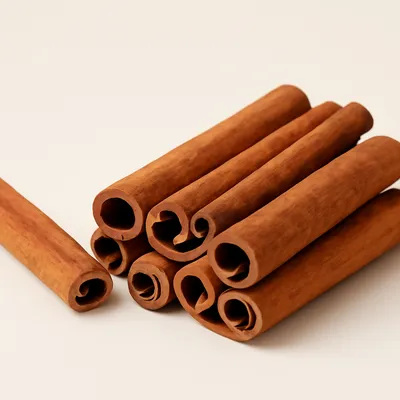
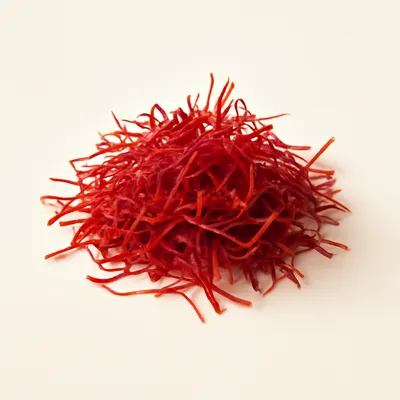
A close cousin of plain gheimeh: cubed lamb and yellow split peas simmered in a tomato-paste sauce soured with dried lime, then crowned with fried eggplant and tomato slices. The eggplant goes in only at the end so it stays whole and silky rather than dissolving. Eaten over saffron rice, it is one of Tehran's most-cooked weeknight and guest stews. Turmeric, cinnamon and saffron carry the aroma beneath the tang.

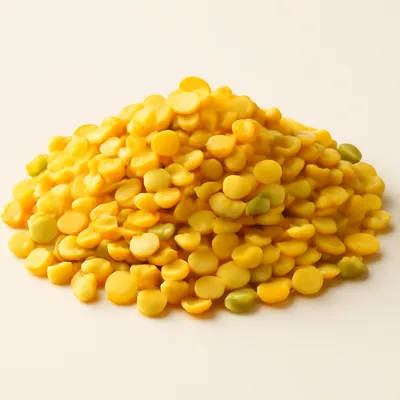


A documented variant of gheimeh, the central-Iranian split-pea-and-lamb stew long tied to nazri (votive food given away during Muharram). Adding fried eggplant turns the everyday stew into a more festive dish; the eggplant version appears across modern Iranian cookbooks and is grouped under the broader khoresh-e bademjan family. Tomato (and tomato paste) entered Persian stews only after the fruit reached Iran in the 19th century, so the red-sauced modern form is comparatively recent; older split-pea stews leaned on dried lime and saffron alone.
A rust-red stew, glossy with tomato and oil. Beneath the surface: small lamb cubes and yellow split peas cooked to just-tender. On top, a layer of fried eggplant gone soft and almost creamy, with browned tomato wedges between. The dried lime drives the flavor — sour with a faint bitter edge that cuts the richness of the eggplant. Spooned over saffron rice, mounded high.
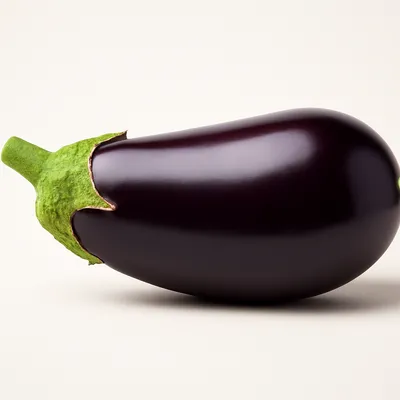
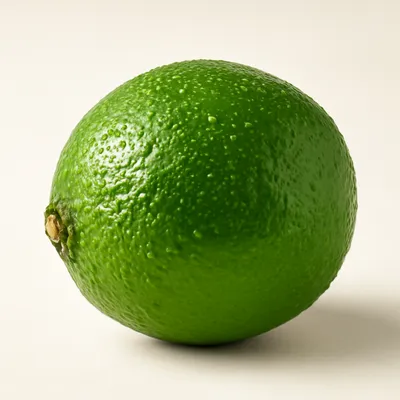
The eggplant is salted to sweat out bitterness, then fried until golden and added only in the final stretch so it holds its shape instead of melting into the gravy. The split peas go in late as well — about the last forty minutes — or they collapse to mush. Dried limes (limoo amani) are pierced two or three times with a fork before going in whole: unpierced they float without releasing sourness, crushed they turn the pot bitter from the seeds.
Variations
Some cooks fry the eggplant whole and split lengthwise, others slice it into rounds. A tomato-forward Tehran style uses both paste and fresh tomato; a leaner version skips fresh tomato entirely. Beef stands in for lamb in many households. The closely related plain gheimeh omits the eggplant; gheimeh nesar (the Qazvin wedding version) layers the stew over saffron rice with nuts and barberries instead.
On the Palate
Where Khoresh-e Gheimeh Bademjan sits in the Persian flavor cloud
Ingredients
Serves 4
How it's made
8 steps · 30 min
- 135 min
Salt sliced or split eggplant and let it sweat for 30 minutes, then pat dry and fry in oil until golden; set aside
Watch outFry the eggplant until deep golden and just tender, not pale — undercooked here and it will collapse to mush in the pot instead of holding its shape.
- 28 min
Soften sliced onion in oil, add cubed lamb and brown on all sides
- 34 min
Stir in turmeric and cinnamon, then tomato paste, and fry the paste briefly to deepen its color
- 460 min
Add hot water to cover, bring to a simmer, cover and braise the lamb until tender
- 540 min
Add rinsed yellow split peas and the pierced dried limes; simmer 40 minutes more
Watch outAdd the dried limes whole but pierced two or three times; if they still bob on the surface they're not releasing sourness, but never crush them or the seeds turn the pot bitter.
- 63 min
Stir in bloomed saffron and season with salt; the sauce should be a loose gravy
- 712 min
Lay the fried eggplant and browned tomato slices over the top and simmer gently 10 minutes without stirring
Watch outOnce the fried eggplant goes on top, stop stirring — a gentle simmer keeps the slices whole; a stir breaks them down into the gravy.
- 82 min
Serve mounded over saffron basmati rice
Archive tool suggestions — not reviewed
These legacy suggestions have not been evidence-reviewed and are not presented as required tools.