A resourceful Odia home curry in which a fried fish head and its bones are broken up and simmered with mixed vegetables — potato, tomato, eggplant, and sometimes spinach — until the whole softens into a thick, savory mass. Its Odia name means 'broken down,' describing the fish head that gives the dish its body.

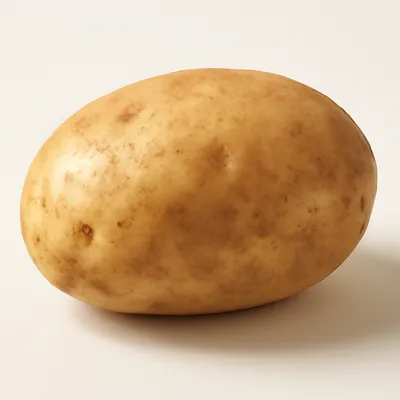
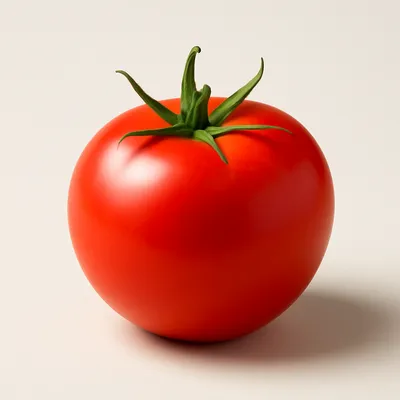
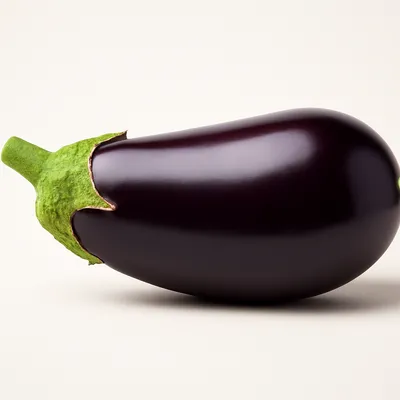


Chhencheda (also chenchada, macha munda ghanta) is a home curry of Odisha, made to use the fish head and bones that would otherwise be discarded — a reflection of the eastern Indian coast's resourceful fish-eating tradition, in which every part of the fish finds a use. The name, in Odia, refers to the breaking-down of the fried fish head and bones before they are simmered with vegetables; it belongs to the wider family of Odia ghanta (mixed) dishes, in which many ingredients are cooked together into a single thick curry. The fish head, fried first to set its structure and develop flavor, is then cracked and broken so its bones release collagen and marrow into the gravy as it simmers, thickening it without any added starch; potato, tomato, eggplant, and sometimes leafy greens are folded in and cooked until they, too, partially break down. It is everyday Odia home cooking, eaten with rice, and it is the inland-coastal kitchen's thriftiest and most flavorful way to use the whole fish.
A thick, rustic, savory mass of soft vegetables and broken fish, with a deep, marrow-rich gravy and the faint char of the fried head.
The dish's body comes from two sources that no added starch could replicate. First, the fried fish head and bones, cracked and simmered, release collagen that gelatinizes at around 70–80°C into the surrounding liquid, giving the gravy a glossy, slightly sticky body — the same thickening that makes a bone-stock set when cold. Second, the mixed vegetables, cooked long past crispness, release their own starches and pectins as their cell walls rupture, so the potato breaks down to thicken, the tomato dissolves into sweet acid, and the eggplant softens to a near-paste. The initial frying of the fish head develops Maillard browning on its skin and surface proteins, giving the curry its roasted, slightly charred baseline flavor; this is why the head is fried before it is broken, not after. The dish improves on standing as the gelatin and vegetable starches continue to meld.
Variations
Spinach or amaranth leaves are often added; some versions include small fried fish alongside the head, and the dish is sometimes finished with ambula (dried mango) for tang.
On the Palate
Where Chhencheda sits in the Indian flavor cloud
Ingredients
Serves 4

How it's made
6 steps · 20 min
- 18 min
Fry the fish head and any attached bones in mustard oil until deeply browned, then drain.
Watch outFry the fish head deep-brown in mustard oil — this browning is where the gravy's depth comes from; a pale head leaves the dish flat and fishy.
- 24 min
Break the fried head into pieces, bones and all.
- 35 min
Temper panch phutana, bay leaf, and chopped onion in the same oil.
- 46 min
Add ginger-garlic, tomato, turmeric, and chili, then the cubed vegetables.
- 515 min
Return the broken fish head to the pan, add water, and simmer covered until the vegetables are soft and the gravy has thickened.
Watch outSimmer covered until the vegetables collapse and the gravy thickens — the released collagen and broken-down potato are the only body this dish gets.
- 64 min
Mash some of the vegetables against the pan to thicken further, adjust salt, and serve hot with rice.


